
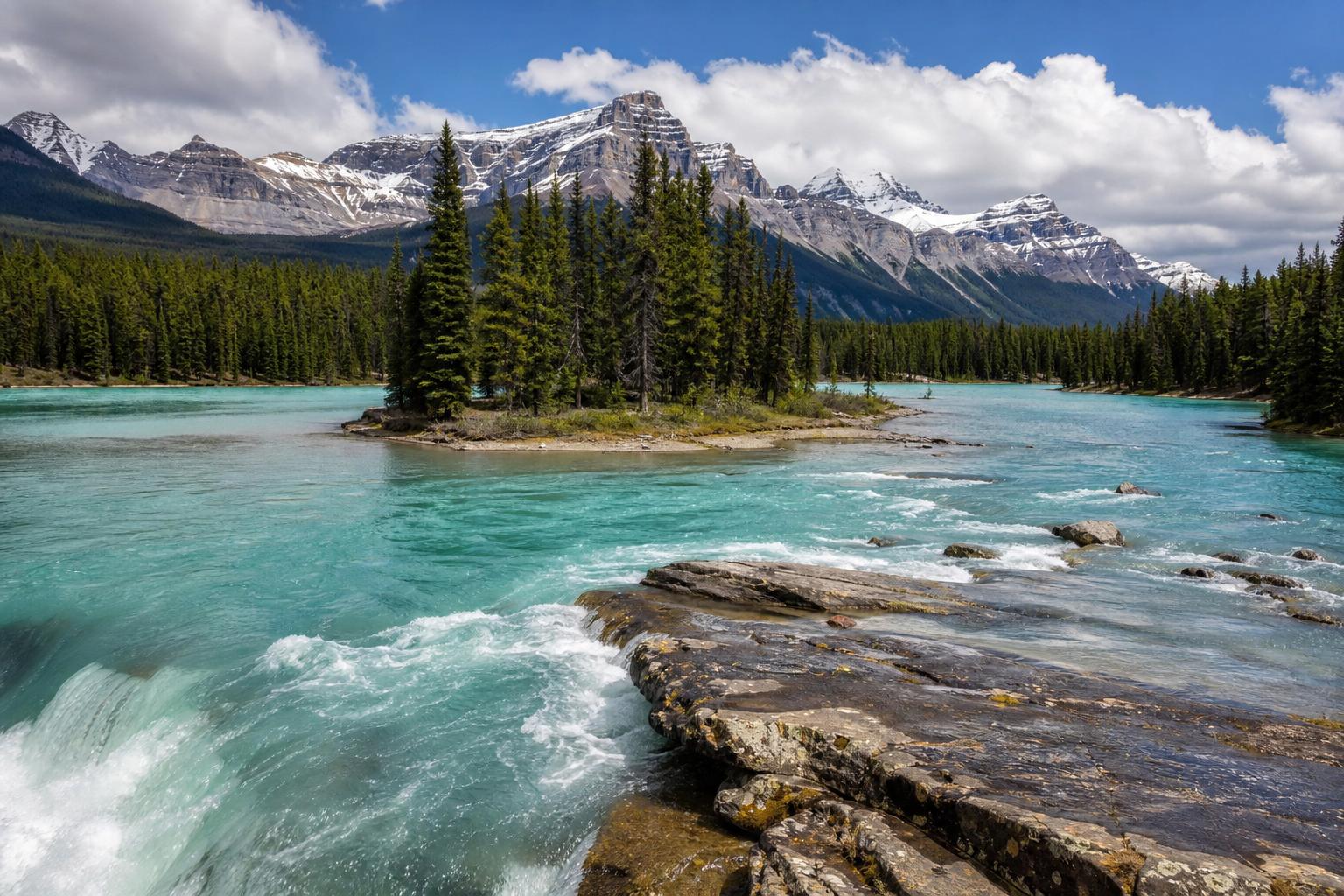





Jasper National Park: A Complete, No-Nonsense Guide to Canada’s Wild Heart
If you’ve been dreaming about glacier-fed lakes, broad valleys laced with wildlife, and night skies so dark you can see the Milky Way with your bare eyes, put Jasper National Park at the top of your list. Canada’s largest national park in the Rockies is more than a scenic detour—it’s a living classroom, a four-season playground, and a surprisingly practical destination once you know a few insider moves. This guide goes deep: when to go, how to get there, where to stay, the best hikes, winter and summer tips, safety, costs, and real-life logistics that actually matter on the ground—made for a Canadian audience, but helpful for anyone keen on doing Jasper right.
Why Jasper National Park Stands Apart
The Canadian Rockies have no shortage of big-name parks. Banff grabs headlines, but Jasper National Park delivers space and solitude on a different scale. Its valleys sprawl wider, its drives feel emptier, and its trail network invites you to stay a little longer. The park forms part of the UNESCO-listed Canadian Rocky Mountain Parks, a protected mosaic also covering Banff, Yoho, and Kootenay. But Jasper’s personality is its own: rugged, a touch quieter, and tuned to travellers who like their panoramas with fewer crowds and more wildlife sightings.
Jasper townsite sits within the park boundaries—a compact, walkable base with mountain views in every direction. You’ll spot elk grazing on the outskirts, and ravens critiquing your packing job from the nearest spruce. It’s not polished to a gleam, and that’s the point. Out here, the rhythm is set by weather, road conditions, and nature’s seasonal agenda. Learning to work with those realities is key to a great trip.
Orientation: The Lay of the Land
Jasper National Park anchors the northern half of the Alberta Rockies, straddling highways 16 (the Yellowhead) and 93 (the Icefields Parkway). The eastern boundary brushes up against Hinton and the foothills; the western edge connects with British Columbia’s Mount Robson Provincial Park. Lake clusters near Jasper town—like Annette, Edith, Patricia, and Pyramid—offer quick escapes. The Maligne Valley carves east to Maligne Canyon, Medicine Lake, and famous Maligne Lake. South along the Icefields Parkway, waterfalls and glaciers lead to the Columbia Icefield and, farther on, the Banff National Park boundary.
Roads do a lot of the heavy lifting in Jasper. Many viewpoints are roadside or involve short walks. But the park’s character emerges fully when you trade pavement for trail: quiet basins in the Tonquin Valley, vast views from the Skyline Trail, and flower-strewn slopes under Mount Edith Cavell. Plan for both—scenic drives and real time on your feet.
Getting to Jasper: Road, Rail, and Reality Checks
From Alberta’s Cities
Edmonton makes the simplest launchpad. It’s a straightforward drive on Highway 16—mostly divided highway, generally well maintained. Barring construction or wildlife slowdowns, you’ll make it in around four hours. Calgary is a different story: you can head to Lake Louise on the Trans-Canada, then turn north up the Icefields Parkway (Highway 93). That route is spectacular but slower, with frequent photo stops and variable mountain weather. Build in extra time.
Via Rail and Sightseeing Trains
VIA Rail’s Canadian line serves Jasper, linking it with Edmonton, Winnipeg, and Vancouver. Trains are comfortable, scenic, and famously late in winter or during freight congestion. It’s part of the charm, or a planning headache—your call. The Rocky Mountaineer is another option between Vancouver and Jasper or Lake Louise/Banff, though it’s a luxury sightseeing train running on set seasonal schedules.
Driving Conditions and Winter Tires
Mountain driving is serious business, even on a bluebird day. Expect wildlife on the shoulders at dawn and dusk, black ice in shoulder seasons, and sudden snow—yes, in September or May. Alberta doesn’t mandate winter tires by law, but in the Rockies they’re common sense from late fall through early spring. If you’re continuing into B.C. over the Yellowhead Pass or further west, be aware that B.C. requires winter-rated tires on most highways from October 1 to April 30.
Check road conditions with 511 Alberta and Parks Canada’s bulletins before any big push, especially along the Icefields Parkway where services are sparse and weather shifts fast. Carry a warm layer, a headlamp, extra snacks, and more water than you think you need. Cell coverage disappears on long stretches—download offline maps ahead of time.
When to Visit: Seasons, Tradeoffs, and Sweet Spots
There’s no wrong month to visit Jasper, but there are different versions of the park. Choose based on daylight, snowpack, wildlife patterns, and your tolerance for crowds and cold. Here’s a quick, practical way to think about timing.
| Season | What You Get | What to Watch | Good For |
|---|---|---|---|
| Late Spring (May–June) | Rushing waterfalls, fresh green valleys, shoulder-season prices | Snow lingering on higher trails; elk calving means extra caution | Scenic drives, easier hikes, wildlife viewing |
| Peak Summer (July–Aug) | Access to alpine trails, warm lakeshores, long daylight | Busy parking lots; book campsites and lodging well ahead | Backpacking, paddling, family trips |
| Early Fall (Sept) | Crisp air, larch colours at higher elevations, elk rut | Frosty mornings; snow possible in the alpine | Hiking, photography, fewer crowds than August |
| Late Fall (Oct–Nov) | Quiet trails, Dark Sky Festival in October | Short days; many services scale back; ice on trails | Stargazing, shoulder-season solitude |
| Winter (Dec–March) | Reliable snow, Northern Lights potential, budget-friendly stays | Very cold snaps; road closures in storms; avalanche risk off-piste | Skiing at Marmot Basin, snowshoeing, Maligne Canyon icewalk |
For hikers eyeing the Skyline Trail or Tonquin Valley, the window typically opens mid-to-late July through September, depending on snowpack. For stargazers and photographers, October hits a sweet spot: long nights, the Jasper Dark Sky Festival, and usually decent road access—though bring studs or microspikes for icy paths.
Park Passes, Fees, and What to Book Early
Parks Canada Admission: Day Pass or Discovery Pass?
You need a valid Parks Canada pass to be in the park—whether you’re just driving through, staying in town, or setting off on a week-long trek. The choice is simple: pay daily admission or get an annual Discovery Pass. If you’re visiting for a week or plan to hit multiple national parks over 12 months, the Discovery Pass usually pays for itself. Youth under 18 are free. Prices change periodically; check Parks Canada’s website for current rates and family/group options.
Frontcountry Camping in Jasper
Jasper National Park runs several major campgrounds near the townsite and along Highway 16 and the Icefields Parkway. Whistlers (the largest) offers services, showers, and a variety of site types. Wapiti and Wabasso sit along the Athabasca River, with a mix of powered and unserviced loops. Pocahontas is smaller and east of town; it feels quieter and cooler at night. Wapiti often has winter camping, which is great for cross-country skiing and early morning wildlife drives, but double-check opening dates as they change each year.
Reservations open in winter for the following main season. The exact day for Jasper varies each year; Parks Canada announces dates well in advance. If you want a powered site in July or August, log in the minute the system opens. If you strike out, set availability alerts or check again closer to your dates—plans change and cancellations happen.
Fire permits are separate. If you want a campfire, you’ll buy a nightly fire permit at check-in (wood is generally included at communal woodpiles). Keep fires small, supervised, and dead-out before bed. Respect any fire bans—wildfire risk is real, and enforcement is strict.
Backcountry Permits and Quotas
Multi-day trips like the Skyline, Tonquin, Brazeau Loop, and Fryatt Valley require reservations and designated campsites. Sites are limited; booking opens in winter and the most coveted itineraries go fast. Pick your trail first, then reverse-engineer your route based on what sites you can snag. Flexibility is your friend: being open to different start dates, longer or shorter days, or a counter-clockwise loop can save your trip.
Fishing in national parks requires a Parks Canada fishing permit (separate from Alberta provincial licences). Seasons and bait restrictions vary. Don’t assume provincial rules apply within the park—they don’t.
Where to Stay: Hotels, Cabins, Hostels, and Camping
Jasper townsite offers a spread of hotels, motels, and cabin-style accommodations. Prices jump in summer; in winter, deals appear like frost patterns on a cabin window. If you’re picky about amenities or travelling with a group, book early and be ready to commit. Cabin resorts around Pyramid and Patricia lakes give you morning tranquillity with quick access to skating or paddleboarding, depending on the season.
Budget travellers and hikers often combine frontcountry campgrounds with a backcountry trip. There are also hostels and wilderness hostels along Highway 93 and 16—rustic, social, and a crash course in international mountain culture. If you’re rolling in an RV, stick to parks’ campgrounds or authorized private options; roadside camping or sleeping in day-use lots is not allowed and carries fines.
Getting Around: Driving, Shuttles, and Parking Intelligence
Within town, you can walk or bike to most services and nearby lakes. Beyond that, you’ll usually want a car. Public transit is minimal and seasonal at best. Taxis are available in town, and local outfitters occasionally run shuttles to popular trailheads, but schedules are limited. If your itinerary hinges on a point-to-point trail like the Skyline, arrange a second vehicle or ask outfitters about hiker shuttles for drop-offs and pickups.
Parking fills early at hot spots like Maligne Lake, Maligne Canyon, and the SkyTram on summer weekends. Aim for a pre-9 a.m. arrival or go late in the day. Treat midday for what it is—a chance to explore less crowded corners, linger at quiet beaches, or pull out a map and plan a sunset raid on a viewpoint.
Top Things to Do in Jasper National Park
Explore the Maligne Valley
Maligne Canyon stuns in any season. In summer, a series of bridges crosses a limestone chasm carved by water that still booms below. In winter, guided icewalks take you down into the frozen riverbed to see blue curtains of ice and hidden chambers. You can self-tour in good conditions with traction aids and caution, but guided trips are safer and often more informative.
Medicine Lake plays tricks. In summer it looks like an ordinary mountain lake; in fall, it can drain dramatically through underground karst systems, revealing stumps and strange shoreline textures. If you’re into geology or photography, it’s a fascinating stop.
Maligne Lake is the postcard. Turquoise water, high peaks, and the iconic Spirit Island make it deservedly famous. Boat tours operate seasonally to Spirit Island; advance bookings are wise in July and August. Paddlers can rent canoes or kayaks on-site, or bring their own and set out for a day. Stockli and Fisherman’s Bay campgrounds along the lakeshore are coveted backcountry sites reachable by paddle—calm mornings are your friend, and strong afternoon winds are not to be underestimated. Bear safety rules apply even on the water: food storage is required, even if you’re sleeping in a tent on a narrow peninsula with great views.
Drive (and Stop) Along the Icefields Parkway
The Icefields Parkway between Jasper and Lake Louise is consistently ranked among the world’s most scenic drives—and rightly so. It’s also a working mountain highway with limited services and long distances between gas stations. Top stops on the Jasper side include:
- Athabasca Falls: Ferocious water, easy viewpoints, and safe, fenced areas. Stay behind barriers; the current is no joke.
- Sunwapta Falls and Canyon: Another classic, with options to hike downstream into quieter sections.
- Goats and Glaciers: A viewpoint with sweeping valley views and (sometimes) mountain goats—though wildlife is never guaranteed.
- Tangle Creek Falls: Roadside in winter, it turns into a playground for ice climbers; in summer, a pleasant cascade to stretch your legs.
- Columbia Icefield: The Discovery Centre offers interpretive exhibits and views of Athabasca Glacier. Guided glacier walks and the glass-floored Skywalk are available through commercial operators. Do not attempt to walk on the glacier without a guided tour—crevasses are hidden, unstable, and deadly.
- Wilcox Pass: A half-day hike with big payoffs early on—glacier and valley views with a relatively modest effort. Snow lingers into summer; bring layers and traction if in doubt.
Driving north to south, consider starting very early to beat the tour-bus wave and watch the light rake across peaks. Or flip it: leave Jasper mid-afternoon, spend your golden hours around the Icefield, and roll into Banff National Park after sunset. Either way, bring a full tank and enough snacks to fend off “just one more stop” syndrome.
Mount Edith Cavell and Cavell Meadows
Mount Edith Cavell rises like a cathedral wall over the Astoria River valley. A short walk leads to views of the Angel Glacier and a turquoise lake below. The Cavell Meadows trail climbs to flower fields and giant views—among the best day hikes in Jasper when conditions co-operate. The access road typically opens seasonally; check current dates. Large vehicles are restricted, and parking is limited. Arrive early or go later in the afternoon when the day’s first rush has subsided.
Stay on trail. The alpine meadows here are fragile, and erosion heals slowly at high elevations. Heed all signs about unstable ice and rockfall near the glacier terminus.
Jasper Townsite Lakes and Short Hikes
Looking for quick wins close to town? You’re spoiled for choice:
- Old Fort Point: A steep-but-quick trail to a panoramic bluff over the Athabasca River and Jasper townsite. Great for sunrise or a quick leg-stretcher after a long drive.
- Valley of the Five Lakes: A loop through a chain of green-blue lakes, with benches and beaver architecture to admire along the way.
- Lake Annette and Lake Edith: Clear, often warmer water by Rockies standards, with beaches and picnic areas. Perfect for families and a late-day swim on hot August afternoons.
- Pyramid and Patricia Lakes: Close to town with canoe rentals, evening light, and in winter, skating and fat biking when conditions allow.
Miette Hot Springs
Miette Hot Springs sit at the end of a scenic road up a side valley east of Jasper. Opening is seasonal and depends on road and facility conditions; closures do occur. Check Parks Canada and the operator’s site before you commit a half day. On a chilly morning, there’s nothing better than sinking into steaming water with peaks pressing in.
Jasper SkyTram and Whistlers Summit
The Jasper SkyTram lifts you above treeline in minutes. From the upper station, a short but steep trail climbs to the summit ridge of Whistlers Mountain. The reward: a full 360 of peaks and valleys, with weather that changes by the minute. It’s often colder and windier up top—bring layers even in July. Sunrise and sunset rides are particularly beautiful when offered in shoulder seasons.
Day Trip West to Mount Robson
One hour west across the B.C. border sits Mount Robson Provincial Park and the towering peak itself—the highest in the Canadian Rockies. The Kinney Lake trail is a gentle, family-friendly outing to blue water and glacier views. Note the time change: cross the border, and you’re on Pacific Time for the day.
The Best Hikes in Jasper National Park
Quick and Rewarding
- Old Fort Point (short loop): Punchy uphill to one of the best fast views in the park.
- Valley of the Five Lakes (moderate loop): Gentle ups and downs past jewel-toned lakes; benches beckon.
- Maligne Canyon (various): Choose your own distance; upper bridges are busiest, lower sections are quieter.
- Wilcox Pass (moderate): Technically near the Icefield, but accessible from Jasper. Big views, frequent wind.
Full-Day Efforts
- Cavell Meadows: Alpine meadows, glacier views, and—if your legs are keen—loop options. Snow can linger; check conditions.
- Fryatt Valley to Headwall: A longer haul with classic valley scenery; the headwall is a dramatic turnaround point or gateway to backcountry sites if you have permits.
- Bald Hills (Maligne Lake): Switchbacks to a ridge system with sweeping views over Maligne Lake. Great at sunset with a headlamp descent.
Backpacking Classics
Skyline Trail: At roughly 40–48 km depending on start/finish points, Skyline is Jasper’s marquee route. Much of it runs above treeline, so weather dictates everything. Most hikers take 2–3 nights, camping at designated sites like Snowbowl, Tekarra, and Curator. Water is generally available at camp areas, but always treat. Book well ahead, arrange a shuttle or car swap, and be flexible with direction—Maligne to Signal or vice versa both work. Best window: late July to early September.
Tonquin Valley: Wild, moody, and unforgettable. The Amethyst Lakes backdropped by the Ramparts spires feel otherworldly at dawn. Expect wet sections, mud, and mosquitoes in early season; the payoff comes at golden hour on a still evening. Campsites are limited; backcountry lodges in the area operate under strict environmental rules and often offer horse-supported experiences. Caribou conservation measures shape access in winter and spring—respect all closures.
Brazeau Loop: A longer circuit through broad valleys, glacier views, and remote basins. You’ll meet fewer people and more solitude. It’s a commitment; be avalanche-aware on early or late-season snow and plan for river crossings at typical summer levels.
On any multi-day trip in Jasper National Park, hang food and scented items properly where lockers aren’t present, keep a clean camp, and carry bear spray. Leave no trace means exactly that—pack out everything, right down to micro-trash and food scraps.
Wildlife: Etiquette, Safety, and the Law
Jasper is a living habitat, not a drive-through zoo. Elk, bighorn sheep, mountain goats, black bears, grizzlies, wolves, and occasionally woodland caribou occupy these valleys. Smart viewing keeps everyone safe and the animals wild.
- Maintain at least 30 metres from deer, elk, and other herbivores; 100 metres from bears, wolves, cougars. Double those distances if an animal changes its behaviour because of you.
- Elk can be aggressive during the rut (September) and when protecting calves (May–June). Give them a wide berth—people get charged every year.
- Never feed or bait wildlife. It’s illegal under the Canada National Parks Act and can result in substantial fines. More importantly, it habituates animals, often leading to their destruction.
- Dogs must be on leash in national parks, including in most campgrounds and on many trails. Some sensitive areas prohibit dogs entirely to protect wildlife; obey posted signs.
- Caribou conservation is serious here. Seasonal closures and group-size limits reduce pressure on endangered herds. Check Parks Canada advisories before heading into the Tonquin, Brazeau, or Maligne areas in winter and spring.
If you encounter a bear on trail, stop, stay calm, group up, speak calmly, and back away slowly if the bear hasn’t noticed you. If it has, hold your ground, make yourself look big, and be ready with bear spray. Know how to deploy it before you need it—10 seconds of practice at home can make a difference.
Winter in Jasper: Cold, Clear, and Surprisingly Friendly
Winter flips the script. Crowds thin, prices often soften, and the landscape sculpts itself into something spare and luminous.
- Downhill Skiing: Marmot Basin offers varied terrain, reliable mid-winter snow, and a relaxed vibe. The drive from town is short, but carry winter kit—roads can glaze over unexpectedly.
- Cross-Country Skiing: Trackset loops appear around town and Pyramid Bench when snow allows. Rentals and trail reports are available locally.
- Snowshoeing and Fat Biking: Pyramid Lake and the valley trails deliver wintry forests and quiet afternoons. Stick to signed routes to avoid wildlife closures.
- Maligne Canyon Icewalk: Guided tours kit you out with helmets and traction, then lead you through frozen curtains and blue chambers. A highlight of any January visit.
- Skating: Natural ice forms on lakes like Mildred and Pyramid when conditions co-operate. Ice thickness fluctuates—check local advisories and never assume safety.
Avalanche risk exists in and near mountainous terrain. If you venture beyond groomed areas or up avalanche paths, check the Avalanche Canada forecast, carry proper gear (transceiver, shovel, probe), and get training. No photo is worth a slide.
Dark Skies, Northern Lights, and Night Photography
Jasper National Park is a designated Dark Sky Preserve, one of the largest accessible preserves on the planet. Translation: minimal artificial light, which means proper stargazing. On moonless nights, the Milky Way arches over Pyramid Lake like a luminous bridge, and familiar constellations feel newly crisp.
Aurora borealis sightings happen year-round but are more common in winter and shoulder seasons when nights are long and skies are clear. Watch space weather forecasts, then aim for dark-sky standbys: Pyramid Island, Athabasca River pullouts near town, or the shores of Patricia Lake. Bring a tripod, dress warmer than you think necessary, and use a red-light headlamp to preserve night vision.
Drones are prohibited in Canada’s national parks unless you have a specific research or commercial permit authorized by Parks Canada. Don’t risk it—fines are steep, and you’ll ruin the evening for everyone else.
Practicalities: Food, Fuel, and Supplies
Groceries and fuel are available in Jasper town, but expect smaller selection and higher prices than in Edmonton, Hinton, or Calgary. Stock up on specialty items before you hit the park if you’re on a tight budget or a strict diet. Many restaurants shift to shorter hours in shoulder seasons; plan meals accordingly, especially after late hikes.
Tap water in town and at serviced campgrounds is potable. Backcountry water needs treatment—filters, chemical drops, or boiling. Alpine streams may look pristine; they’re not guaranteed safe.
Cell service is solid in town and patchy-to-nonexistent elsewhere. Tell someone your plan and a realistic return time if you’re heading out. Paper maps aren’t retro; they’re a backup when batteries fade at -20°C.
Accessibility: Getting More People Outside, Comfortably
Jasper’s accessible options improve year by year. Lake Annette has paved paths and accessible picnic sites. Some day-use areas around Pyramid and Patricia lakes provide firm, level surfaces usable with mobility aids. Whistlers Campground includes accessible sites and facilities following its recent modernization. The Jasper SkyTram cabins fit mobility devices, with assistance available. In winter, cleared lakeside loops are variable—call ahead or check local reports.
If you or someone in your group has specific needs, contact Parks Canada visitor centres before arrival. Staff have current information on accessible washrooms, boardwalk conditions at Maligne Canyon, and which trails are best graded for the season.
Responsible Travel and Regulations That Matter
A few rules keep Jasper National Park both wild and welcoming:
- Camp only in designated sites: Frontcountry or backcountry, a reservation is required. Random camping is not allowed.
- Fires only in provided pits: With a valid permit. Extinguish completely—and be mindful of fire bans in hot, dry spells.
- Pack out everything: Food scraps attract wildlife. Micro-trash matters.
- Leave natural objects: Antlers, rocks, flowers—admire them, don’t take them home.
- Respect seasonal closures: Many are tied to endangered caribou and bear safety. Violations carry fines and long-term ecological costs.
- Alcohol and cannabis: Consumption rules follow provincial law and local bylaws, with additional restrictions in national parks. Check current policies; some day-use areas and public places may prohibit consumption.
Sample Itineraries You Can Actually Use
Three Days in Summer: Greatest Hits Without the Rush
- Day 1: Arrival + Townsite Lakes
- Roll into Jasper, grab a quick lunch, and drive to Lake Annette for a swim or shoreline walk.
- Head to Old Fort Point for sunset views. Early dinner in town and a stroll at Patricia Lake after dark for stargazing.
- Day 2: Maligne Valley
- Start at Maligne Canyon before 9 a.m. for quiet bridges.
- Continue to Medicine Lake for geology-in-action, then on to Maligne Lake.
- Paddle or take a Spirit Island boat tour. If you’d rather hike, choose Bald Hills and catch late light over the lake.
- Day 3: Icefields Parkway
- Early departure for Athabasca and Sunwapta Falls, then push to the Columbia Icefield.
- Hike Wilcox Pass for big views. Return to Jasper with detours at Tangle Creek or Goats and Glaciers.
Five Days in Summer: Add Depth and a Big Hike
- Day 1: Townsite lakes, Old Fort Point, and groceries/supplies. Settle into a campsite at Wapiti or Whistlers.
- Day 2: Maligne Canyon + Maligne Lake paddle or Bald Hills hike. Sunset at Pyramid Island.
- Day 3: Mount Edith Cavell and Cavell Meadows. Lunch at a picnic area, then relax at Lake Edith.
- Day 4: Icefields Parkway + Wilcox Pass. Optional stop at the Columbia Icefield Centre exhibits.
- Day 5: Valley of the Five Lakes in the morning, then a gentle afternoon paddle at Patricia Lake. Finish with dinner in town and a late-night aurora watch if conditions line up.
Winter Weekend
- Day 1: Drive in with winter tires, check road reports. Afternoon ski at Marmot Basin or snowshoe at Pyramid Bench. Evening hot drink and stargazing.
- Day 2: Maligne Canyon icewalk (guided), lunch in town, then skate at Pyramid Lake if conditions are safe. Northern Lights watch after dinner.
- Day 3: Cross-country ski loops near town or a short hike with microspikes to Valley of the Five Lakes. Head home daylight-early to avoid evening ice.
Budgeting, Costs, and Money-Savers
Jasper National Park can be done on a range of budgets. A few practical notes for Canadian travellers:
- Park Pass: If you’re staying multiple days or visiting other national parks within a year, the Discovery Pass usually wins on value. Youth under 18 are free.
- Accommodation: Summer hotel prices peak on weekends; midweek can save you money. Camping is the best value, but book early. Wilderness hostels are a solid middle ground.
- Food: Bring a cooler and shop in Hinton or Edmonton for staples if you’re cost-conscious. Eat one meal out per day to sample local spots, cook the rest at camp.
- Activities: Scenic drives and hiking are free beyond the park pass. Boat tours, guided glacier walks, and the SkyTram add up—choose one or two signature experiences you’ll remember.
- Fuel: Top up in town before the Icefields Parkway. There are long stretches with no services.
Safety: Weather, Wildfire, and Common-Sense Prep
Mountain weather is a shape-shifter. Sun at the trailhead doesn’t mean sun at the pass. Pack layers in all seasons, including a windproof shell and a warm midlayer. Add hat and gloves even in summer—some of Jasper’s most popular trails go above treeline, where windchill at noon can feel like November.
Wildfire season in Western Canada typically runs late spring through fall. Smoke can reduce visibility and air quality. Check Alberta Wildfire and Parks Canada advisories, follow any fire bans, and consider an N95 mask if you’re sensitive to smoke. If you’re travelling with kids or older adults, build indoor or lower-exertion backup plans.
Altitude is modest by global standards but high enough to slow you if you arrive straight from sea level. Take day one gently, hydrate, and avoid pushing into the red on your first climb.
Culture and Context: People, Land, and History
Long before it was Jasper National Park, these valleys were homelands and travel routes for Indigenous peoples who hunted, gathered, and traded across passes. The creation of the park led to the displacement of families who had lived here for generations—an uncomfortable truth worth learning about while you explore. The Jasper-Yellowhead Museum & Archives in town is a good starting point for local history. Indigenous-led experiences and guiding, when available, offer richer context and connection.
Today, conservation and recreation live side by side. By following closures designed to protect caribou, storing food properly, and keeping your distance from wildlife, you help keep Jasper’s ecosystems intact for future visitors—and for the animals that call it home year-round.
Photography: Where and When for the Best Light
Morning and evening rule the Rockies. Here’s a practical hit list:
- Sunrise: Pyramid Lake (mirror reflections), Maligne Lake boathouse area, Old Fort Point ridge for alpenglow on surrounding peaks.
- Midday: Waterfalls like Athabasca and Sunwapta handle harsh light better; polarizers help with glare and colour.
- Sunset: Pyramid Island, Patricia Lake, and select pullouts on the Icefields Parkway with west-facing views.
- Night: Pyramid Bench and quiet lakes with minimal streetlights. Scout compositions in daylight; it pays off after dark.
Keep tripods off fragile vegetation, and be courteous in small viewpoints. Drones are out. If you fly one anyway, expect to meet a warden and pay for the privilege.
Family Travel: Simple Wins with Kids
With children in tow, trim your driving segments and dial up the lakes and short hikes. Maligne Canyon’s bridges, the Valley of the Five Lakes, and Lake Annette’s beaches are slam-dunks. In summer, stop for ice cream in town and make sunset stargazing a game—who can spot the first satellite or shooting star? Pack snacks that don’t crumb everywhere (those draw wildlife to picnic tables) and model leave-no-trace habits. Bear spray rides on the adult’s hip; practice pulling the safety at home.
Bikes, Boats, and Other Gear
Mountain and gravel biking exist on designated trails; respect signage and closures to avoid wildlife conflict. E-bikes are allowed where bikes are permitted, according to Parks Canada rules, but not on hiking-only trails. For paddling, wear PFDs even on calm lakes. Afternoon winds on Maligne can turn a relaxed outing into a slog. If you rent, ask staff about forecasted gusts and the recommended hugging-the-shore strategy for the return.
Packing for Jasper: Year-Round Essentials
- Layers: breathable base, insulating midlayer, wind/waterproof shell
- Sturdy footwear: grippy soles; microspikes in shoulder seasons/winter
- Sun kit: hat, sunglasses, sunscreen (mountain sun reflects off water and snow)
- Bear spray: accessible, not buried in your backpack
- Water treatment for backcountry; reusable bottles for frontcountry
- Navigation: paper map + downloaded offline maps
- Headlamp with extra batteries (it gets dark fast in fall)
- Small first-aid kit and blister care
- Emergency snacks; a thermos in winter
Banff vs. Jasper: Which One If You Can Only Choose One?
It depends on your bandwidth for planning and your vibe. Banff and Lake Louise are iconic and more developed, with a busier social scene and more transit/shuttle options. Jasper National Park leans quieter, further apart, and wilder, with fewer shuttle systems but more space to breathe. The Icefields Parkway literally links them, so if you can, do both—just don’t underestimate drive times and the temptation to stop every 10 minutes.
Troubleshooting Common Mistakes
- Starting a big hike at noon in July: Heat, thunderstorms, and crowds all conspire against you. Go early or late.
- No backup plan for smoke or storms: Have indoor options (museum, hot springs, long lunch, short lake walks between squalls).
- Underestimating distances: The park is huge. Two waterfalls, a hot springs visit, and a summit hike won’t all fit neatly into a single afternoon.
- Fuel and snacks: Don’t leave town for the Icefields Parkway on fumes or with a single granola bar between four people.
- Ignoring closures: Caribou zones and bear activity change access. Respect the signs—they’re not suggestions.
FAQ: Jasper National Park
Do I need a park pass if I’m just driving through Jasper to B.C.?
Yes. A valid Parks Canada pass is required to travel the park’s highways and stop anywhere within the boundaries, including the townsite and attractions.
How many days should I plan for Jasper?
Three days covers highlights without rushing. Five to seven days let you add a big hike, a paddle, and down time at lakes near town.
What’s the best month to visit?
For hiking, late July to mid-September usually offers the best trail access. For quiet scenery and stargazing, late October can be magic—if you’re prepared for cold and short days.
Can I see the Northern Lights in Jasper National Park?
Yes, occasionally, especially in fall and winter on clear, dark nights. Watch aurora forecasts and head to dark, open shorelines like Pyramid or Patricia lakes.
Is Maligne Lake’s Spirit Island worth the boat tour?
If you’re not paddling, the tour is the easiest way to reach it. Book in advance in peak season. Photographers often prefer early or late sailings for calmer water and softer light.
Are drones allowed in Jasper?
No. Recreational drone use is prohibited in Canada’s national parks without a specific permit. Fines are significant.
Do I need a 4×4 to drive the Icefields Parkway?
No in summer; it’s a paved highway. In winter conditions, good winter tires and conservative driving matter far more than four-wheel drive.
Can I swim in lakes like Annette or Edith?
Yes, many people do in summer. Water is cold. Bring warm clothes for after and be honest about your comfort level.
Is tap water safe in Jasper?
Yes in town and serviced campgrounds. Backcountry water should always be treated.
What’s the deal with elk in town?
They live here. Give them space—at least 30 metres. During calving and the fall rut, be extra cautious; elk can charge with little warning.
Can I camp in winter?
Often, yes, at select campgrounds like Wapiti when open. Services are reduced; bring proper winter gear and confirm dates with Parks Canada.
How do backcountry reservations work?
You book designated campsites on a specific trail for specific nights through Parks Canada’s reservation system. Prime routes sell out fast; flexibility helps.
Do I need bear spray in winter?
Yes. Bears can be active in shoulder seasons, and wolves and cougars are present year-round. Carry it and know how to use it.
Can I visit Jasper without a car?
Yes, but expect to rely on tours, taxis, and limited shuttles. You’ll see plenty, but you’ll trade spontaneity for structure. If you value independence, rent a car.
What if I see a bear on the road?
Slow down, stay in your vehicle, keep a respectful distance, and move on. Don’t stop in a way that blocks traffic, and never get out to approach or feed wildlife.
Banff vs. Jasper—where should I base myself?
Base in Jasper if you want quieter trails, big-distance drives, and dark skies. Base in Banff/Lake Louise for more services, shuttles, and easy access to famous viewpoints. Many travellers split time between both.
Final Thoughts: Make It Yours, Respect the Place
Jasper National Park rewards curiosity and good judgement. Start early. Bring layers. Keep food locked down and your distance from wildlife. Read the weather, not just the forecast. Most of all, leave room for unplanned stops—the kind that make a trip feel less like a checklist and more like a memory that sticks. Canada kept this place wild on purpose; your best role is to enjoy it and help keep it that way.