







Hot Wheels in Canada: The Ultimate Guide for Collectors, Parents, and Curious Hunters
Walk down the toy aisle at a Canadian Walmart on a Saturday morning and you’ll spot them: a few adults quietly scanning the pegs, a kid clutching a bright orange track, a parent doing mental math at the endcap. That’s the Hot Wheels effect. What looks like a simple die-cast toy turns out to be a sprawling world—part hobby, part history lesson, part treasure hunt—that connects generations from Victoria to St. John’s. If you’re new to Hot Wheels, returning after a long break, or sharpening your collecting game in Canada, this guide will help you make sense of it all. You’ll learn where to find the best cars, how to spot rare releases, what to pay, how to store and display them in Canadian conditions, and how to avoid the pitfalls that trip up newcomers. We’ll also talk taxes, shipping, and a few regulations that only make sense north of the 49th.
What Exactly Are Hot Wheels—and Why Do They Endure?
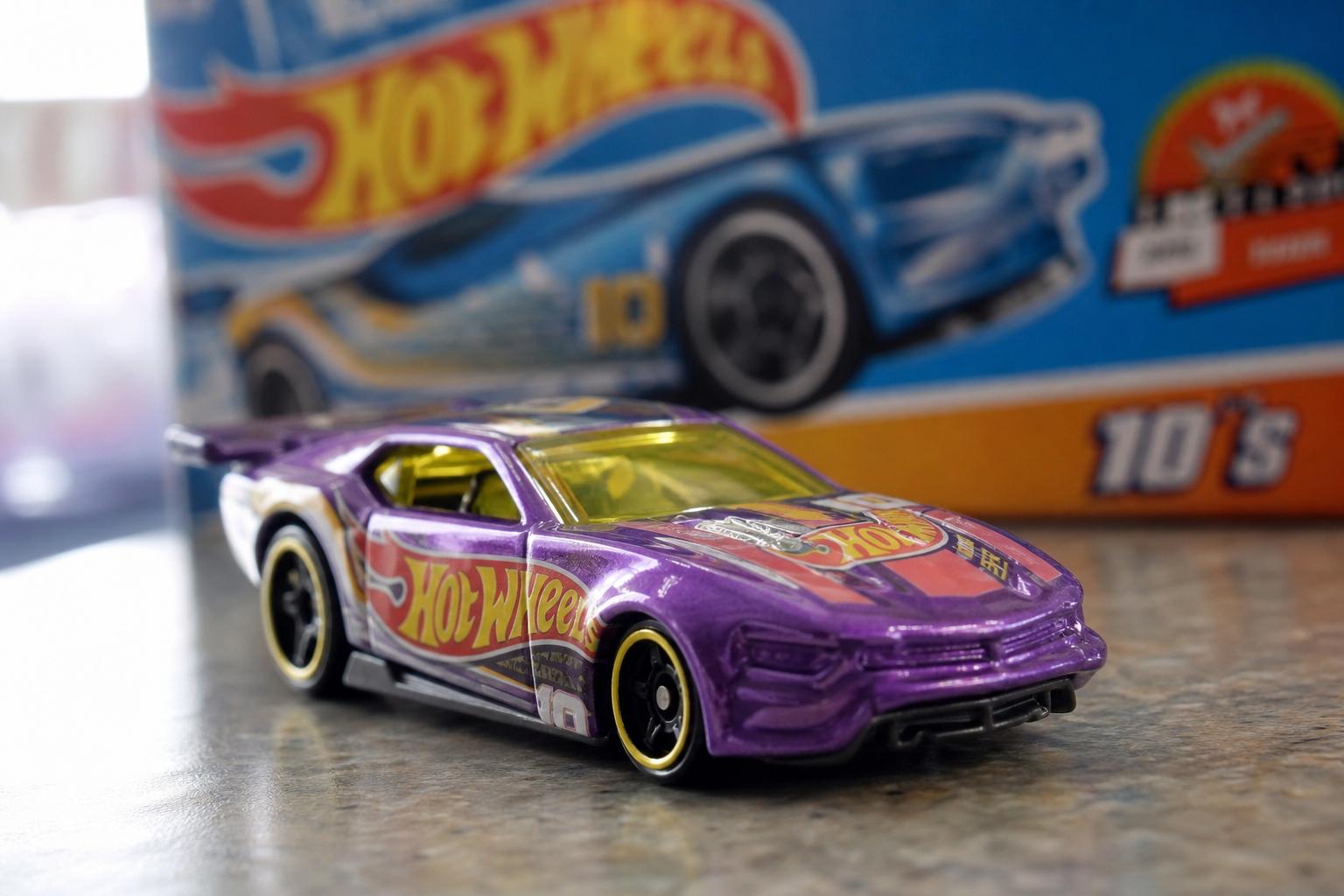
Hot Wheels are 1:64-scale die-cast toy cars made by Mattel, first released in 1968. That date matters because it set a standard for fast-rolling axles and bold styling that still shapes the category. Since then, the brand has ballooned into thousands of models across mainline releases (the budget-friendly ones you’ll see most often), premium lines with metal body and base plus rubber tires, and special club or limited releases for serious collectors. Even if you don’t consider yourself a collector, the right car—say, a classic ’67 Camaro in a colour that matches your dad’s old ride—can transport you back decades. That nostalgia is fuel. The engineering is the spark.
What really keeps the wheels turning is variety. Each year brings new castings, colour variations, collaborations with real automakers, and fantasy designs built purely for speed on orange track. You’ll see everything from Lamborghinis and JDM legends to Canadian service vehicles and film tie-ins. Kids play with them. Adults curate them. Everyone debates which one would win a downhill race.
From Redlines to Today: A Quick Timeline
The first Hot Wheels era is the Redline years (1968–1977), named for the red stripe around the tires. These early cars featured Spectraflame finishes—transparent paints over polished metal—and are now highly collectible. That slick look gave way to the broader “blackwall” years and the expansion of track sets and licensed tooling. Hot Wheels faced heavy competition from other 1:64 die-cast brands, but the mix of speed, pop culture, and affordable prices helped Mattel keep the lead. In the 1990s and 2000s, the brand leaned hard into collecting culture with series, Treasure Hunts, and chase variants. The modern Hobby/Collector era has layered on premium features and grown-up licensing without losing the under-$3 impulse buy that converts casual shoppers into lifelong fans.
Scales and Lines: Mainline, Premium, and RLC Explained
Most Hot Wheels are roughly 1:64 scale, but “roughly” matters. Real cars vary in size and Hot Wheels takes artistic liberties to make them fun, sturdy, and fast. Here’s how the main flavors differ:
- Mainline: The peg-fillers you’ll see everywhere. Plastic base, metal body, plastic tires, bright art. Great for play and collecting sets. You’ll also find Treasure Hunts and Super Treasure Hunts “hidden” within mainline assortments.
- Premium: Part of lines like Car Culture, Boulevard, or entertainment tie-ins. Usually metal body and base, “Real Riders” rubber tires, more detailed tampo printing, and licensed liveries. Not as fast on track but excellent for display.
- Specialty and RLC (Red Line Club): Sold via Mattel Creations, often limited, with higher detail, special finishes, opening parts, or classic Spectraflame-style paints. Canadian buyers can order online but should factor in shipping, taxes, and potential duties.
Tracks and Playsets: Why the Orange Track Still Rules
When someone says Hot Wheels, most people picture orange track. It’s more than nostalgia. Tracks invite experimentation—gravity, friction, angle, and momentum show up in a way kids can feel. A steeper ramp? Faster run. A loop near a curve? More wipeouts. Add launchers, boosters, and connectors, and you’ve built a small physics lab in your living room. That hands-on tinkering is one reason teachers and STEM-minded parents use Hot Wheels for simple lessons about energy and measurement. It also explains why some fantasy castings look exaggerated: they’re optimized to survive stunts and blaze through boosters without parts snagging on rails.
The Canadian Landscape: Where to Buy Hot Wheels in Canada
Where you shop affects what you’ll find. Canada has a distinct retail mix and bilingual packaging norms that shape which cases and card styles arrive. Some stores get fresh stock weekly, others sporadically. Understanding the lay of the land helps you plan smarter hunts and spend less time pacing empty pegs.
Big-Box Retailers and What They Usually Carry
Hot Wheels are widely available at big-box stores across Canada. Stock varies by location and region, but these are common sources:
- Walmart Canada: The heavyweight for mainline pegs. Typically carries large assortments and often receives case waves earlier than smaller chains. Many collectors do their dawn patrols here.
- Toys“R”Us Canada: Strong for premium lines and themed sets. Some exclusives land here, and stores are generally better about tidy pegs and dedicated displays.
- Dollarama: When they have them, you’ll see smaller selections and older case mixes at low prices. Great for kids and customizers looking for base cars to drill and repaint.
- Real Canadian Superstore/Loblaws: Occasional pegs or seasonal dumps. Good for surprise finds if you’re already grocery shopping.
- Canadian Tire: More hit-and-miss, but you can sometimes find multi-packs, track sets, or promotions during holiday resets.
- London Drugs/Shoppers Drug Mart: Regional and inconsistent, but worth a quick look—especially near the holidays when gift aisles expand.
Expect regional quirks. A suburban Walmart in Ontario might restock nightly, while a rural location in Saskatchewan gets a heavy case drop before long dry spells. Don’t assume what you see in Vancouver is what you’ll find in Halifax.
Online Options: Convenience vs. Control
Online shopping is handy but comes with trade-offs. On Amazon.ca and retailer websites, premium sets can sell out quickly or appear at inflated marketplace prices. Mattel Creations lists RLC and special releases, though Canadian shipping fees and taxes add up fast and sellouts can happen in minutes. eBay.ca is the main marketplace for older or rare Hot Wheels in Canada. Aim for sellers with clear photos (front, back, and base), accurate descriptions, and a track record of packaging items well to survive transit.
Specialty hobby stores across Canada increasingly sell online. Many will let you pre-order premium series by the case or set, saving the time and uncertainty of peg hunts. Pricing can be higher than big-box, but you gain certainty and often better shipping practices.
Local Hobby Shops and Toy Shows
Independent shops are the lifeblood of a stable collecting community. They’re where you get nuanced info: which case codes just landed, which customers trade fairly, and what shows are coming up. Staff might let you open a fresh case if you’re respectful and buy more than a single car. In cities like Toronto, Calgary, Vancouver, Ottawa, and Montreal, regular toy and collectible shows feature dozens of vendors with everything from $2 mainlines to rare redlines and RLC heavy-hitters. You’ll pay market prices, but you can examine cards for creases and check for wheel swaps before handing over your cash. Search local event listings and collector groups; dates change year to year.
Hunting 101: How to Find Treasure Hunts and Rare Hot Wheels in Canada
Part of the fun of Hot Wheels is the chase. Not every rare piece is a “retirement fund,” but a tough find at retail is a thrill. Canada gets international assortments that can differ slightly from U.S. distributions, but the fundamentals of hunting carry over.
Case Codes and Assortment Cycles
Hot Wheels mainlines roll out in waves commonly labelled with case letters—A, B, C, and so on—across a calendar year. A given lettered case contains a mix of new releases, recolours, and holdovers from prior waves. Canadian stores often receive “international” cases with multilingual cards and sometimes different mix ratios compared to U.S. long-card cases. While you can’t predict exact delivery dates, you can track which wave is current by watching Canadian collectors on social media who post peg finds and case unboxings.
Most big-box stores receive cases via their central distribution networks. When a reset hits (back-to-school, pre-holiday, or early spring), whole aisles change, and pallets of toys move. That’s prime time to watch pegs closely. If you befriend staff and they share stocking times, treat that information with respect—never pressure employees to hold cases or break policy.
Treasure Hunt vs. Super Treasure Hunt: How to Know What You’ve Found
Treasure Hunts (often abbreviated as “T-Hunts”) and Super Treasure Hunts (“Supers”) are chase variants built into the mainline.
- Treasure Hunt: Typically one per case (not guaranteed). Identified by a small flame-in-a-circle logo on the card behind the blister and subtle flame logos on the car itself. Usually plastic tires, basic paint, but sometimes unique graphics. More common than Supers, but still a happy surprise.
- Super Treasure Hunt: Tough to pull at retail. These are upgraded versions of standard mainline cars: Spectraflame-like paint, rubber “Real Riders” tires, and a gold TH logo somewhere on the casting. Packaging looks like a regular mainline except for details. If it feels heavier than the same model or the finish gleams differently, take a closer look.
Tip: Photos can fool you. Under harsh store lighting, a regular mainline can look shinier than it is. Train your eye by comparing known Supers online to in-hand examples. If you’re buying online, ask for close-ups of the wheels (rubber tires have visible tread and softer sheen) and the TH logo placement. Don’t be shy about requesting a photo of the base; counterfeiters sometimes swap wheels but miss other details.
Timing Your Hunts
There is no universal “best time,” but patterns help. Many Walmart Canada locations restock overnight, so early morning can be productive. Toys“R”Us often stocks before opening as well. Weekend crowds make fresh pegs rare by mid-day, especially in cities. Holiday resets and the weeks leading up to December usually bring the heaviest flow of new stock, while late summer can feel dry in some regions. Weather matters too. Snowstorms can delay shipments; pegs might sit empty for days and then fill all at once once trucks roll again. After major Ontario or Quebec statutory holidays, distribution centers may catch up with a flood of pallets. If you can’t be first, be consistent—check briefly but regularly.
Peg Etiquette: Hunt Hard, Stay Human
Veterans can spot poor etiquette from across the aisle: dumping pegs on the floor, blocking other shoppers, or hoarding fresh cases in a cart. Don’t be that person. Keep pegs orderly, share space, and respect store policies about unopened boxes. If you grab duplicates, ask yourself whether you’re collecting or choking the pegs with repeats others won’t buy. Building friendly rapport with staff and fellow collectors leads to tips, trades, and an easier time all around. Long term, a community that hunts fairly finds more—and fights less.
What’s It Worth? Pricing, Value, and the Canadian Market
Value in Hot Wheels is part math, part mood. Prices reflect rarity, condition, and collector demand—then change as trends move. Canadian buyers and sellers also juggle taxes, exchange rates, and shipping costs that differ from the U.S. scene. Here’s how to think about pricing without losing your shirt.
Typical Canadian Prices by Product Type
Exact tags vary by store and year, but you can use these broad ranges as a sanity check:
| Product Type | Key Features | Typical Price Range in Canada (CAD) |
|---|---|---|
| Mainline single | Plastic base, plastic tires, mass assortment | Usually under $3 at major retailers |
| Premium single (Car Culture, Boulevard, etc.) | Metal/metal, Real Riders tires, detailed deco | Roughly $7–$12 |
| Team Transport / Premium sets | Hauler + car, premium details | About $20–$35 |
| Multi-packs (5-packs, 9-packs, 20-packs) | Curated sets, some exclusive colours | Varies widely, roughly $8–$50 |
| RLC/limited via Mattel Creations | Limited runs, specialty finishes | List price in USD; Canadian total depends on exchange + shipping + taxes |
Beware “market pricing” on some online marketplaces where a $3 car is flipped for $15 simply because stock is thin today. If you’re patient, most mainlines reappear at normal prices.
How to Estimate Value Like a Pro
Don’t rely on asking prices; look at sold prices. On eBay, filter by “Sold Items” to see what people actually paid in the last 90 days. Compare condition, card style (short vs. long), and whether the listing is Canadian (lower shipping for local buyers often means higher net price for sellers). For rarer items, study multiple sales across months to spot trends. Facebook collector groups can be useful price thermometers, but watch for regional bias—Toronto prices aren’t always Winnipeg prices.
Condition matters massively. For carded cars, watch for soft corners, creases, yellowing or lifting blisters, price sticker residue, and smoke smells. For loose cars, check for chipped paint, bent axles, wheel swap marks at the base, and tampo wear. “Case fresh” usually commands a premium, but be wary of the phrase unless there’s photo proof of the actual case pull.
Taxes, Shipping, and Import Rules Canadian Buyers Should Know
Sales taxes add up differently across Canada. Here’s a quick reference you can use when budgeting purchases, whether in store or online.
| Province/Territory | Sales Tax Structure | Total Rate |
|---|---|---|
| Alberta | GST only | 5% |
| British Columbia | GST + PST (7%) | 12% |
| Manitoba | GST + RST (7%) | 12% |
| Saskatchewan | GST + PST (6%) | 11% |
| Ontario | HST | 13% |
| Quebec | GST + QST (9.975%) | 14.975% |
| Nova Scotia | HST | 15% |
| New Brunswick | HST | 15% |
| Prince Edward Island | HST | 15% |
| Newfoundland and Labrador | HST | 15% |
| Yukon, NWT, Nunavut | GST only | 5% |
Ordering from the U.S.? Under the Canada–United States–Mexico Agreement (CUSMA), de minimis thresholds differ by carrier. For courier shipments, there’s generally a higher threshold before duties apply compared to Canada Post. With Canada Post, low-value exemptions are more limited, and you may be charged duty and taxes above a relatively small value. Always check current CBSA guidance because thresholds and enforcement differ between postal and courier streams, and fees (including handling) can surprise you. Either way, factor in exchange rates—what looks like a deal in USD may balloon in CAD after conversion and taxes.
Selling in Canada: Where and How
Local-first is easiest for casual sellers. Kijiji and Facebook Marketplace move common mainlines and premium sets quickly if you price fairly and offer porch pickup or a convenient meetup. For rarer items, eBay offers national reach, but fees and shipping complexity increase. When shipping within Canada, a well-packed bubble mailer with additional protection works for most carded mainlines; premium or high-value items deserve a box, internal padding, and toploader/blister protector sleeves to prevent crushing. Always photograph the exact item you’re selling and note imperfections to avoid returns.
Cards, Short Cards, and Canada’s Bilingual Packaging Reality
Pick up a Hot Wheels in Vancouver and another in Buffalo and you’ll notice a difference: the back of the card. Canadian retail typically carries international “short cards” or multilanguage long cards that meet language and labeling requirements. Under Canada’s Consumer Packaging and Labelling Act and related guidance, certain information must appear in both English and French. For international Hot Wheels cards, the back usually includes many languages, and Canadian distribution may add bilingual details that satisfy requirements.
Short Card vs. Long Card: Does It Matter?
For most kids, the card doesn’t matter. For collectors, it sometimes does. Long cards (common in the U.S.) offer bigger artwork and are often preferred for wall displays. Short cards (common in Canada and Europe) are more compact and can make storage easier. Some collectors chase variants in both card styles; others focus only on castings and open everything. In terms of value, certain collectors will pay more for specific card types, but casting rarity and condition usually trump card length. If you’re collecting for joy, don’t let card length dictate your choices. If you’re collecting for resale, note the card type clearly in your listing and shoot photos that show the entire card front and back.
Bilingual and International Variations
Occasionally, card text or case assortments differ between international and U.S. releases. That can create minor value differences if one market’s version is scarcer. Canadian variations that include bilingual labeling sometimes see niche demand, especially among completionists or collectors who favour Canadian-themed items. Keep an eye on lot descriptions when buying mixed collections; international and U.S. cards often mingle, and you may spot a hidden gem others overlooked.
Storage, Displays, and Protection—Tailored for Canadian Conditions
Canada’s climate challenges collectibles: frigid winters, humid summers, and sunlight that fades paint even in February. Protecting your Hot Wheels doesn’t require overkill, just a thoughtful setup that respects temperature, humidity, and light.
Carded Cars: Keep the Blisters Clear and Corners Sharp
Ultraviolet light is the enemy of blister clarity and card ink. Avoid direct sunlight and intense UV from windows. Display on interior walls, use curtains or UV-filtering film, or invest in UV-resistant acrylic cases for prized pieces. For storage, blister protectors and toploaders keep corners from getting mashed in bins. Choose acid-free sleeves if you use any paper-based materials. Avoid attics and unheated garages; extreme cold can embrittle blisters and make the adhesive bond fragile. In a deep freeze, even a light knock can spider-crack the plastic.
Loose Cars: Organize for Access and Safety
Tackle boxes, bead organizers from craft stores, and dedicated die-cast cases all work for 1:64 cars. Label compartments, group by theme or brand, and add thin foam if cars slide. If you live near the coast or in a damp basement suite, consider silica gel packs in storage bins to keep humidity in check and protect against corrosion on axles or bases. Wipe down track rubber dust occasionally—booster residue is surprisingly gritty and can scratch glossy finishes over time.
Temperature and Humidity: The Canadian Reality Check
Basements are popular for displays, but summer humidity in Ontario or Quebec can creep up. Aim for a stable environment: roughly 40–55% relative humidity if possible. A small dehumidifier goes a long way. In winter, rapid transitions from a cold car trunk to a warm condo can create condensation inside blisters; let boxes acclimate before opening. On the Prairies, static from dry winter air attracts dust—closed cabinets or display cases make cleaning easier than open shelves.
Customizing Hot Wheels in Canada: Tools, Rules, and Real-World Tips
Customizing takes the hobby in a creative direction: drilling out rivets, stripping paint, and building something new—a patina pickup, a track-ready fantasy, a replica of a local police cruiser. Canada has everything you need to get started; you just need a small workspace and a respect for safety.
Beginner Toolkit You Can Source Locally
You don’t need a full shop to make a custom look sharp. A practical starter kit includes:
- Pin vise or rotary tool with small drill bits to remove factory rivets.
- Screws or rivets for reassembly (M2 or specialty hobby rivets).
- Paint stripper or 2-in-1 primer/paint suitable for metal. Many Canadian hobbyists use safer, citrus-based strippers; follow the label and test on scrap first.
- Fine sandpaper and files to smooth casting lines.
- Acrylic or enamel paints, detail brushes, and/or an airbrush for smoother coats.
- Decals and clearcoat (water-slide decals are common for fine graphics).
- Wheel swap supplies—aftermarket Real Riders or donor wheels from premium cars.
- Protective gear: nitrile gloves, eye protection, and a mask or respirator for sanding and spraying.
Sources include Canadian Tire, hardware chains, hobby shops, craft stores like Michaels, and online Canadian retailers specializing in die-cast parts. Shipping within Canada for small supplies is typically inexpensive and avoids customs headaches.
Safety and Legal Considerations
Ventilation is non-negotiable. Many paints and strippers release fumes; use them outdoors or in a well-ventilated area and follow manufacturer directions. Keep materials away from kids and pets and dispose of solvents according to local municipal guidelines. On the legal front, be cautious with trademarks and logos. Reproducing brand marks for a one-off personal custom you never sell is different from selling batches that use trademarks without permission. When in doubt, create original liveries or seek licensed decal suppliers.
Selling Customs: Be Clear, Be Fair
If you sell a custom, disclose exactly what it is. Never present a custom as an official release or a Super Treasure Hunt if it isn’t. Note the base casting, paint, wheels, and whether it rolls and fits track. Provide close, well-lit photos from all angles. Many Canadian customizers sell via Instagram, Facebook groups, or local shows. Price your time. A tasteful custom with clean details often costs less than a premium figure but more than a stock mainline—that’s normal. You’re selling craft, not just parts.
Kids and Hot Wheels: Safety, Learning, and Play at Home
For families, Hot Wheels tick nearly every box: affordable, durable, and endlessly reconfigurable. A few Canada-specific notes will make play safer and more satisfying.
Age Ratings and Health Canada Guidance
Most Hot Wheels mainline cars are recommended for ages 3+ due to small parts. Health Canada’s Consumer Product Safety Program enforces safety rules under regulations such as the Canada Consumer Product Safety Act and the CCCR, 2001 (Consumer Chemicals and Containers Regulations, 2001) and other applicable standards. While Mattel designs cars to meet toy safety standards, always supervise very young children, especially with loose accessories or track connectors that could pose a choking hazard. Check recalls through official channels if you buy older sets second-hand.
Apartment-Friendly Tracks and Noise Considerations
Tracks don’t need a suburban basement. In condos or rentals, shorter track segments with soft landings cut down on clatter. Place a rug or foam tiles under the finish line, angle loops away from walls, and avoid late-night runs if you have thin floors. Vertical builds with wall-safe hooks or doorway mounts save space; just confirm the adhesive won’t mar paint. Multi-packs of track connectors make it easy to rebuild layouts on weekends and tuck them away during the week.
Learning with Hot Wheels: Simple STEM at Home
Kids love a stoplight timer and a tape measure. Mark track heights in centimetres, time runs with a phone, and compare outcomes with different cars. Which wheelbase works better for loops? Does a heavier casting carry more momentum down a ramp? Have kids predict then test. If you’re working in French or English at home, label track parts bilingually to build vocabulary. For classroom use, check your school board’s policies on shared materials and sanitization—simple wipe-downs keep cars classroom-ready.
Community and Culture: Canadian Collectors, Media, and Events
Collecting Hot Wheels in Canada is more social than it first appears. Online groups, local meets, and toy shows teach you what photos can’t: how a certain finish looks in real light, which castings roll like rockets, and what that mystery code on the card actually means.
Clubs, Groups, and Etiquette
Facebook groups and forums focused on Canadian die-cast are hubs for buy/sell/trade, show announcements, and case sightings. Join a few and observe before posting. Common etiquette: label prices in CAD, list your city, and post real photos of the item in your possession. For trades, agree on shipping methods and who covers which costs (tracking, insurance). If a deal goes sideways, communicate quickly; most disputes resolve with a partial refund or return. Reputation travels fast in a small hobby. Keep yours clean.
Toy Shows and Regional Highlights
Major cities across Canada host recurring toy and collectible fairs. Expect rows of vendors with mainlines, premiums, vintage redlines, customs, and ephemera like display cases and acrylic protectors. Bring cash, a small tote for purchases, and your phone for quick value checks. Haggling is normal but stay respectful; a polite “Would you take X?” goes further than lowballing. If you collect Canadian-themed cars—police liveries, maple leaf graphics, or casts tied to Canadian motorsports—shows are the best place to spot them in person.
Documenting Your Collection
A simple spreadsheet beats memory. Track casting name, series, release year, card type (short/long), condition, purchase location, and price. Snap photos on intake. If you aim for sets (e.g., the full Car Culture release of a given year), a checklist keeps you from buying duplicates. For insurance purposes, high-value items warrant a quick inventory with photos stored in the cloud. If you ever sell, detailed records make listings faster and more trustworthy.
Hot Wheels Myths, Pitfalls, and How to Spot Fakes
Where there’s hype, there’s misinformation. Here are common traps—and how to avoid them.
Myths That Waste Money
- “Older always means rarer.” Not true. Some modern releases have shorter runs than older shelf-warmers. Rarity depends on production volume, distribution, and demand, not age alone.
- “Every Treasure Hunt goes up in value.” Plenty fade after initial buzz. If you love it, keep it. If you don’t, sell while interest is hot.
- “Premium equals investment.” Premiums look fantastic, but demand varies widely by theme and casting. Buy what you’d be happy to keep if prices slide.
Spotting Counterfeits and Reseals
The most common “fake” is a regular mainline dressed up to mimic a Super Treasure Hunt. Tells include incorrect wheels (rubber tires but wrong style), mismatched tampo placement, and micro-scratches on the blister edge from resealing. Look for factory-correct wheel types and a clear TH logo on the casting. On older redlines, watch for repaints passed off as original; factory Spectraflame finishes have depth and evenness that hasty resprays lack. Cardbacks with uneven glue residue or melted blisters are red flags. If the price is too good for a grail piece, walk away or ask for more proof.
Plan Your Collection With Purpose
It’s easy to buy everything that looks cool—until storage bins multiply and you forget why you started. A simple plan makes collecting sustainable, affordable, and deeply satisfying.
Pick a Theme (or Three)
Choose lanes that match your interests: JDM icons, classic muscle, European exotics, track-only fantasy castings, race liveries, or Canadian-specific vehicles like RCMP cruiser styles when they appear. You might chase one casting across all its colours, or one series like Car Culture year by year. A theme filters the noise and gives your display a narrative.
Budget and Rotate
Decide your monthly limit and stick to it. If you blow the budget, put a couple of extras up for sale to balance the books. Adopt a one-in, one-out policy for similar castings. It sounds rigid until you see how quickly clutter shrinks and quality rises.
Have an Exit Strategy
Life changes. If you ever need to downsize, a tidy collection with documented values and organized storage is easier to sell or pass on. Hot Wheels make thoughtful gifts within families—passing a set of premium Porsche castings to a younger fan keeps the story rolling.
The Future of Hot Wheels in Canada
Supply chains have become more resilient, but fluctuations remain. Premium die-cast has grown faster than anyone predicted a decade ago, and Canadian retailers have leaned into that demand with dedicated pegs and endcaps for higher-end lines. Expect more licensed collabs, more collector-focused subseries, and continued experiments in packaging and sustainability. Digital tie-ins ebb and flow—apps, scanning, and virtual garages come and go—but the core remains analogue: a metal car that fits in your palm and flies down a track.
For Canadian collectors, cross-border availability will remain a variable. Some exclusives land here quickly; others require patience or importing. As long as the hobby keeps a sense of community—sharing sightings, trading fairly, and helping kids pick their first loop car—the next generation will discover that same rush when the wheels first hit orange plastic.
FAQ: Hot Wheels in Canada
Are Hot Wheels mainlines the same in Canada as in the U.S.?
Mostly, but not always. Canada often receives international assortments with multilingual cards and sometimes slightly different case mixes. The cars themselves are usually identical, though certain exclusives or card variations may differ by market.
What’s the best place to find Super Treasure Hunts in Canada?
No store guarantees Supers. Walmart Canada has volume and frequent restocks, which increases your chances. Toys“R”Us schedules can be predictable. Consistency and timing matter more than the logo above the door. If you can’t hunt daily, buying or trading with reputable collectors is more efficient.
How much should I pay for a mainline Hot Wheels in Canada?
At major retailers, mainlines are typically under $3 CAD. Specialty shops may charge a bit more due to smaller volumes. Online marketplace pricing can swing above retail; patience often saves money.
What’s the difference between a Treasure Hunt and a Super Treasure Hunt?
Treasure Hunts are chase cars identified by a flame-in-circle logo; Supers are rarer upgrades of mainline castings featuring premium paint and rubber tires with a “TH” logo on the car. Supers usually command much higher resale value.
Can I order Red Line Club (RLC) cars to Canada?
Yes, via Mattel Creations when available. Factor in exchange rates, shipping fees, and taxes. Depending on the carrier, you may also face duties or handling fees. Limited runs sell out fast, so create an account and be ready at drop time.
Do short cards reduce value?
Not inherently. Some collectors prefer long cards, others focus on the casting regardless of card length. Rarity, condition, and demand for a specific car drive value more than card size. Always list the card type accurately when selling.
How can I protect carded Hot Wheels from Canada’s winter cold?
Avoid storing them in unheated garages or sheds. Extreme cold makes blisters brittle and adhesive fragile. Keep them indoors at stable temperatures and let packages acclimate to room temp before handling if they arrive cold from the courier.
Where can I sell duplicates locally?
Kijiji and Facebook Marketplace are the easiest for local transactions. For premium or rare items, eBay offers wider reach, but fees and shipping complexity increase. Toy shows in major cities can move inventory quickly if you price fairly and accept cash.
What’s the safest way to ship a carded car within Canada?
Use a blister protector or toploader, then a padded mailer for lower-value items. For premium or valuable pieces, box them with internal padding to prevent corner dings and blister crush. Add tracking for anything you’d hate to lose.
Are Dollarama Hot Wheels legit?
Yes. They’re genuine but often from older waves or overstock. Great for kids and customizers, and occasionally you’ll find a desirable casting that slipped under the radar.
Is customizing legal if I sell the car?
Customizing a car you own is fine. If you sell customs, avoid using protected trademarks and logos without permission. Always disclose that your item is a custom and not an official release.
How do I spot a fake Super Treasure Hunt?
Check for proper rubber tires with correct wheel style, a clear TH logo on the casting, and finish quality consistent with known Supers. Inspect the blister edges for reseal signs. Compare with trusted reference photos and buy from reputable sellers.
Do Canadian Hot Wheels have bilingual packaging?
Many do, especially international cards distributed in Canada, to meet bilingual labeling requirements. You’ll often see multiple languages on the back and key info in English and French.
Which track sets are best for small apartments?
Compact loop sets, foldable ramps, and doorway or under-sofa tracks work well. Use rugs or foam mats to dampen noise, and plan vertical layouts that pack into a tote between sessions.
Do Hot Wheels hold their value?
Some do; many don’t. Rarity, condition, and collector demand determine value. Buy what you enjoy, keep items in good condition, and use sold listings to judge the market—not hype.