








Minor Hockey Talks: Honest Conversations Every Canadian Rink Family Should Have
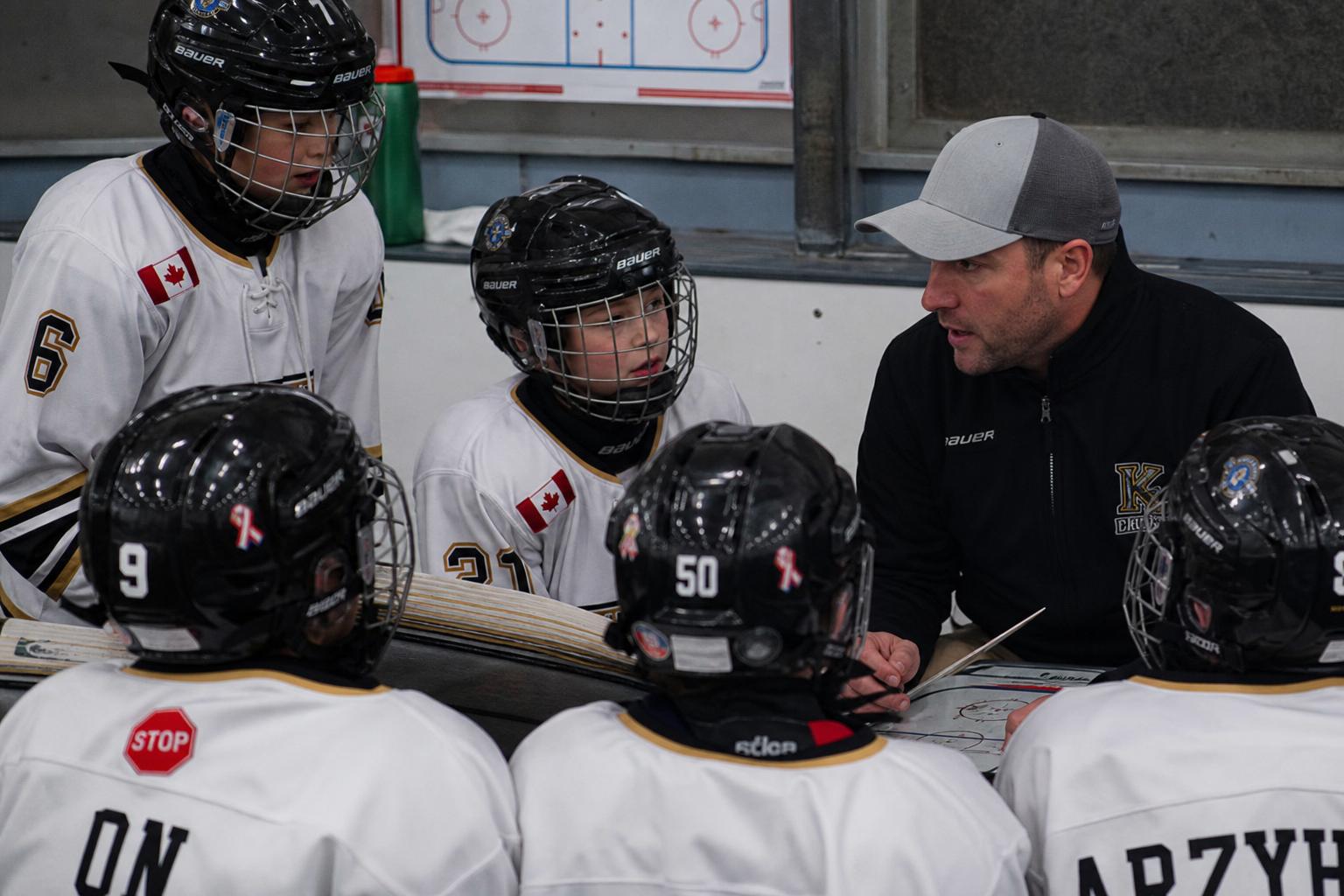
Walk into any Canadian arena on a winter Saturday and you’ll hear it—the nervous jokes in the lobby before tryouts, the excited chatter after a tournament win, the quiet debriefs on the car ride home. Those moments add up to the culture of our game. Minor hockey talks are the big and small conversations that shape how kids learn, how teams gel, and how families decide what hockey should look like in their lives. Get those talks right, and the season tends to feel lighter, safer, and a lot more fun.
This guide dives into the conversations that matter in youth hockey across Canada—from the first parent meeting to the last exit interview. You’ll find practical scripts, Canadian-specific rules and safety standards, budget realities, and straightforward advice for talking about tryouts, ice time, concussions, mental health, officials, and the future of your player’s path. We’ll connect policy to practice and offer clear, calm ways to speak up when you need to. Whether your rink life is in Halifax or Kelowna, Gander or Windsor, these minor hockey talks can make every skate more meaningful and every season less chaotic.
What “minor hockey talks” really mean in Canada
Minor hockey talks aren’t just locker room speeches or pep rallies. They’re the everyday exchanges that shape the season: how a coach sets expectations, how a parent raises a concern without lighting a fuse, how a player asks for feedback, how a team handles a concussion, and how everyone treats officials with respect. They’re also the quiet reminders—drink water, tie laces right, carry your own bag—that build independence and confidence.
In Canada, these talks sit inside a clear structure. Hockey Canada sets national rules and safety frameworks. Provincial and territorial branches—like BC Hockey, Hockey Alberta, Hockey Saskatchewan, Hockey Manitoba, the Ontario Hockey Federation (and regional partners such as the GTHL), Hockey Quebec, Hockey New Brunswick, Hockey Nova Scotia, Hockey PEI, Hockey Newfoundland and Labrador, Hockey Northwestern Ontario, and Hockey Eastern Ontario—adapt and apply those rules. Local associations run the teams. That chain matters when you’re deciding who to talk to, when, and about what.
The right conversations also reflect Canada’s rink realities: rural ice is cheaper but travel is longer; urban leagues are dense but ice time is scarce and pricey. Northern teams often juggle flights rather than buses. French and English programs run side by side in Quebec, Ottawa, and New Brunswick. Girls’ hockey is growing fast from St. John’s to Victoria. And everywhere, the costs have nudged upward. A good conversation can reduce friction and prevent misunderstandings that take the joy out of hockey.
Age divisions, pathways, and how to talk about body checking
Age categories across the country use the U-name format. Programs vary by branch, but this is the common language you’ll hear at registration desks and scheduling meetings.
| Division | Typical Age | Common Program Names | Body Checking Policy (General) |
|---|---|---|---|
| U7 | 4–6 | Initiation/Timbits | No body checking |
| U9 | 7–8 | Novice/FUNdamentals streams | No body checking |
| U11 | 9–10 | House/Recreational or Rep | No body checking |
| U13 | 11–12 | Recreational or Rep | No body checking under Hockey Canada |
| U15 | 13–14 | Recreational or Rep (A/AA/AAA) | Checking may be offered at certain competitive tiers; recreational is typically non-checking |
| U18 | 15–17 | Recreational or Rep (A/AA/AAA) | Checking may be offered at higher tiers; many leagues remain non-checking |
| U21/Junior | 18–20 | U21 or Junior categories under specific leagues | Policies vary by league and branch |
How do you talk about body checking? Start simple and factual. Across Canada, body checking is removed from U13 and younger. At U15 and U18, some competitive leagues offer checking, while recreational streams often remain non-checking. The nuance is provincial and even local. Before tryouts, ask the association which divisions and tiers allow checking this season, and whether a Checking Skills clinic is required. Then address the “why” with your player: physical play is about angles, stick-on-puck, and absorbing contact safely—not launching into people. If a child is anxious, lean on skill-building and confidence first. If they’re eager, emphasize respect and control.
The preseason parent meeting: the conversation that sets the tone
Teams that start with a clear, respectful meeting rarely implode in January. Think of this as the team’s town hall. The best meetings are tight, transparent, and leave time for questions. Keep the tone practical, not performative.
What to cover in that first meeting
- Program overview: practices per week, typical game volume, tournaments, and whether travel is regional or provincial.
- Coaching philosophy: development-first, competition goals, and how ice time works at this level.
- Safety and conduct: Safe Sport principles, the Rule of Two (no one-on-one interactions with a minor; keep another screened adult present), concussion protocol, and respect for officials.
- Qualifications: NCCP coaching certifications (Coach 1, Coach 2, Development 1), Respect in Sport – Activity Leader, trainer/medical certification, and completion of police background and Vulnerable Sector Checks.
- Parent responsibilities: Respect in Sport for Parents if required by your branch, volunteer roles, fundraising expectations.
- Budget: a clear, line-by-line draft with timelines for payments and refund policies.
- Communication policies: response times, a 24-hour rule before raising heated concerns, and how to book private discussions.
- Player development: season goals tied to Hockey Canada’s Long-Term Player Development model—more practice than games at younger ages, multilayered skill progressions.
Write these down and share them by email or on your team app (TeamSnap, RAMP, TeamLinkt). Transparency early saves a hundred back-and-forths later. And it creates a shared vocabulary for the season’s toughest topics: ice time, roles, and money.
Setting ice time expectations without drama
Use clear language. At recreational/house levels, it’s typical to promise balanced or “fair” ice time over a series of games. At competitive tiers, the language often shifts: fair opportunity in the regular season, merit-based at tournaments or playoffs. Put it in writing and give examples. If you coach a U11 house team, you might rotate centres on power plays to develop everyone. If you coach U15 AA, you might shorten the bench in the last five minutes of a tight playoff game. Families can accept almost any approach if it’s stated plainly and applied consistently.
Then add guardrails. No player should be stapled to the bench for long stretches. No child should be shamed for mistakes. Be explicit: players who miss practices without notice or duck team commitments may sit a period. Injuries and illness are handled with care. Make exceptions clear and rare.
Talking budgets like grown-ups
Nothing derails a season like financial surprises. Open the books. Distinguish between association fees, team fees, and optional extras. List what’s included: practice ice, game ice, tournament registrations, team apparel, coach education, training aids, and banked contingency funds. Then list what’s not included: travel, meals, extra skills sessions, skate sharpening, and replacement gear. Put dates on payment milestones and spell out refund triggers if the season is disrupted (say, weather or cancellations).
| Item | House/Recreational (Typical Range) | Rep (A/AA/AAA) (Typical Range) | Notes (City vs Small Town) |
|---|---|---|---|
| Association registration | $300–$1,200 | $700–$2,000 | Higher in major cities like Toronto, Vancouver; lower in small communities |
| Team fees (ice, tournaments, extras) | $200–$800 | $1,000–$3,500+ | AAA teams may exceed $4,000 outside of travel |
| Travel (hotels, gas, meals) | $0–$800 | $1,000–$5,000+ | Quebec City, Winnipeg, Calgary trips add up; winter flights in the North cost more |
| Skills/Power skating (optional) | $0–$400 | $200–$1,200 | Private sessions push costs up; group clinics are cheaper |
| Equipment (starter set) | $400–$800 | $400–$800 | Goalie gear often $1,000–$2,500; used gear can cut costs significantly |
For teams in the GTA, Vancouver, Calgary, or Montreal, ice is the budget buster. Two hours of prime-time ice can run $400–$700. In smaller centres like Brandon, Bathurst, or Prince Albert, you might see $120–$200 per hour. Build around your local reality, not someone else’s spreadsheet.
Always flag financial assistance programs. Canadian Tire Jumpstart, KidSport, the Hockey Canada Assist Fund (when available), and the Grindstone Award Foundation (for girls) can bridge gaps. Quietly share application links, and keep dignity at the centre of the conversation. If you’re a coach or manager, don’t call out families in public. Make it easy and discreet to ask for help.
Tryouts and selections: transparent conversations that reduce heat
Tryouts are emotional. They don’t have to be mysterious. The best approach is to demystify criteria, describe the process, and show players how to request feedback after the dust settles.
How to talk about the process
- Criteria: skating (edges, acceleration, stops), puck skills (handling, passing, shooting), compete and coachability, team play, and positional awareness. For goalies: movement, tracking, rebound control, and communication.
- Data points: scrimmage shifts, skills drills, small-area games. Some associations use independent evaluators. Say whether that’s happening.
- Timing: dates, how cuts are communicated (email, website, dressing-room board), and when feedback will be available.
- Respect: coaches focus on the player, not the parent; parents follow the 24-hour rule if unhappy; no social media rants.
Sample feedback request (parent)
Subject: U13 AA Tryout – Feedback Request for Maya
Hi Coach,
Thanks for the time you and your staff put into tryouts. Maya was released after skate three. When you have a moment this week, could you share 2–3 specific areas for her to focus on this fall? We’ll use that to plan her development.
Appreciate it, and best of luck this season.
—Alex
Short, calm, and specific. That tone opens doors. If you’re the coach, keep your feedback concrete: “Work on first-three-steps acceleration and scanning before you get the puck. A stickhandling ball at home and blue-line sprint drills twice a week will help.” Offer a check-in point mid-season if appropriate.
Safety talks that actually stick: concussions, maltreatment, and equipment
You can’t out-coach safety. Build it into your language early and often. In Canada, concussion protocols are guided by Hockey Canada and provincial frameworks. Ontario’s Rowan’s Law requires concussion awareness for athletes, parents, and coaches, plus return-to-sport steps after a suspected concussion. Other provinces use evidence-based tools such as Parachute Canada’s guidelines and the Concussion Awareness Training Tool (CATT) in BC. The common rule: when in doubt, sit them out.
Concussion conversation—coach to parent
“We pulled Liam after a head contact in the second period. He had a headache and said he felt foggy. He won’t return today. Please see a medical professional, and we’ll follow our association’s return-to-play protocol. We’re prioritizing recovery over timelines.”
Then you write it down: the incident, symptoms, medical clearance requirements, and the stepwise return—light activity, sport-specific exercise, non-contact drills, practice, and finally games. No rushing, no guilt. If you’re a parent, thank the coach for acting fast and update them after the clinical visit. Keep school and homework in the loop too—cognitive rest is part of healing.
Maltreatment and Safe Sport
Hockey Canada’s playing rules include a Maltreatment, Bullying and Harassment section with a clear stance against discrimination, abuse, and intimidation. Many branches use independent third-party reporting for serious concerns. Teams should state, in plain language, that racist, sexist, homophobic, transphobic, or ableist comments are not tolerated—on the bench, in the room, or online. Teach kids the difference between chirping someone’s play and attacking their identity. And follow the Rule of Two for all coach–player interactions in person and online (group chats, emails to multiple recipients, or copying a parent).
Equipment that protects—what to mandate and how to say it
- Helmet: CSA-certified with a full cage or visor/cage combo for minors; replace if cracked or older than the manufacturer’s recommended life.
- Neck guards: Most branches require BNQ-certified neck laceration protection for U18. Make it a non-negotiable team rule and check compliance before the ice door opens.
- Mouthguards: Often mandatory at youth levels; confirm your branch policy (e.g., many Ontario leagues require them).
- Cut-resistant socks and wrist protection: Not always mandatory but increasingly common; a good investment.
- Skates and fit: Properly sharpened and baked if the model allows. Poor fit is a hidden injury risk.
When you frame equipment rules, connect them to stories kids understand: skate cuts are sharp, pucks rise, heads are precious. Gear isn’t just “rules.” It’s why they get to play tomorrow.
The player–coach development talk: goals that make sense
The most productive minor hockey talks are the quiet, 10-minute goal-setting chats between a coach and a player. Make them routine. Tie goals to Hockey Canada’s Long-Term Player Development stages: kids at U9 need lots of puck touches and movement patterns; U11 and U13 players crave skill layering and decision-making; U15 and U18 athletes can handle more tactics and strength.
How to structure a 10-minute check-in
- Strength snapshot: “Your edgework has popped. You hold the blue line well.”
- Two focused goals: “Scan before receiving a pass; quicker first three strides.”
- Actions: “Two scanning cues in practice; blue-line sprint ladders twice weekly.”
- Measure: “We’ll track completed passes in the neutral zone and time to top speed to the hashmarks.”
- Check-in date: “Let’s revisit in three weeks.”
Goals should be specific and doable. “Get better” isn’t a goal. “Call for the puck every shift” is. For goalies, pick metrics that matter: rebound distance, recoveries to set position, play-behind-the-net choices. Record progress where players can see it. Small wins compound.
Talking ice time without turning it into a fight
If you’re a parent who wants to ask about ice time, avoid game-day ambushes. Send a polite email, request a short meeting, and use neutral language: “Can you help me understand Sam’s role on the team and what he can do to earn more shifts in the third period?” Good coaches will answer with specifics—practice habits, details on forecheck responsibilities, or faceoff readiness. If the coach’s policy is clear and your child’s role is defined, you may still dislike the distribution—but at least you’re speaking the same language.
Mental health, motivation, and the car-ride talk
Most kids don’t quit hockey because their backhand was weak. They quit because the game stopped being fun, or the pressure felt heavy. Parents have the strongest lever here: the car-ride talk. Keep it simple after games: “I loved watching you play. What was one thing that felt good? What’s one thing you want to try next time?” Save advice for the next day. Sleep is magic. Learning settles overnight.
Watch for red flags: stomach aches before practice, tears over ice time, trouble sleeping, or dreading the rink. Normalize breaks. If your player needs a week off after exams or after a hard concussion recovery, let them breathe. Encourage multi-sport participation, especially before U15. It builds a better athlete and a healthier identity.
Respecting officials: a talk every team must have
Canada needs more referees, not fewer. Abuse drives officials away, and without them, you don’t have games. Make respect part of your pregame speech and your parent code of conduct. If you disagree with a call, that’s part of sport. But only the coach addresses officials, and only at the right time and tone. Parents yelling from the stands earns penalties and reputational damage for the team.
If your team has trouble with emotions, try a “quiet bench” rule for a weekend—coaches do the talking, players focus on the next shift. Some associations run “silent games” for parents to recalibrate. Minor hockey talks should include the reminder that the stripes on the ice are someone’s teenager, university student, or seasoned volunteer. Treat them like you want your child treated at work one day.
Gear conversations that save money and prevent injuries
Equipment talk doesn’t have to sound like a sales pitch. Focus on fit, safety, and total cost of ownership, not brand names.
Starter kit checklist and Canadian shopping tips
- Helmet + cage, mouthguard, neck guard
- Shoulder pads, elbow pads, gloves
- Jock/jill with cup and Velcro sock tabs; cut-resistant base layers recommended
- Hockey pants, shin pads, socks, jersey
- Skates that fit snugly in the heel; sharpen at a consistent hollow (1/2″ is a common starting point)
- Stick cut to the right height (around the chin with skates on for many players) and the right flex (youth often 35–55 flex)
- Bag with name and a simple airing routine—hang gear after every skate
Buy used where it makes sense. Community exchanges, Play It Again Sports, and association swap days keep costs sane. Replace helmets on schedule; they’re non-negotiable. For skates, a proper fit saves far more than it costs. Baking modern composite skates (if supported) helps avoid blisters. Keep sharpening consistent; big jumps in hollow change how a kid stops and turns.
Goalie gear is its own planet. Many associations have loaner sets for new goalies—ask early. Prioritize chest and arm protection, mask fit, and knee stacks. Don’t ignore the neck guard; goalies are at unique angles to skates and sticks in scrambles.
Fuel, sleep, and the tournament buffet problem
Kids don’t need complicated fueling plans. They need regular, familiar food, water, and sleep. For a Saturday with two games:
- 2–3 hours before: balanced meal—pasta or rice with chicken or tofu, veg, and water.
- 30–60 minutes before: light snack—banana, yogurt, granola bar, or toast with peanut butter.
- Between games: keep it simple—fruit, sandwich, chocolate milk, water. Skip heavy, greasy meals that sit like a brick.
- Hydration: bring a full bottle; remind kids to sip, not chug at the last second.
Sleep beats supplements. Teens especially need 8–10 hours when training. If a tournament runs late, shift expectations for the morning skate. The best “secret” in youth sports is boring: consistent routines.
Travel tournaments and the conversations that keep them fun
Travel is where teams bond—and budgets wobble. Before you book anything, hold a travel meeting. Decide how many tournaments, how far, and whether the team subsidizes coach rooms. Share a code of conduct: curfews, quiet hours for neighbours, and hotel staff respect. Remind families that hockey people are ambassadors whether they’re in Ottawa, Moncton, or Red Deer.
Plan with winter in mind. If you’re driving from Regina to Medicine Hat in January, build a buffer for highway closures. Keep emergency kits in vehicles and have a late-arrival plan that prioritizes safety over warmups. For Quebec City’s famous Pee-Wee tournament, tackle logistics early—language access, walking routes in Old Quebec, and ways to rotate chaperones so no one burns out.
Inclusion, accessibility, and affordability: talks that widen the door
Minor hockey talks aren’t just about quicker breakouts. They’re about who feels welcome. If your association serves new Canadians, run a short session on gear basics in multiple languages. Offer a loaner bin for first skates. If your community includes Indigenous families, build relationships with local leaders and be thoughtful about scheduling around cultural commitments. Listen more than you speak.
For girls’ hockey, don’t silo development. Invest in female coaching pipelines, mentorship, and equal ice allocation. The growth of the women’s professional game gives young players heroes; your policies should give them opportunities. For para hockey (sledge), talk about cross-promotion with stand-up programs and work to share prime ice. The goal is simple: if a child wants to play, there’s a reasonable path to the ice.
Cost remains the stubborn barrier. Create a normalized, private way to request fee relief. Offer team-wide fundraisers that don’t single anyone out. Be mindful of “optional” extras that become social pressure. Every team has a range of incomes; make decisions that let everyone show up.
Digital communication, privacy, and the group chat minefield
Most teams run on apps and chats now. That’s efficient—and risky if you’re not careful. Set guardrails:
- Use official team apps for schedules and critical updates; avoid splinter chats that exclude people.
- For coach–player messages, copy a parent or another screened adult. Keep communication within hours that respect family time.
- No posting injury details without consent. Protect medical privacy.
- Photo and video consent: ask at the start of the year. Respect “no photos” families.
- Shut down gossip fast. If a chat gets toxic, address it in person and reset norms.
Online behaviour counts as team behaviour. A sharp reminder early beats a discipline meeting later.
Conflict, complaints, and when to escalate
Even on good teams, friction happens. Handle it with a clear ladder:
- Pause: wait 24 hours after an incident unless it’s a safety issue.
- Direct talk: parent and coach meet briefly and privately; stick to facts and desired outcomes.
- Team level: if unresolved, involve the manager or a designated conflict liaison.
- Association: formal complaint following policy; keep documents and dates.
- Branch/independent: for maltreatment or serious safety issues, use the independent third-party reporting channel if available.
Keep language respectful and specific. Avoid absolutes and assumptions. Ask for the policy that applies. And remember: your child hears how you talk about people. Model the standard you want them to carry.
Pathways talk: recreational joy, competitive drive, and future options
Not every player wants—or needs—the same path. Some thrive in house league with friends, building skills steadily and loving the game for years. Others chase rep hockey, aiming at AA or AAA. A few will target high-performance streams that may intersect with Major Junior (WHL, OHL, QMJHL) or NCAA aspirations in their later teens. That decision tree doesn’t have to be stressful at U11.
Here’s how to frame the conversation at home:
- What do you enjoy most about hockey right now—friends, challenge, competition, or just movement?
- How many nights per week can we realistically commit to, including travel and homework?
- Are we comfortable with the costs, and what would we trim to make it work?
- Do you want to play other sports this season? How will those schedules mesh?
- If we try a higher level and it’s too much, can we pivot without shame?
For serious next-step talks at U15 and U18, seek neutral advice from coaches who don’t have a stake in recruiting your child. Learn the academic requirements for NCAA (if that’s on the radar) and the implications of CHL participation on eligibility. Keep the focus on the whole person—school fit, family logistics, and mental health count as much as any scouting report.
Off-ice training, multi-sport, and rest: the balanced development talk
It’s tempting to chase marginal gains with year-round hockey, especially in big markets with skills coaches on every corner. That can work for some athletes in moderation. But the evidence is clear: early specialization increases the risk of burnout and overuse injuries. Hockey Canada’s development philosophy and most provincial sport bodies encourage multi-sport participation through U13 and beyond.
Use a simple framework:
- U9–U11: Fun movement, agility, balance, light strength with body weight, and lots of unstructured play.
- U13: Add coordinated strength basics (coached), sprint mechanics, and recovery habits.
- U15–U18: Progressive strength and conditioning, mobility, and sprint work, with offseason periods that truly reduce volume and intensity.
Recovery is a skill. Map your week: school, homework, practices, dryland, and downtime. If the schedule looks like a Tetris disaster, cut something. Rest isn’t a luxury for high performers; it’s the platform that lets them perform at all.
End-of-season exit interviews: finishing well
The final minor hockey talk of the year is the one that sets up next year’s growth. Keep exit interviews short, specific, and forward-looking. Celebrate growth, not just outcomes. Capture two to three concrete off-season priorities: stickhandling plan, first-step acceleration, or puck protection on the wall. Share two resources—like a community stickhandling clinic in Winnipeg or a summer multi-sport camp in Halifax—and a date to check in if the player wants it. Then say thank you. Gratitude sticks.
Sample scripts and checklists for common minor hockey talks
Coach’s preseason email (template)
Subject: Welcome to U11 A – Key Info and First Week Schedule
Hi Team,
Welcome to the season. Here’s what to expect:
- Practices: Tue 6:30 pm, Thu 7:00 pm
- Games: 1–2 per week, schedule via TeamSnap
- Ice time: fair and development-focused in regular season; in close playoff games, roles may tighten
- Safety: Respect in Sport, Rule of Two, concussion protocol; neck guards and mouthguards required
- Budget: draft attached; please review before our Sunday parent meeting
- Communication: 24-hour rule on concerns; email me to set a time to chat
See you at the rink,
Coach Jamie
Parent concern meeting (talk track)
- Open: “Thanks for meeting. I want to understand your view and share ours.”
- Issue: “We’ve noticed Ava’s shifts are shorter lately.”
- Coach response: “We adjusted lines to cover injuries. Here’s what Ava can work on to earn late-game shifts: stronger wall battles, quicker puck movement.”
- Action: “We’ll focus on quick-up drills. Let’s revisit in two weeks.”
- Close: “Appreciate the clarity.”
Concussion day-of script (manager)
“We removed Noah from play after head contact. Symptoms: dizziness and headache. We recommend medical assessment today. Here is our association’s return-to-sport form. Noah should rest and follow medical advice. We’ll coordinate school and practice adjustments.”
Team travel code highlights
- Curfew set and monitored by coaches; quiet hours respected.
- Rooming lists shared with parents; Rule of Two respected in all settings.
- Nutrition plan circulated; no alcohol in team rooms.
- Behaviour: respect hotel staff and other guests; uniforms or team apparel worn with pride and good manners.
Regional nuances worth talking through
Minor hockey feels different depending on the postal code. A few examples help calibrate your expectations and your talks.
- Greater Toronto Area: Dense leagues (like the GTHL) offer short travel and high competition. Costs rise with private skills, parking, and premium ice. Ice time politics are real—set expectations early.
- Quebec: Bilingual environments, strong community arenas, and iconic tournaments like the Quebec International Pee-Wee. Communication plans should respect language preference; share materials in French and English when feasible.
- Prairies: Ice is more available; distances between towns can stretch. Talk bluntly about winter driving and backup plans for weather.
- Atlantic Canada: Community-driven programs with tight networks. Hotel blocks book fast for Moncton, Halifax, Charlottetown, and St. John’s events; decide early as a team.
- Northern and remote communities: Travel might involve flights; equipment access can be limited. Build gear-sharing systems and buffer schedules for weather.
- Major urban centres (Vancouver, Calgary, Ottawa, Montreal): Competing with other sports and limited ice windows means late-night practices. Talk sleep strategies and school balance.
Coach and volunteer qualifications: how to talk about standards without scaring volunteers away
Quality coaching matters, and the pathway isn’t mysterious. Share it so parents appreciate the effort and new volunteers feel invited in.
- NCCP Coach 1 – Intro to Coach (often U7–U9): child-centred, safety-forward.
- NCCP Coach 2 – Coach Level (U11+): practice planning, teaching skills, game basics.
- Development 1 (competitive streams): deeper tactics, bench management.
- Checking Skills Clinic: required in many branches before coaching checking teams.
- Respect in Sport – Activity Leader; background screening with a Vulnerable Sector Check; safety/trainer certification per association.
If you’re recruiting bench staff, be clear about time and cost reimbursements. Associations often cover course fees. Mentorship makes it less intimidating. When parents understand the training behind decisions, they argue less and collaborate more.
House league vs. Rep: the talk that reduces second-guessing
Every September, families weigh the same trade-offs: House offers community, balanced ice, and fewer nights away from home. Rep offers tighter competition, more structure, and often higher costs and travel. Neither is morally superior. The right choice is the one your player enjoys and your family can sustain.
Make the decision with three lenses:
- Joy: does your player light up for the practices and games, not just the jersey?
- Capacity: can the family absorb the time and cost without chronic stress?
- Fit: is the culture of the team healthy—respectful coaching, supportive parents, and clear standards?
Revisit the decision yearly. Kids change. So should the plan.
Community standards: team values you can actually use
Skip the laminated posters and write three values you’ll practice every week:
- Effort: we measure what we control—compete level, backchecks, and “first back to the bench” discipline.
- Respect: we treat teammates, opponents, and officials well; no exceptions.
- Growth: mistakes are information. We fix them, not fear them.
Reinforce these values in small ways—praise the kid who hustled on a lost cause, not just the top scorer. When you anchor your minor hockey talks to lived values, the rest of the season gets simpler.
A month-by-month conversation map
Teams that plan their minor hockey talks avoid the adrenaline-only approach. Here’s a simple map you can adapt:
- September: Parent meeting, safety briefing, team values, budget approval.
- October: 1:1 player goals, baseline skills metrics, concussion education refresh.
- November: Travel planning, mid-term report with two adjustments.
- December: Respect for officials refresh before holiday tournaments; check equipment wear (especially skates and helmets).
- January: Mid-season check-in on roles and ice time; revisit fun—add a themed practice.
- February: Academic balance talk before playoffs; fatigue management.
- March: Exit interviews; off-season plan and multi-sport options; gear donation drive.
Realistic risks and how to talk through them
Minor hockey comes with risk. A few frank conversations reduce those odds:
- Overuse injuries: track volume across all sports; build one rest day per week.
- Driving in winter: define a “no blame” cancellation policy for families who feel unsafe.
- Social media: no posting from the room; celebrate teammates without singling out mistakes.
- Bench safety: keep doors closed; assign an adult to gate duty for younger ages.
- Tournament fatigue: cap back-to-back tournaments; schedule a recovery practice after heavy weekends.
When families see risk management done well, trust rises. That trust makes hard conversations easier later.
When words fail: practical actions that say more
Not every minor hockey talk needs more words. Sometimes you show it:
- Coach benches a chirping star for a shift to protect team standards.
- Parent volunteers for timekeeping after raising an ice time concern—contributing, not just critiquing.
- Team buys extra neck guards and leaves them in the room for kids who forgot.
- Manager posts budgets monthly without being asked.
- Captain thanks officials at the gate, win or lose.
Kids learn what we live, not just what we say.
Minor hockey talks that build the future of the game
Canada’s game will stay strong if we make it welcoming, safe, and sustainably fun. That hinge point is conversation—clear, kind, and grounded in real standards. Speak plainly. Listen well. Keep the child at the centre. When minor hockey talks are done right, the rink becomes what it should be: a place where kids grow sturdy, families make friends, and communities knit together one practice at a time.
FAQ: Minor hockey talks in Canada
What exactly are “minor hockey talks”?
The phrase covers the essential conversations that keep youth hockey healthy: preseason parent meetings, safety briefings, tryout feedback, ice time discussions, player–coach goal setting, conflict resolution, and respectful interactions with officials. It’s the communication spine of a season.
How do I ask a coach about my child’s ice time without making it awkward?
Wait 24 hours, send a short email requesting a brief meeting, and ask for specifics: “What can Maya work on to earn more late-game shifts?” Avoid game-day confrontations. Keep it fact-based and open to action.
What are typical costs for minor hockey in Canada?
It varies widely. House league often ranges from $300 to $1,200 for registration, plus $200–$800 in team costs. Rep fees can run $1,700–$5,500+ before travel, and AAA budgets (including travel and extras) can climb much higher in big cities. Used gear, assistance funds, and careful tournament choices help control costs.
When is body checking allowed?
Under Hockey Canada, there’s no body checking at U13 and below. At U15 and U18, some competitive tiers offer checking, while recreational streams are typically non-checking. Policies can vary by province and league, so confirm with your association.
What safety gear is mandatory?
CSA-certified helmets with cages for minors, BNQ-certified neck guards in most branches, and mouthguards where required by league policy. Full protective equipment is expected: shoulder, elbow, shin, gloves, pants, jock/jill, and properly fitted skates. Confirm specifics with your provincial branch and association.
How should we handle a suspected concussion?
Remove the player from play immediately. Seek medical assessment. Follow your association’s return-to-sport steps—graduated activity with medical clearance before full return. In Ontario, Rowan’s Law sets out education and return-to-sport requirements; other provinces follow evidence-based protocols.
What is the Rule of Two and why does it matter?
The Rule of Two means a screened adult is never alone with a minor athlete—whether in person or in digital communications. It protects players and coaches, and it’s a core Safe Sport principle used across Canada.
What should be in a preseason parent meeting?
Schedule overview, coaching philosophy, ice time policy, safety and conduct standards, coach and volunteer qualifications, team budget and payment plan, communication rules, and development goals tied to age-appropriate standards. Share notes afterward.
How do we make our team more inclusive and affordable?
Offer used-gear swaps and loaner bins, normalize and private-ize financial assistance requests, share links to Jumpstart/KidSport/Assist Fund/Grindstone, provide newcomer-friendly gear guides, and write team values that are actually practiced—respect, effort, growth.
What’s a good practice-to-game ratio for development?
For younger ages, more practice than games supports skill growth—often 2:1 or better. As players age, games increase, but practices still drive improvement. Your branch or association may publish development targets; use those to plan.
How can we support officials at the grassroots level?
Model respect. Only coaches address officials and only at appropriate times. Thank officials after games. Shut down parent abuse immediately. Encourage teens to try officiating and protect them when they do.
What’s the best way to talk to my child after a tough game?
Keep it short and kind: “Loved watching you. What felt good? What’s one thing to try next time?” Save advice for the next day. Sleep and time reduce the heat and make feedback land better.