








Melia Trinidad Peninsula: A Canadian’s In-Depth Guide to Cuba’s Beachfront Gateway to Trinidad
If you love the idea of rolling out of bed to a white-sand beach and, the same afternoon, wandering cobblestone streets lined with pastel mansions and live music, Melia Trinidad Peninsula is your kind of escape. This all-inclusive resort sits on the Ancon Peninsula, just outside Trinidad, Cuba—a UNESCO-listed city where time seems to slow to the rhythm of son and salsa. In this comprehensive guide for Canadian travellers, you’ll learn how to get there efficiently from major Canadian cities, what to expect at the resort, how to budget and pay in Cuba, the best seasons to visit, smart safety and etiquette tips, and the can’t-miss experiences around Trinidad and the nearby mountains. We’ll keep it practical, honest, and detailed so you can plan with confidence—and get the most value out of your beach-and-culture holiday.
Where Exactly Is Melia Trinidad Peninsula?
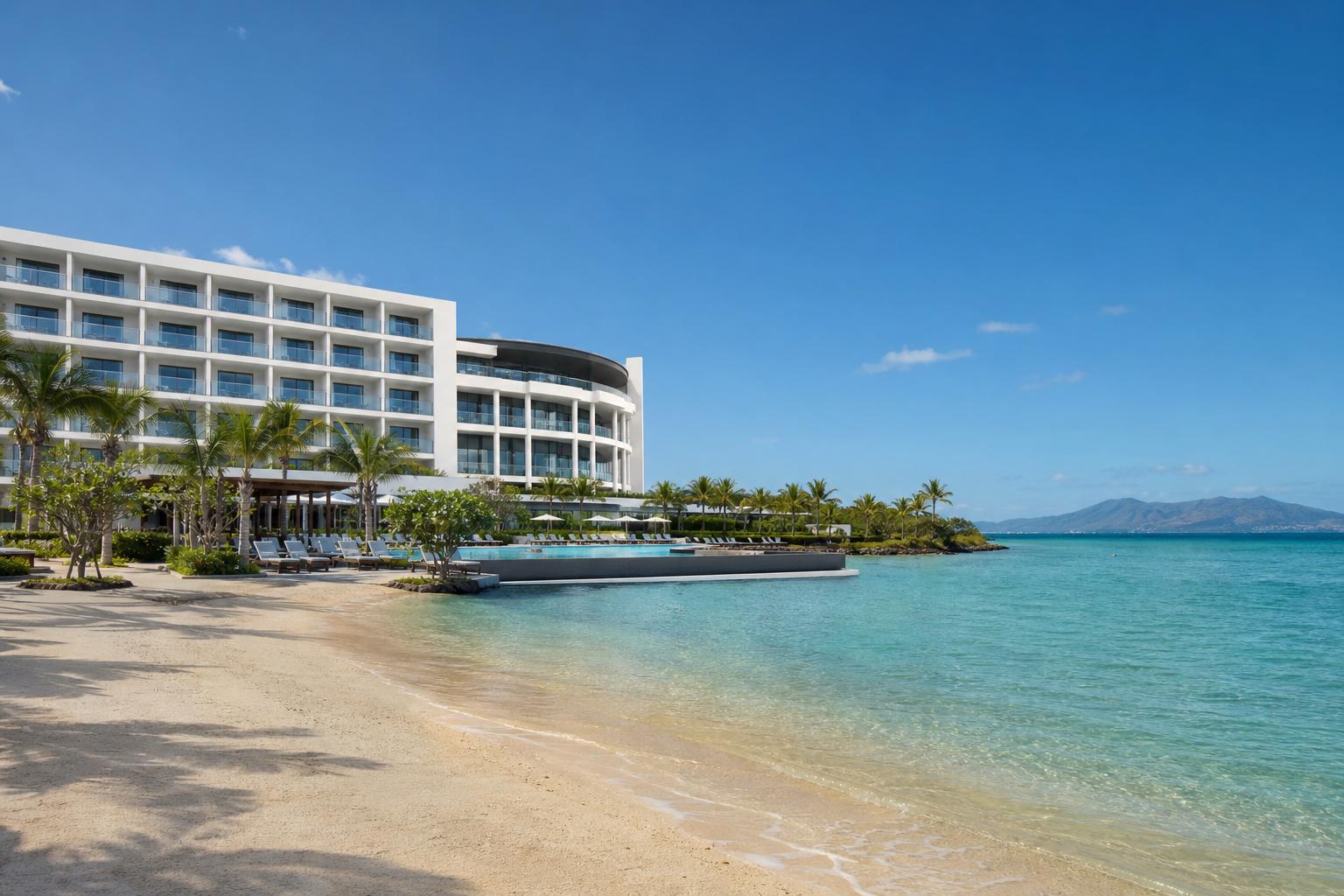
Melia Trinidad Peninsula (often styled Meliá Trinidad Península) is located on the Ancon Peninsula along Cuba’s southern coast in Sancti Spíritus province. It lies a short drive from the historic centre of Trinidad, one of Cuba’s most charming cities and a UNESCO World Heritage Site known for its 18th- and 19th-century architecture, lively plazas, and thriving arts scene. The resort fronts the Caribbean Sea rather than the Atlantic, which typically means calmer waters and classic turquoise hues on clear days.
Being on the Ancon Peninsula gives you quick access to the region’s best beaches, including Playa Ancón, and to the small port of Casilda for boat excursions. Inland, the Escambray Mountains rise behind Trinidad. Within an hour’s drive you can go from sunbathing on powdery sand to hiking to waterfalls in misty forests at Topes de Collantes. Few Cuban resort areas offer that kind of variety in such a compact radius.
Why Choose This Resort Over Better-Known Cuban Spots?
Varadero, Cayo Coco, and Cayo Santa Maria are the household names for Canadian sun holidays. They’re wonderful for pure beach time, but they lack a colonial-era city like Trinidad just down the road. Melia Trinidad Peninsula offers a different balance—excellent beach access paired with rich cultural immersion and day trips that feel meaningful, not just convenient.
Trinidad has a real heartbeat. In the evening, locals and visitors mingle on steps outside music venues, and bands spill horn riffs into the streets. Crafts markets brim with lace, art, and woodwork. You can join a salsa class in a breezy courtyard, then be back at your resort in time to watch the sunset over the sea. If you like your vacations with variety—swimming, snorkeling, historic sites, coffee in quiet plazas, dinner by the water—this location is gold.
Getting There from Canada: Airports, Transfers, and Timing
Most Canadians reach Melia Trinidad Peninsula via international flights to nearby Cuban airports followed by a ground transfer. The two most relevant airports for the Trinidad area are:
- Santa Clara (Abel Santamaría International, SNU) – a common gateway used by Canadian tour operators. From Santa Clara, the drive to the Ancon Peninsula typically takes around 2.5 to 3.5 hours depending on traffic and road conditions.
- Cienfuegos (Jaime González Airport, CFG) – closer in terms of straight-line distance. When seasonal flights operate, transfers can be roughly 1.5 to 2.5 hours. Availability from Canada varies by season and tour operator.
Trinidad has a small local airport (TND), but it does not typically handle international arrivals for Canadian travellers. Most Canadians book a package that includes flights plus ground transfers. Independent travellers can arrange a private taxi, shared shuttle, or bus from Santa Clara or Cienfuegos, but package transfers are usually the easiest and most reliable for first-time visitors.
Airlines and routes shift seasonally. Sunwing and Air Transat frequently serve multiple Cuban airports from Toronto and Montreal, with additional departures from cities like Ottawa, Quebec City, Halifax, and sometimes Western Canada in peak winter. Always confirm the latest schedules; what runs in January may not run in April.
Travel Time and Layovers
From Toronto or Montreal to central Cuba, flights are often in the 3.5–4.5 hour range when nonstop. Some routes involve a stop in Varadero or Santa Clara. Because flight and transfer times add up, try to pick arrivals that land by midday or early afternoon to avoid arriving at the resort too late to unwind.
Best Time to Visit for Canadians
Cuba’s dry season runs roughly November through April. This is prime time for Canadians—comfortable temperatures, lower humidity, and plenty of sun. Expect higher prices during Christmas, New Year’s, and March Break. Shoulder months like late November to mid-December and late April can offer better value with pleasant weather.
Hurricane season is June through November, with higher storm risk from August to October. Resorts operate year-round and offer attractive deals in summer and fall, but travel insurance that covers weather disruptions is smart. If you love warm water and fewer crowds, May and early June can be a sweet spot—just keep an eye on the forecast.
What to Expect at Melia Trinidad Peninsula
Melia Trinidad Peninsula is an all-inclusive beachfront resort managed by Meliá Hotels International, a Spanish hospitality group well known in Cuba and across the Caribbean. The property blends modern resort comforts with the region’s natural setting: long beach frontage, views to the mountains behind, and sunset-friendly horizons. The resort typically offers multiple restaurants and bars, ample pool space, on-site activities, and easy beach access—plus the convenience of being a short drive to Trinidad’s historic centre.
Room categories vary, and may include options like ocean or garden views, larger suites, and rooms closer to the beach or quieter garden areas. As with many Meliá properties, there may be upgraded service tiers that include additional perks, private lounge access, or dedicated sections of the resort. Always review the current room descriptions on the official website or with your tour operator before booking; amenities and categories can evolve as new features open or are refined.
The Beach and Water Conditions
The Ancon Peninsula sits on Cuba’s Caribbean side, which often means gentle swells and excellent swimming conditions when seas are calm. The sand tends to be light and soft, ideal for long walks. Water clarity can be stunning on clear, still days—great for snorkeling right off the beach or during boat trips from the nearby port. Conditions vary with wind and weather, and occasional sea grass is natural in the Caribbean. Resort staff usually groom the shoreline, especially in the morning.
Bring reef-safe sunscreen to protect your skin and the marine environment. Water shoes can be handy for exploring rocky patches or natural sea floors that host shells and coral fragments. If you plan to snorkel, a decent mask and a snug-fitting snorkel make all the difference. While you can often rent gear or join a guided tour, having your own mask means less fuss and a better fit.
Food, Drink, and Dining Expectations
Melia Trinidad Peninsula typically offers a main buffet and several à la carte venues that showcase Cuban, international, and sometimes specialty cuisines. Bars are usually well placed near the lobby, pools, and beach, and an evening lounge or terrace is standard. Expect a mix of tropical fruits, grilled meats, fresh bread, Cuban staples like rice and beans, and made-to-order stations. Coffee is generally robust and satisfying; Cuban espresso has a loyal following.
Supply chains in Cuba can be unpredictable. Resorts do a good job keeping key items in stock, but the occasional shortage isn’t unheard of. If you have dietary restrictions, communicate them early—ideally at booking and again at check-in. Pack key snacks if you need specific items for medical or dietary reasons. For Canadian parents, bringing a few familiar snacks for kids can smooth over fussy moments.
Want to explore beyond the resort? Trinidad has paladares (privately run restaurants) in beautifully restored colonial homes. You’ll find creole dishes, seafood, pork slow-cooked to tenderness, and seasonal produce. Ask the concierge for current recommendations or guides who can pair a city walking tour with a dinner reservation.
Service Culture and Tipping
Service is warm and earnest. Staff appreciate simple Spanish greetings and a smile—hola, por favor, gracias go a long way. Tipping is customary, though amounts are discretionary. A few Canadian dollars for breakfast service, the bar, or housekeeping is thoughtful. Bring small-denomination banknotes; coins are difficult for Cubans to exchange. CAD notes are generally appreciated and practical. If you tip in CUP (Cuban pesos), be aware that exchange rates and purchasing power fluctuate. Tips in banknotes of a stable foreign currency are often more useful.
Budgeting: What a Week Might Cost a Canadian Traveller
Pricing shifts with season, room category, and departure city. As a ballpark, week-long all-inclusive packages at upscale Cuban resorts can range widely—from budget-friendly deals in off-peak months to premium pricing over holidays. Booking well in advance for Christmas and March Break is smart, and shoulder season (late November, early December, late April) can offer solid value while keeping weather pleasant. If you’re travelling from Toronto or Montreal, you’ll usually see the widest selection of packages. West Coast travellers may face longer routes or higher costs due to fewer direct options.
Plan a modest budget for extras not covered by your package: upgraded wines, spa treatments, specialty coffees, private excursions, taxis, and tips. If you’re keen on multiple guided tours—Trinidad’s old town, Topes de Collantes hikes, a catamaran day—build those estimates in. It’s easy to spend more than expected on experiences, and this is the region where spending on experiences actually pays off.
Paying in Cuba: Cards, Cash, and Exchange for Canadians
Official currency in Cuba is the Cuban peso (CUP). However, resorts and tourist services often quote prices in foreign currency equivalents, and card payments in major hotels are common. Key points for Canadians:
- Bring at least one Visa or Mastercard not issued by a U.S. bank. Canadian bank cards typically work at resorts and larger merchants, but connectivity can be spotty. Have a backup card.
- Interac Flash/Interac Debit does not work for point-of-sale purchases in Cuba. Stick with credit cards.
- Carry some cash in small denominations. CAD and EUR banknotes are useful for tipping and small expenses. Avoid relying on coins.
- ATMs are limited. Don’t count on casual ATM withdrawals. Instead, arrive with the cash you need.
- Use official exchange channels if you need CUP. Avoid informal street exchanges.
At Melia Trinidad Peninsula and similar resorts, you’ll often post incidentals to your room and settle by card at checkout. For independent restaurants or taxis in Trinidad, cash is still king. As always, keep your cards and cash split between your day bag and hotel safe.
Connectivity, Electricity, and Other Practicalities
Internet access at Cuban resorts has improved significantly. Melia Trinidad Peninsula typically offers Wi‑Fi throughout main areas and in rooms, though speeds can vary with demand. For mobile data, look into a tourist SIM from Cubacel (Cubacel Tur) sold at airports or online for pickup. Canadian roaming works but can be pricey. Download offline maps before you go and keep essential apps (airline, banking, translation) updated.
Electrical standards in Cuba can vary. Many modern resorts provide 110V and/or 220V outlets, sometimes including multi-standard plugs. A small universal adapter and a compact power bar help charge phones, e‑readers, and camera gear. If you’re bringing a CPAP machine or other medical device, confirm voltage compatibility in advance and request a room near reliable power if possible.
Language-wise, Spanish is the norm, but resort staff typically speak functional English. Learn a handful of Spanish phrases; you’ll be surprised how many doors a simple “Buenos días” opens.
Health, Insurance, and Medications
Travel medical insurance covering Cuba is required for visitors; airlines and tour operators usually remind you. Many Canadian policies include Cuba, but confirm in writing. Carry proof of insurance and know your 24/7 assistance phone number. Bring a well-stocked travel kit: prescriptions in original packaging, over-the-counter pain relievers, rehydration salts, antihistamines, sunscreen, bug repellent, after-sun, bandages, and any personal medical supplies you rely on. Local pharmacies may not carry your exact brands—or any suitable alternative.
Water at major resorts is typically treated, and bottled water is widely available. If you have a sensitive stomach, stick to bottled water for drinking and brushing your teeth. Peel fruits yourself and be cautious with street food if your system is delicate. Sun in the Caribbean is strong; apply broad-spectrum sunscreen liberally and wear a hat and UV shirt for long beach days.
What To Do Beyond the Beach: Trinidad and Its Surroundings
Staying at an all-inclusive like Melia Trinidad Peninsula doesn’t mean you’re stuck on a lounger—unless that’s exactly what you want, in which case, enjoy. The region surrounding the Ancon Peninsula is packed with low-effort, high-reward excursions. These are the standouts worth your time.
Trinidad’s Historic Centre
The historic centre of Trinidad is one of Cuba’s great treasures. Cobblestone streets curl around plazas dotted with palatial homes that sugar barons built generations ago. Many have been converted into museums or cultural spaces. Start at Plaza Mayor, then wander. Pop into the Municipal Museum for local history, or the Romantic Museum for a look at period furnishings and life in the 1800s. If you’re a photography lover, every turn offers a frame-worthy façade, a vintage car, or a street musician mid-song.
Evenings are special here. The steps of Casa de la Música become a live-music amphitheatre. You can take a salsa class in the late afternoon, then let the rhythms carry you from dinner to dancing. Go with a guide on your first visit to learn the stories behind the architecture and get practical tips on where to eat and what to see after dark.
Valle de los Ingenios
A short drive from Trinidad lies the Valley of the Sugar Mills, known as Valle de los Ingenios, a landscape once dotted with sugar plantations that powered Trinidad’s wealth. The Manaca Iznaga estate is a popular stop; climb the tower for countryside views and reflect on the area’s complex history. Some day tours combine the valley with a craft market stop or a visit to a traditional pottery workshop.
Topes de Collantes and Waterfalls
If you’re craving greenery and fresh mountain air, Topes de Collantes in the Escambray Mountains is an easy escape. Well-known trails lead to waterfalls and natural pools—Salto del Caburní is one of the most famous. Trails can be rocky and humid, so bring sturdy shoes, water, and bug repellent. Guided tours are recommended for first-timers; local guides know the best routes, safe swimming spots, and how to time hikes to avoid crowds or heat.
Catamaran Cruises and Snorkeling
From the nearby port at Casilda, catamaran excursions head out to snorkel sites and small offshore keys. The water clarity on calm days makes for vibrant reef viewing—think corals, tropical fish, and that slow, weightless feeling you only get while drifting over a reef. Many tours include lunch and open bar. If you’re used to Canadian lakes, prepare to be slightly astonished by the colour and warmth of the Caribbean.
Scuba Diving
Dive operators in the Trinidad area can introduce you to coral walls, shallow reefs, and small wrecks. With the Escambray Mountains not far away, the underwater topography gets interesting quickly. Even if you’re newly certified, local dive centers are accustomed to working with visitors at different levels. Always check current conditions and verify operator credentials. If you’re a Canadian diver, bring your certification card and logbook; renting gear is possible, but many divers prefer their own mask and computer.
Day Trips to Cienfuegos and Santa Clara
Cienfuegos, the “Pearl of the South,” has a French-influenced layout and an elegant main square. Its seaside promenade and eclectic architecture make for a pleasant day. Santa Clara, further inland, is known for its historic sites related to the Cuban Revolution, including the Che Guevara Mausoleum. If you’re building a multi-stop itinerary around your resort stay, these cities add context and contrast.
Booking Smart: Packages, Rooms, and Add-Ons
Most Canadians will book Melia Trinidad Peninsula as part of a package—flights, transfers, hotel, and often a tourist card included. Packages simplify logistics and can offer strong value, especially in winter. If you’re booking room-only (for instance, as part of a longer Cuba trip), consider how you’ll connect from your arrival airport to the resort and onward to Trinidad’s centre for city time.
Room selection matters. If sunrise coffee on a quiet balcony is your ritual, ask about buildings with morning sun and minimal foot traffic. Beach lovers might prefer to be close to the sand and main pool, while light sleepers may want a room away from nightly entertainment areas. If accessible rooms are needed, request them well in advance and reconfirm a few days before departure.
Planning special occasions? Let the resort know. Birthdays, anniversaries, and vow renewals are frequent here, and staff do their best to accommodate special touches when told ahead of time.
Weather, Packing, and Beach Hacks
Weather on the Ancon Peninsula trends warm year-round. During the dry season (roughly November–April), expect comfortable days and pleasantly cooler evenings. In summer, it’s hot and humid, with the chance of afternoon showers or storms. Sea temperatures are swimmable throughout the year, warmer from late spring through fall.
Packing for a Canadian escaping winter: bring light, breathable clothing, a hat, sunglasses with good UV protection, plenty of reef-safe sunscreen, and an extra swimsuit so one can dry while you wear the other. A lightweight long-sleeve shirt helps at midday on the beach. Add a small dry bag for boat trips, a reusable water bottle, insect repellent for evenings or mountain hikes, and any snorkelling gear you love. If you’re sensitive to noise, a simple sleep mask and earplugs can be a small luxury that pays off.
Safety, Etiquette, and Responsible Travel
Cuba is widely regarded as one of the safer Caribbean destinations. Petty theft can occur, as it does everywhere, so keep valuables locked in your room safe and avoid leaving phones or cameras unattended on the beach. Stick to licensed taxis or pre-arranged transport when heading into Trinidad at night.
Local laws are strict on drugs, and penalties can be severe. Drones face restrictions; bringing one into Cuba can lead to confiscation or complicated paperwork. Check current regulations before you pack anything that could be considered restricted. Be cautious when photographing military or police installations.
Respect local customs. Cubans are warm, social, and proud of their culture. Modest dress is appropriate in churches and official buildings. Public displays of affection are common and, in tourist areas, LGBTQ+ travellers generally find welcoming spaces—though discretion is appreciated in more traditional settings.
Thinking of supporting local communities? Consider dining at paladares, hiring licensed local guides, and buying directly from artisans. If you want to donate supplies, avoid ad-hoc handouts on the street. Ask the resort or a reputable guide about schools or clinics that accept organized donations so items reach those who need them most.
Money-Savvy Tips Specific to Canadians
Returning to Canada comes with customs allowances that change based on how long you were away. If you plan to bring back rum, coffee, or cigars, check the Canada Border Services Agency (CBSA) website for the current duty-free personal exemptions and keep receipts for high-value purchases. For cigars in particular, Cuban regulations and store policies can shift; buying from official shops and retaining proof of purchase is the safest path.
Use your credit card for big expenses at the resort and keep a cushion of CAD banknotes for taxis, tips, and small purchases. Split your funds between your day wallet and the room safe, and photograph the back of your credit card so you can call the issuer if needed. Notify your bank of travel dates to avoid automated fraud blocks. Many Canadian cards have robust travel alerts you can set in-app.
Accessibility and Special Needs
Modern Cuban resorts, especially newly built or recently opened properties like Melia Trinidad Peninsula, generally include accessible features: ramps in public areas, ground-floor rooms, and adapted bathrooms in some categories. That said, accessibility standards and room inventory can vary. If mobility needs are specific—roll-in showers, bed height, path widths—confirm details in writing before booking. Bring any personal mobility aids you rely on, as renting specialized equipment locally can be challenging.
Sample Itineraries: Make the Most of a Week
Five-Day Stay
- Day 1: Arrive, check in, decompress. Walk the beach at sunset and get your bearings around the resort.
- Day 2: Morning beach and snorkel, afternoon into Trinidad for a guided walking tour. Dinner at a paladar, live music afterward.
- Day 3: Catamaran day to snorkel sites and a quiet key. Back to the resort for a relaxed evening.
- Day 4: Topes de Collantes hike to a waterfall. Early evening by the pool, then an à la carte dinner.
- Day 5: Beach time, souvenir shopping in Trinidad, pack, and an unrushed farewell dinner.
Seven-Day Stay
- Day 1: Arrival and resort reset. Early night if you had a long transfer.
- Day 2: Settle into a beach routine. Try kayaking or a paddleboard if available. Book your à la carte dinners for later in the week.
- Day 3: Trinidad deep dive: museums, architecture, coffee on a plaza. Golden hour photography and night music.
- Day 4: Valle de los Ingenios and Manaca Iznaga tower. Lunch in the countryside, back for pool time and a sunset walk.
- Day 5: Full-day catamaran or two-tank scuba dive. Recover with a spa treatment or a long swim.
- Day 6: Topes de Collantes waterfalls and viewpoints. Quiet evening at the resort with a late dessert and stargazing.
- Day 7: Free day: beach books, naps, and your favourite restaurant revisit. Pack with time to spare.
Comparing Melia Trinidad Peninsula to Other Cuban Beach Hubs
How does Melia Trinidad Peninsula stack up against Varadero and the northern cays? If you want the longest strand of white sand with easy airport access, Varadero still reigns. If you prefer postcard-perfect islets with minimal towns and a “resort bubble” feel, Cayo Coco and Cayo Santa Maria deliver. Melia Trinidad Peninsula occupies a unique middle ground: a genuine city with UNESCO credentials just minutes away, a dramatic mountain backdrop for hiking, and a Caribbean shoreline that can be calmer and less windy than the Atlantic-facing north coast. For travellers who measure vacations in memorable moments rather than sheer beach mileage, Trinidad’s mix is hard to beat.
Common Mistakes—and How to Avoid Them
- Assuming your card will always work: Wi‑Fi or power blips happen. Carry a backup card and some cash.
- Underestimating the sun: Canadian winters sap your sun-sense. Start with shorter sessions and ramp up. Wear a hat and UV shirt.
- Bringing coins for tips: Stick to banknotes. Coins are tough to exchange.
- Overpacking shoes: You need sandals, one pair of walking shoes, and maybe water shoes. That’s it.
- Skipping Trinidad at night: The city’s evening vibe is a highlight. Go at least once for music and dinner.
- Waiting to book excursions until the last minute in peak weeks: Reserve early for the catamaran and popular hikes.
- Ignoring travel insurance: Weather and medical issues are rare but real. Proper coverage is essential for Cuba.
Sustainability and Cultural Respect
Tourism matters in Trinidad and the Ancon Peninsula. Choose tours that employ local guides, eat at family-run restaurants when you head into town, and buy souvenirs directly from artisans. Keep beaches clean—pack out anything you bring in—and use reef-safe sunscreen. If you love photography, ask before taking close-up portraits. Many people are happy to say yes if you ask politely and share a smile.
Realistic Expectations: A Note on Cuba’s Quirks
Cuba offers beauty, hospitality, and a different pace of life. Melia Trinidad Peninsula is designed to give you comfort and convenience, but the country’s infrastructure can show uneven edges—intermittent product availability, occasional power or Wi‑Fi hiccups, and logistics that take the scenic route. If you travel with patience and curiosity, these quirks fade into the background of beach days, mountain air, and the warmest of evenings in a city that sings.
Final Thoughts: Who Is Melia Trinidad Peninsula For?
If you’re a Canadian who wants more than a lounger-and-buffet loop, Melia Trinidad Peninsula is a compelling choice. It’s for travellers who like beaches but also want to wander historic streets, sip coffee in courtyards, and maybe trade a day of sun for a hike to a waterfall. It’s for couples who want romance with a side of culture, families who want easy beach days and kid-friendly outings, and friend groups who appreciate a great catamaran day followed by live music on a plaza older than Canada itself.
Put simply: it’s a resort with a city and mountains attached. That’s a rare combination in the Caribbean—and a strong reason the name Melia Trinidad Peninsula keeps popping up in Canadian travel wish lists.
FAQ: Melia Trinidad Peninsula and Trinidad, Cuba
Where is Melia Trinidad Peninsula located?
On the Ancon Peninsula near Trinidad, in Sancti Spíritus province on Cuba’s southern coast. It fronts the Caribbean Sea and is a short drive from Trinidad’s UNESCO-listed historic centre.
How do I get there from Canada?
Most travellers fly to Santa Clara (SNU) or, when available, Cienfuegos (CFG), then take a ground transfer of roughly 1.5–3.5 hours. Tour packages from Canadian cities typically include transfers.
Is Melia Trinidad Peninsula all-inclusive?
Yes, it operates as an all-inclusive resort under Meliá Hotels International. Inclusions vary by package. Confirm details with your tour operator or the official site before booking.
What’s the best time of year to visit?
November through April is the dry season with pleasant temperatures. Peak pricing hits at Christmas, New Year’s, and March Break. Late April and late November can offer good value with nice weather.
How does it compare to Varadero or Cayo Coco?
Varadero and the northern cays excel at long beaches and resort selection. Melia Trinidad Peninsula trades sheer size for proximity to Trinidad’s historic centre, mountain hikes, and south-coast calm.
What currency should I bring?
Bring at least one non-U.S.-issued Visa or Mastercard and some CAD banknotes in small denominations for tips and small purchases. Use official exchange channels if you need CUP. Avoid coins for tipping.
Do Canadian debit cards work?
Interac Debit generally does not work for point-of-sale purchases in Cuba. Credit cards are the reliable option at resorts and larger merchants.
Is Wi‑Fi available at the resort?
Resort Wi‑Fi is typically available throughout the property, though speeds can vary. For mobile data, look into the Cubacel Tur tourist SIM. Download offline maps before you travel.
Is it safe to visit Trinidad in the evening?
Trinidad is considered relatively safe, especially in tourist areas. Use common sense: licensed taxis, modest valuables, and a comfortable pace. Live music on the plaza steps is a classic evening outing.
Are there good day trips from the resort?
Yes. Topes de Collantes for waterfalls and hiking, Valle de los Ingenios for history and views, catamaran snorkel trips from Casilda, and day visits to Cienfuegos or Santa Clara.
What should I pack that I might not think of?
Reef-safe sunscreen, a lightweight long-sleeve UV shirt, water shoes, a small dry bag for boat days, a universal adapter, spare prescription meds, and small-denomination CAD banknotes for tips.
Can I bring cigars and rum back to Canada?
Yes, within CBSA personal exemptions depending on trip length. Check the latest CBSA rules and keep receipts for cigar purchases from official shops.
Is travel insurance required?
Yes, Cuba requires visitors to have travel medical insurance. Carry proof and confirm your policy covers Cuba specifically. Consider trip interruption coverage, especially in hurricane season.
Is the water safe to drink?
Bottled water is the safest choice for drinking and brushing teeth. Resorts provide bottled water; stick with that if you have a sensitive stomach.
Will my Canadian power plugs work?
Resorts may have a mix of 110V and 220V outlets. Bring a compact universal adapter and check your device voltage. A small power bar can simplify charging multiple devices.