










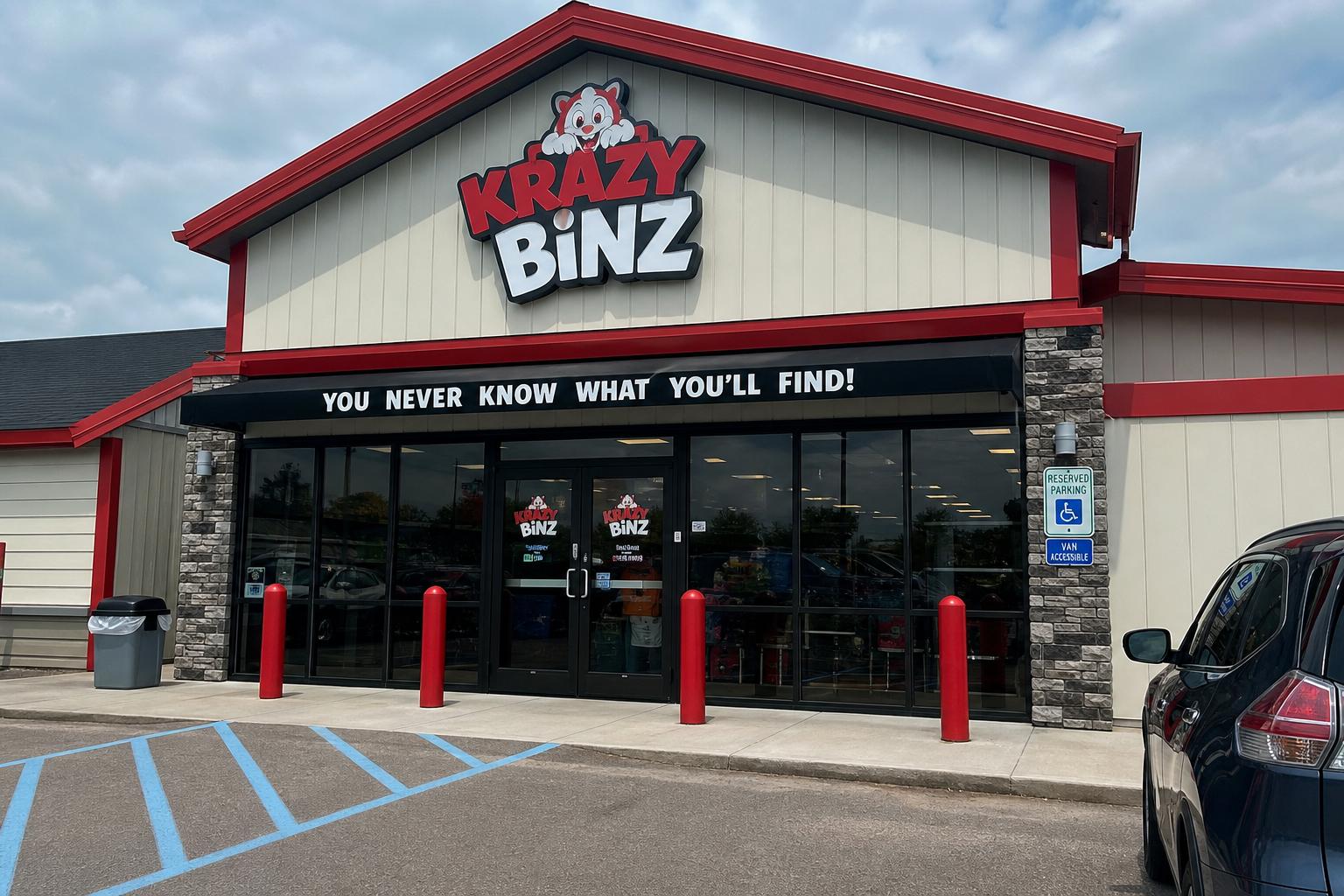
Krazy Binz in Canada: How It Works, What to Expect, and Smart Strategies to Score Real Deals
Walk into a Krazy Binz location on restock day and the energy feels a little like an auction and a little like a treasure hunt. Bins brim with mystery boxes and open-stock surprises, shoppers hover with carts or IKEA-sized bags, and a rotating price drops day by day until almost everything is a few bucks or less. If you’ve ever wondered why people line up early in the cold for a chance to dig, this in-depth guide will show you what draws Canadians to krazy binz-style shopping—and how to make it work to your advantage, whether you’re just looking for a stellar deal or planning to resell for profit.
Below, you’ll get a clear picture of how krazy binz stores operate in Canada, how pricing usually works, what rules and etiquette matter, and how to evaluate items quickly. You’ll also find practical tips tailored to Canadian realities—taxes, consumer protections, recall checks, and even winter line-ups—and a grounded look at whether this style of bargain hunting is truly worth your time. No hype, no fluff, just the details you need to shop with confidence.
What Is Krazy Binz? A Canadian Take on the Bin Store Phenomenon
Krazy Binz is part of a growing wave of “bin stores” in Canada. The model is simple: bulk merchandise—often retail returns, overstock, shelf pulls, and damaged-box goods—gets sorted into large bins. Shoppers pay a flat price per item that starts higher on restock day and drops each day afterward until the next weekly reset. You’re not buying by weight or negotiating at the register; the day’s price applies to nearly everything in the bins.
Inventory typically includes a cross-section of modern retail life: small appliances and kitchen gadgets, Bluetooth accessories, toys, beauty tools, craft supplies, home improvement odds and ends, office gear, pet accessories, seasonal items, and sometimes shoes or apparel. Many boxes are still sealed; others are open-box or repacked. You’ll see familiar brands mixed with off-brand items, private labels, and occasionally niche or discontinued products that you won’t find on big-box shelves anymore.
The appeal is straightforward: you might pull a $150 electric toothbrush or a $300 smart home device for a fraction of the original price. The trade-off? Selection varies, quality is mixed, and you have to be comfortable with the “as-is” nature of liquidation. That’s the thrill for many regulars—finding value by spotting gems others miss.
How Krazy Binz Typically Works in Canada
Every store tweaks its rules and schedule, but the broad pattern is recognizable across Canadian cities. A fresh load of inventory drops on a designated day each week. That day commands the highest flat price. Prices then drop daily until the final day when items can be just a few dollars—or even $1. Then the cycle resets with a new truckload.
Lineups are common on the first one or two days after restock, especially in larger cities or suburban sites near major retail parks. To keep things fair, many bin stores use wristbands or tickets to control entry, set time limits in the first hours, and manage capacity. Staff enforce rules about opening boxes, testing electronics, and how many items you can carry at once. It’s organized chaos with a system beneath it.
The Price-Drop Cycle: Example Only
Do not assume exact prices—check your local store’s social feed or signage. That said, here’s a typical pattern many Canadian shoppers report seeing at krazy binz-style stores:
| Day | Example Flat Price Per Item | What to Expect |
|---|---|---|
| Restock Day (e.g., Friday) | $20–$25 | Highest chance of scoring premium electronics, sealed small appliances, trendy gadgets. |
| Day 2 (e.g., Saturday) | $15–$20 | Still strong selection; crowds persist; staff continue to refill bins from the back. |
| Day 3 (e.g., Sunday) | $10–$15 | Value shifts to mid-range goods, accessories, household items. |
| Day 4–5 (e.g., Mon–Tue) | $5–$8 | Bargain territory: cables, tools, décor, beauty tools, crafting, pet items. |
| Final Day (e.g., Wed/Thu) | $1–$3 | Great for bulk smalls, donations, parts harvesting, and low-risk impulse buys. |
Some stores flip the calendar, start restock midweek, or run pop-up “bonus drops.” Prices can also differ in higher-cost markets. The rhythm remains: new load, high price, daily drop, clear-out, repeat.
Entry, Lines, and Time Limits
On hot drops, expect a line well before opening. Stores often hand out numbered wristbands or tickets to prevent cuts and stampedes. Early sessions may be capped at a set shopping window—say, 45 minutes—so more people can get a turn. After the peak, most locations loosen up. If you’re driving from out of town, check the store’s official Facebook or Instagram for the day’s specifics—hours, session limits, and any weather-related changes.
Kids are usually welcome, but the environment can be hectic and crowded. Strollers might be restricted during the busiest sessions for safety. Many stores ask you to bring your own bags and limit the number of large items you can stage at once to keep aisles clear.
Rules and Etiquette You’ll Actually See Enforced
Liquidation stores need guardrails to keep the process fair and safe. Krazy binz locations commonly enforce:
- No opening sealed boxes unless a staff member approves and cuts the tape. This keeps packaging intact and prevents part-swapping.
- All sales final. No returns, exchanges, or store credits.
- No hoarding or “bin camping.” If you’re not actively deciding, put items back promptly.
- Limit on how many “hold table” or large items you can reserve at once.
- Testing allowed only at a designated station with staff supervision, if available.
- No aggressive behaviour, filming people without consent, or blocking aisles.
Good etiquette matters. If you abandon items, return them to a bin gently. If you change your mind at checkout, hand the items to a cashier or staffer instead of dumping at the exit. Everyone gets better deals when the store runs smoothly.
Payment, Taxes, and Receipts
Most Canadian bin stores accept debit and credit; some accept cash. Tap works, though a few places set limits for tap-only transactions. Don’t count on Apple Pay or Google Pay everywhere. Receipts are provided, but they won’t help with returns—they’re mainly for your records (and for resellers, tax tracking).
Taxes apply just like any other retail sale in Canada. Expect GST/HST and, where applicable, provincial sales tax. As a refresher:
- Alberta, NWT, Nunavut, Yukon: 5% GST
- British Columbia: 5% GST + 7% PST
- Saskatchewan: 5% GST + 6% PST
- Manitoba: 5% GST + 7% PST
- Ontario: 13% HST
- New Brunswick, Newfoundland and Labrador, Nova Scotia, Prince Edward Island: 15% HST
- Quebec: 5% GST + 9.975% QST
Occasionally you’ll see tax-included flash events, but the default is standard tax at the till. Government levies like the federal Environmental Handling Fees on certain electronics or provincial eco-fees can apply if the item category qualifies.
What You Can Actually Find in the Bins
Part of the allure is unpredictability. Still, patterns emerge week after week. If you shop a few cycles, you’ll start to recognize which categories tend to be plentiful and which items stand out as winners—or red flags.
Electronics are the magnet for many shoppers: headphones, earbuds, power banks, USB hubs, wireless chargers, smart bulbs, dash cams, streaming dongles, bike computers, and the occasional big-ticket piece like a router or robot vacuum. Packaging ranges from pristine to rough. Learn to read the signs: factory tape vs. retaped seams, original inner bags vs. loose parts, serial number stickers intact vs. removed.
Small appliances and home goods are the other big draw. Think air fryers, sous-vide sticks, stick vacuums, garment steamers, heated blankets, coffee grinders, water filters, LED strips, organizers, and storage solutions. Expect some box bruises. Test for obvious cracks, missing accessories, or wrong-voltage models intended for other markets.
Toys and games arrive in waves—board games, STEM kits, RC cars, building sets. Look for sealed shrink-wrap and intact security seals. Count pieces only if packaging shows a clear diagram and staff allow it at a testing table. Card games are common, but counterfeits exist in the broader market; buy recognizable brands from reputable publishers when possible.
Hardware and DIY bins hide treasures: drill bit sets, LED work lights, smart thermostats, paint sprayer parts, cabinet pulls, and fixtures. These can be fantastic value on midweek prices, especially if your home project list is long.
Beauty, wellness, and personal care show up frequently: hair tools, epilators, massage guns, electric toothbrush heads, and skincare devices. Inspect for hygiene seals and expiry dates where relevant. Open or used consumables belong back in the bin, not in your basket.
Apparel and footwear appear inconsistently. If you find performance socks, technical gloves, ski goggles, or winter accessories on a low-price day, you can kit out the whole family for cheap. Always check for size, defects, and mismatched pairs before you queue for checkout.
Real-World Strategies to Win at Krazy Binz
If you show up and just grab anything that looks expensive, you’ll come home with a mixed bag and a nagging feeling you missed the good stuff. The better approach: use a plan that fits your goal—household savings, gifting, or flipping.
Timing Tactics by Day
Restock day is about premium hits. If you want a shot at sealed small appliances or higher-end electronics, this is when to line up. Be disciplined: know your target categories in advance, scan quickly, and head straight to testing or verification rather than wandering. Accept that you’ll pay the week’s top price.
Day two or three often has the best balance of price and selection. Crowds thin slightly, and staff keep refilling from back stock. If you’re equipping a kitchen, office, or workshop, this window is ideal—especially if you can visit early when fresh bins roll out.
Final days are perfect for bulk stocking: USB-C cables, filters, craft supplies for classrooms, hardware for rentals, and donation-friendly items. Consider charities, mutual aid groups, or shelters that need new socks, gloves, or small home essentials. A $1–$3 day can stretch a community budget a long way.
Tools That Pay for Themselves
A phone with data is your best edge. Three quick checks can save you from duds:
- Barcode scanning: Use Amazon, eBay, or Google Lens to confirm model numbers and market value. On eBay, tap “sold” filters to see real sale prices in Canada. If retail is $60 but recent solds are $24, don’t pay $20 on restock day unless it’s for personal use.
- Certification check: For electronics, look for CSA, cUL, or ETL listed marks. Avoid items with only foreign certifications or mismatched voltage stickers. Canadian-approved markings reduce safety risk and resale headaches.
- Recall and safety: When in doubt, search the Government of Canada Recalls and Safety Alerts database. If an item or brand is flagged, leave it. Bookmark healthycanadians.gc.ca or canada.ca/recalls for fast lookups.
Bring a compact toolkit: a small power bank, USB-A and USB-C cables, a tape measure, spare AA/AAA batteries, and a multitool. Some stores don’t allow blades, so don’t assume you can cut packaging; ask staff before opening anything.
Inspection Checklist That Works Under Pressure
In a crowded bin store, you have seconds to decide. Use a simple pass/fail routine:
- Packaging: Factory seal intact? If retaped, is it the store’s own tape with a check sticker? Is the model number on the box exactly the one you scanned?
- Completeness: For multi-part items (coffee machines, blenders, routers), quickly peek for manuals, power bricks, mounting hardware, and remote controls. Missing proprietary cords can kill a deal.
- Condition: Inspect plastics for hairline cracks, water ingress, or scorch marks. On textiles, check seams and zippers. For tools, ensure chucks and switches move smoothly.
- Fit and compatibility: Verify thread sizes, bulb bases (E26 vs. E12), plug types, and filter models. For HVAC or water filters, wrong fit equals wasted money.
- Smell test: Strong chemical or smoky odours can indicate prior use or contamination. That’s usually a pass.
At the testing station, do the basics: power on, connect to Bluetooth or Wi‑Fi if relevant, and run a quick function test. If the product needs an app, see if the pairing process begins. No pairing? Walk away unless you’re confident it’s user error and not a lockout.
For Families and Everyday Shoppers
Shop with a shared list and a budget cap per person. It’s easy to get caught in the “it’s only $5” spiral. The better measure is value per use—will you actually open and use the item next week? If not, that $5 is better held for something you will use.
Think seasonally. In September, look for lunch containers, study lamps, and backpack accessories. In late November, target giftable gadgets, craft kits, and stocking stuffers. Early spring brings outdoor gear, bike accessories, garden tools, and patio lights.
For Side Hustlers and Resellers
Krazy binz can be a profitable sourcing ground, but you need discipline. Focus on small, shippable SKUs with stable demand—brand-name ink, sealed filtration, rare but verifiable electronics, and accessories with low return risk. Avoid fragile items that bleed profit in packaging or arrive damaged.
Track your after-fee net, not your “find.” Deduct platform fees (eBay, Facebook, marketplace promotions), shipping, packaging, and taxes. If you’re approaching or expecting more than $30,000 in taxable supplies in a 12-month period, read up on the GST/HST small supplier threshold. Registering for GST/HST means you’ll charge tax on sales and can claim input tax credits; the right move depends on your volume and margins. If you sell into provinces with PST/QST rules for small businesses (BC, SK, MB, QC), check if registration applies to you based on your situation.
Most importantly, source ethically. Don’t strip bins to hoard and relist junk. Buy items you understand, test thoroughly, and describe accurately. Returns may not exist at the bin store, but your buyers expect honesty.
Safety, Legality, and Consumer Rights: The Canadian Context
Krazy binz shopping is “as-is,” but that doesn’t mean anything goes. Canada has consumer protections, safety standards, and recall mechanisms that every bargain hunter (and reseller) should respect.
Electrical products should display recognized certification marks for Canada. CSA, cUL (UL with a small “c”), and ETL (with “c” and “us” marks) indicate testing to applicable standards. Products intended only for other markets can have incompatible voltage or lack required safety warnings. That’s not just a nuisance; it can be a hazard.
Health Canada monitors and publishes recalls. Before buying baby gear, children’s sleepwear, car seats, and certain cosmetics or health devices, consider a quick recall search. Car seats are particularly sensitive: they have strict expiry dates, may be invalid after a collision, and reselling them without full history is risky. When in doubt, don’t.
For connected devices, think data. Returned Wi‑Fi cameras, baby monitors, routers, and smart speakers might contain old credentials. If you buy them, perform a full factory reset before use. For phones and tablets, check IMEIs for blacklists if you ever encounter them, though most bin stores avoid carrier-tied devices entirely.
“All sales final” is common and typically enforceable at liquidation stores, especially with signage. Provincial sale-of-goods legislation allows sellers to limit warranties on used or as-is goods, but not to misrepresent what’s sold. If you see counterfeit branding or a safety concern, raise it with staff; reputable stores want non-compliant items out of circulation.
How Krazy Binz Compares to Other Bargain Options
Thrift stores excel at apparel and housewares, but new-in-box gadgets are rare. Big-box clearance aisles have predictable warranties and returns, but discounts are thinner. Online marketplaces let you cherry-pick, yet competition raises prices and counterfeits lurk.
Krazy binz sits in the middle. You give up returns and guarantees to access a pool of brand-new or nearly new goods at flat prices that can undercut traditional clearance. The model rewards fast decisions, basic product knowledge, and comfort with minor risk. If you hate crowds, prefer warranties, or want a specific model, a bin store won’t beat a targeted online deal. If you love surprises and know how to evaluate value on the fly, it’s tough to beat.
Planning a Trip: Before You Go
The best shoppers prep in ten minutes or less. Start with the store’s official social pages. Most krazy binz locations post restock schedules, sneak peeks, and occasional rules changes. Glance at comments to gauge line length and how quickly bins turn over on different days and times.
Check the weather. In January in the Prairies, a -25°C wind chill can make a 45-minute line dangerous if you’re underdressed. Wear proper boots and gloves, and bring a hot drink. In summer, a hat and water bottle help if the line stretches outdoors. Some stores move to a numbered check-in system during extreme weather—watch for those updates.
Pack light. A crossbody bag leaves both hands free. Bring your own reusable bags or a foldable tote; a small rolling cart works if the store allows it. Keep valuable items at home; you’ll be reaching into bins and moving through tight spaces.
Is Krazy Binz Worth It? A Candid Look
Value is personal, but a few rules of thumb help. If you’re shopping for household basics and have a flexible list, you’ll likely come out ahead on a midweek trip. If you’re targeting a specific camera model or espresso machine, prepare to be disappointed; inventory is luck of the draw.
Time is a cost. If a two-hour round trip plus 90 minutes in-store saves you $60 on things you truly need, that’s a win. If you buy five weird gadgets you’ll never use because they “felt like a deal,” you didn’t save—you spent.
For resellers, profits live in repetition and process. One great flip doesn’t build a business. Ten reliable SKUs you understand—filters, chargers, sought-after parts—can. Bin stores can supply those once you learn your local patterns. Track everything, and don’t be afraid to walk out empty-handed.
Sustainability Angle: More Than a Bargain
Liquidation channels keep returns and overstock out of landfills. That alone is a quiet win. When you repair, repurpose, or donate finds, you extend product lifecycles further. If you buy something that isn’t right for you, rehome it—don’t let it linger in a closet. Local Buy Nothing groups, shelters, and school programs welcome many new, useful items.
Be mindful, though: buying excess because it’s cheap still consumes resources. Shop with intent, not just curiosity. The planet and your budget will both fare better.
Regional Notes for Canadian Shoppers
Urban stores in busy retail corridors generate heavier early-week traffic and faster churn. Smaller-city locations may have thinner crowds but also smaller truckloads. If you’re traveling between cities, note that rules and price ladders can differ even within the same banner. Always read the posted signs; don’t assume yesterday’s rules carry over.
Accessibility varies. Some sites are in older buildings with tight aisles. If you need accommodation, phone ahead to ask about entry procedures, mobility clearance, or early access. Staff at well-run stores handle these requests with care when they know in advance.
Language and labeling can be a factor. Products designed for other markets might lack bilingual packaging or Canadian-compliant manuals. For personal use, that’s an inconvenience; for resale in Quebec or nationwide, it can be a barrier. Factor that into your sourcing decisions.
Krazy Binz vs. “Crazy Bins” and Other Lookalikes
Names in the bin-store world can blur—“Krazy Binz,” “Crazy Bins,” and other variations pop up across North America. They are not all the same company. Policies, quality control, and pricing differ. When people recommend or slam a store online, make sure they’re talking about the exact location you plan to visit. Rely on that store’s official announcements and recent customer comments to set expectations.
Advanced Tips: How to Move Faster Without Missing Details
Speed reading boxes is a learned skill. Focus your eyes on model numbers, wattage, and certification logos first. Skip marketing buzzwords. If you can’t verify value in 20 seconds, put it back and move on; indecision costs opportunities elsewhere in the bin.
Bundle smart. On low-price days, assemble themed sets for gifts—coffee grinder + reusable filters + scoop, or art set + brushes + sketchbooks. Individually they’re modest; together they become a polished present for a tiny budget.
Use a “two-stage cart”: a must-keep pile and a maybe pile. Before checkout, re-evaluate the maybes with your scan data. Drop anything with a thin margin or weak personal need. That last filter step is where a lot of savings appear.
Common Pitfalls and How to Avoid Them
Big box, small brain: huge packages draw attention but can be low value. A $20 giant novelty item that ends up in your garage is not a steal. Meanwhile, a $5 pack of name-brand water filters can be a $40 win.
Accessory traps: buying cameras, projectors, or specialty devices missing remote controls or proprietary cables. If you can’t source the missing piece cheaply, skip it.
Counterfeit shadows: popular categories like gaming controllers, memory cards, or high-end skincare suffer from fakes in the broader market. In bin stores, stick to trusted brands, verify packaging quality, and be skeptical of “too good to be true” deals.
Testing and Troubleshooting on the Spot
If a testing station exists, plug in and verify power. For Bluetooth audio, pair with your phone and test left/right channels at low volume. For lights and bulbs, check colour temperature and flicker. For kitchen appliances, listen for grinding, rattling, or burnt smells. Minor cosmetics are fine; functional flaws are not.
When no testing is possible, downgrade your price ceiling. If you’re on a $10 day and can’t test, treat the item as a $5 risk. That mental discount weeds out marginal buys and keeps regret small.
Buying for Gifts Without Regret
Gifting from a bin store is totally viable if you target sealed items with universal appeal. Brand-new headphones, chargers, quality desk lamps, craft kits, and board games fit the bill. Avoid products that require registration, subscriptions, or finicky app setups unless you can pre-test everything thoroughly.
Presentation helps. Even the best bin find can look rough if the box is dented. Consider removing the item, recycling the battered packaging, and gifting it in a clean gift bag with printed instructions from the manufacturer’s website.
For Educators, Non-Profits, and Community Groups
Low-price days are gold for classroom makerspaces, after-school programs, and community workshops. Stock up on extension cords with surge protection markings, USB power supplies with Canadian certification, and craft or STEM kits with clear instructions. Keep receipts for grant reporting and verify safety info if kids will use the items.
Reach out to your local store. Some locations are open to coordinating donation days or letting community groups know when education-friendly stock is heavy. A polite message can go a long way.
Staying in the Loop Without Living Online
Not everyone wants to monitor social media comments. Set simple habits: follow the store page, turn on notifications for new posts only, and mute comments. Check just before restock days and when you plan a visit. If the store maintains an email list or posts stories with sneak peeks, those are often less noisy than comment threads.
When a post shows “mystery boxes” or “premium electronics drop,” assume higher crowds. If you’re crowd-averse, shift to late afternoons on day two or midweek mornings.
What Staff Wish Shoppers Knew
Staff didn’t break your item. They also didn’t choose what came on the truck. They’re juggling safety, line management, and endless “can you open this for me?” requests. A quick, respectful question gets you further than frustration. If you see policy inconsistencies, ask for the manager politely; many will explain the reasoning or help you find a fair solution.
The fastest way to earn goodwill? Put items back properly, follow the box-opening rule, and keep aisles clear. Bin stores rely on speed and flow. Your cooperation improves both.
Traveling to Another City’s Store? Do This First
Call ahead. Confirm hours, the current price day, and any special events. Ask about parking and nearby construction—arriving to find a closed lane or a special event clogging the lot can waste half your day.
Plan a loop. Pair your visit with other errands or thrift routes. If the bin store is a miss that day, your trip still feels worthwhile.
Krazy Binz Myths, Debunked
“Everything is broken.” Not true. Plenty of items are new or cosmetically imperfect but fully functional. Yes, there are duds—your job is to filter.
“Only resellers get deals.” Regular families clean up on midweek prices. Bulk basics and household items are the sleeper wins.
“It’s the same as buying a pallet.” Pallet buying is riskier and more capital-intensive. Bin shopping lets you pick individual items, which lowers risk per purchase.
A Quick Word on Hygiene and Cleanliness
Returned items can be dusty or handled. Bring hand sanitizer or wipes, especially if you’re testing. For textiles, wash before use. For hard goods, a wipe-down with a mild cleaner makes most items feel like-new. If something appears used or unsanitary, return it to the bin and notify staff so they can remove it.
Checklists You Can Screenshot
Pre-Trip
- Check store’s restock day and today’s price tier
- Dress for the weather; bring reusable bags
- Charge phone; pack cables and a power bank
- Budget cap and target categories set
In-Store
- Scan barcodes for value and model verification
- Look for CSA/cUL/ETL marks on electronics
- Quick inspect for completeness and damage
- Use testing station if available
- Re-sort “maybe” pile before checkout
Closing Thoughts: The Joy and Discipline of the Hunt
Krazy binz shopping is equal parts strategy and serendipity. On a lucky day, you’ll score a premium gadget for coffee money. On an average day, you’ll still leave with sensible household upgrades at prices that beat ordinary clearance. The difference between a great outcome and a shrug often comes down to preparation: know your categories, show up on the right day, and verify before you buy.
If you like the idea of letting the market surprise you—and you don’t mind rolling up your sleeves—this style of shopping fits. Start on a midweek price, learn the rhythm of your local store, and set clear rules for yourself. With that approach, “krazy binz” becomes less about chaos and more about smart, sustainable value.
FAQ: Krazy Binz in Canada
Below are straight answers to the questions Canadians ask most often, based on typical bin-store practices. Always check your local store’s current rules and prices.
How does krazy binz pricing work?
Most locations use a weekly cycle: restock day has the highest flat price per item, then the price drops daily until a low “clear-out” day. Exact prices and days vary by store and city.
What can I bring into the store?
Reusable shopping bags are usually fine. Large backpacks may be restricted during peak hours. A phone, tape measure, and small power bank are helpful. Ask staff before bringing a rolling cart or stroller during the first session.
Can I open boxes?
Not on your own. Staff will open sealed boxes upon request and check contents with you. This prevents tampering and keeps things orderly.
Are returns or exchanges allowed?
No. Sales are typically final. Inspect and, if possible, test before you buy. Treat higher-priced electronics as higher-risk and double-check them accordingly.
Do they accept debit and credit? Is cash required?
Most stores accept debit and credit. Cash is often accepted but not required. Some locations may have card minimums or prefer debit—check posted signs.
What taxes will I pay?
Standard Canadian sales taxes apply: GST or HST, plus provincial sales tax in BC, SK, MB, and QST in Quebec. Eco-fees may apply to certain electronics.
Is it safe to buy electronics from a bin store?
It can be if you check for CSA/cUL/ETL certification, verify power-on at a testing station, and factory reset connected devices. Avoid uncertified power supplies or items with mismatched voltage.
Where does the inventory come from?
Primarily retail returns, overstock, and shelf pulls. That’s why you’ll see a mix of new, open-box, and repackaged goods from assorted brands.
When is the best time to go?
For premium hits, go on restock day and line up early. For balanced value, day two or three is often ideal. For massive savings on small items, the final price day is hard to beat.
Can I resell items bought at krazy binz?
Yes, provided you follow Canadian laws and platform policies. Track your revenue; if you exceed the GST/HST small supplier threshold, consider registration and compliance obligations.
Are there accessibility accommodations?
Many locations will assist if you call ahead—ask about entry, aisle layout, and any dedicated times during peak events. Accessibility varies by building.
What about recalls and safety for kids’ items?
Check Canada’s Recalls and Safety Alerts database before buying baby gear, toys, or children’s sleepwear. If something is recalled or appears unsafe, notify staff and skip it.
Can I negotiate prices?
No. Prices are fixed per day across the store. The discount is built into the daily tier and changes on the next day, not at the till.
Do stores allow holding items?
Some permit a limited “hold” section while you shop your session, especially for oversized items. Policies vary and often cap how many you can hold at once.
What should I do if an item is missing parts?
If you notice before checkout, ask staff to check the box or see if parts are in the bin. If it’s incomplete and you can’t source the missing piece cheaply, put it back and choose another.