










Leukemia in Canada: Symptoms, Diagnosis, Treatment Options, and Real-World Support
Picture your blood as a bustling city. Millions of tiny workers—white cells, red cells, platelets—keep everything flowing. Leukemia throws that city into a strike. The bone marrow starts producing abnormal white blood cells that don’t do their jobs and crowd out the healthy ones. It’s scary, and it can feel abstract until someone you love is facing it—or you are. This guide translates the complex into plain English and anchors it in the Canadian healthcare system, so you know what to expect, who pays for what, and where to find real help.
By the end, you’ll understand how leukemia is diagnosed, the differences between types like AML, ALL, CML, and CLL, the treatments offered in Canada (from chemotherapy and targeted therapy to stem cell transplant and CAR T-cell therapy), and the practical side of living with it—benefits, drug coverage, clinical trials, travel supports, and more. No fluff, no false promises, just reliable information and next steps you can actually use.
What Is Leukemia?
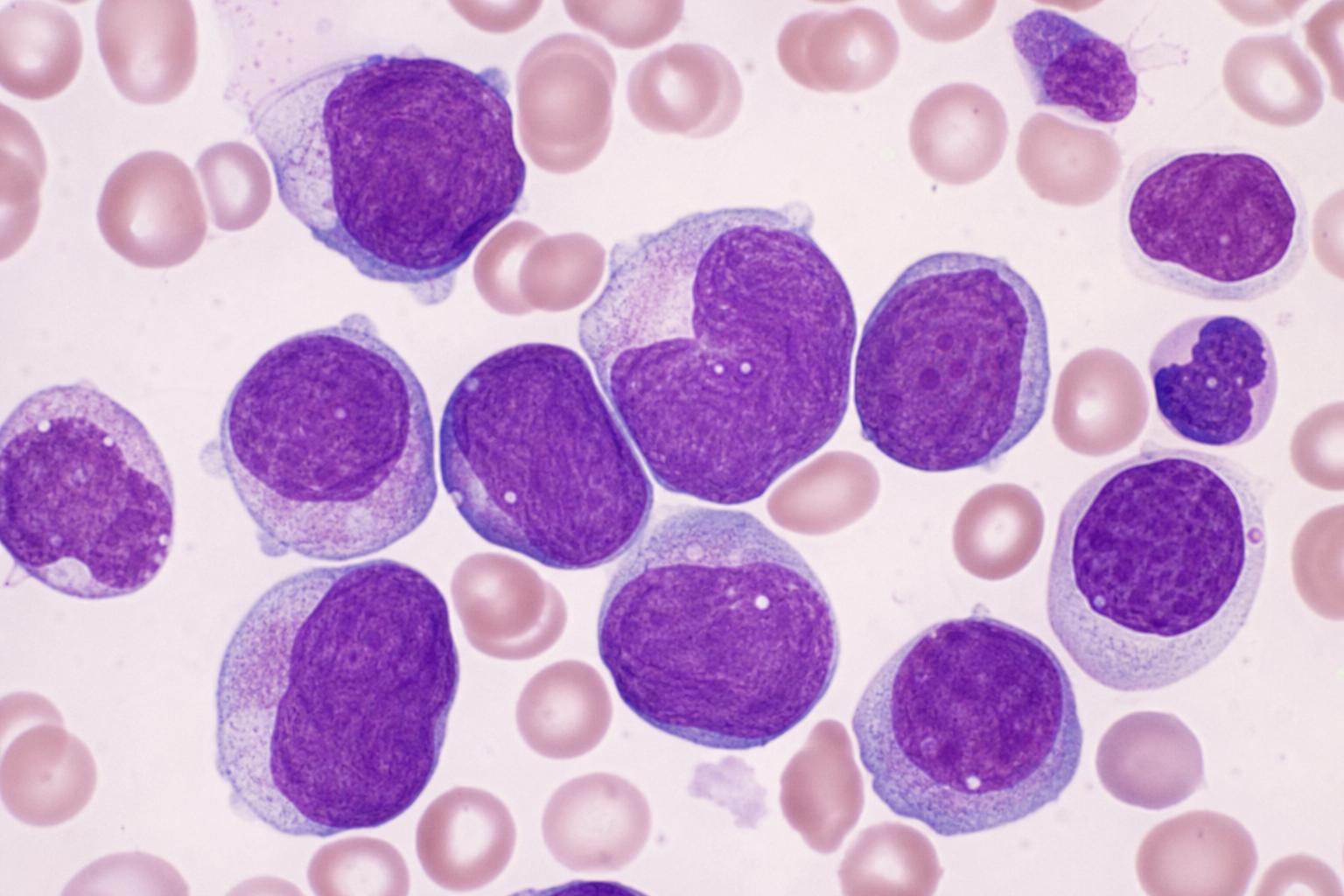
Leukemia is a cancer of the blood-forming tissues, mainly the bone marrow and lymphatic system. In most cases, something goes wrong in the DNA of early blood cells. Those cells stop maturing properly and multiply faster than they should. The result is a flood of abnormal white blood cells that don’t fight infection and squeeze out normal cells.
Doctors talk about leukemia using two basic axes: how fast it grows (acute vs. chronic) and what cell line it comes from (lymphoid vs. myeloid). Acute leukemias progress quickly and usually need treatment right away. Chronic leukemias can be slow-growing and sometimes don’t need immediate therapy.
How Blood Formation Works—and Why It Matters
Your bone marrow is the factory for red cells (carry oxygen), white cells (fight infection), and platelets (help you clot). Leukemia disrupts this assembly line. If red cells drop, you feel tired or short of breath. If platelets fall, you bruise or bleed easily. If the white cells are abnormal, infections come more often and hit harder. Understanding this helps you connect symptoms to what’s happening inside the marrow.
Main Types of Leukemia
While there are many subtypes, these four are the most common in Canada:
- Acute lymphoblastic leukemia (ALL)
- Acute myeloid leukemia (AML)
- Chronic lymphocytic leukemia (CLL)
- Chronic myeloid leukemia (CML)
There are rarer subtypes—hairy cell leukemia, T-cell prolymphocytic leukemia, and adult T-cell leukemia/lymphoma among them—but the big four cover most cases.
Quick Comparison of Types, Who They Affect, and Typical First Steps in Canada
| Type | Usual Onset | Key Features | Common First-Line Approach in Canada |
|---|---|---|---|
| ALL (acute lymphoblastic leukemia) | Children and young adults; can occur at any age | Rapid onset; often fevers, bruising, bone pain; may involve the brain/spinal fluid | Multi-phase chemotherapy with CNS prophylaxis; targeted therapy if BCR-ABL1 positive; stem cell transplant in selected cases; CAR T-cell therapy in some relapses |
| AML (acute myeloid leukemia) | Mostly older adults, but all ages possible | Rapid onset; low counts, infections, bleeding; genetic testing guides therapy | Intensive chemotherapy (e.g., “7+3”) or lower-intensity regimens; targeted drugs based on mutations; stem cell transplant for eligible patients |
| CLL (chronic lymphocytic leukemia) | Mostly older adults | Often found on routine bloodwork; enlarged lymph nodes; may not need immediate treatment | Watchful waiting when asymptomatic; targeted therapies (e.g., BTK inhibitors, venetoclax-based regimens) when treatment is indicated |
| CML (chronic myeloid leukemia) | Adults of any age, typically middle-aged | High white count, spleen enlargement; driven by BCR-ABL1 (“Philadelphia chromosome”) | Tyrosine kinase inhibitors (TKIs) taken by mouth; close molecular monitoring; some achieve treatment-free remission |
Common Signs and Symptoms
Leukemia symptoms vary, and some people feel fine until a routine blood test picks it up. Still, certain patterns show up often:
- Fatigue that doesn’t match your day-to-day activity
- Frequent or hard-to-shake infections
- Easy bruising, nosebleeds, bleeding gums, or tiny red skin spots (petechiae)
- Fevers or night sweats
- Shortness of breath, especially on exertion
- Bone or joint pain
- Unintentional weight loss, reduced appetite
- Fullness under the left ribs from an enlarged spleen
- Swollen, painless lymph nodes (more common in CLL/ALL)
Red flags that warrant urgent medical attention in Canada: fever of 38°C or higher if you’re on chemotherapy or have low white counts; uncontrolled bleeding; severe shortness of breath; confusion; or signs of stroke. In these cases, go to the nearest emergency department and tell staff you have leukemia or are on treatment. Canadian hospitals have protocols for “febrile neutropenia” and will fast-track antibiotics.
Causes and Risk Factors
There’s rarely a single cause. Most cases arise from a mix of genetic changes in blood stem cells plus exposures over time. Known risk factors include:
- Higher-dose ionizing radiation exposure (e.g., prior radiotherapy)
- Previous chemotherapy for another cancer
- Occupational or environmental benzene exposure
- Smoking (associated with AML)
- Certain genetic conditions (e.g., Down syndrome increases ALL/AML risk)
- Age (AML and CLL increase with age; ALL is more common in children)
- Family history of hematologic cancers (a minority of cases have inherited predispositions)
Many people with leukemia have none of these risk factors. Nothing you did or didn’t do caused it. That’s an important point to hold onto.
How Leukemia Is Diagnosed in Canada
Diagnosis usually starts with a complete blood count (CBC) ordered by a family physician, walk-in clinic, or emergency department. If the CBC shows abnormal white cells, low hemoglobin, or low platelets, the next step is a referral to a hematologist/oncologist. In urgent cases, this all happens the same day in hospital.
Core Tests
- Bloodwork: CBC, blood smear, chemistry (to assess kidney function, electrolytes, uric acid, LDH), coagulation studies if bleeding risk.
- Bone marrow aspiration and biopsy: taken from the back of the hip under local anesthesia. This confirms leukemia and helps classify it.
- Flow cytometry: uses antibodies to identify the exact cell type.
- Cytogenetics and molecular testing: looks for chromosomal changes (karyotype, FISH) and gene mutations. Examples: BCR-ABL1 in CML or some ALL; FLT3, NPM1, IDH1/2, TP53 in AML; IGHV mutation status and chromosome 17p/TP53 in CLL.
- Imaging: ultrasound or CT if enlarged organs or lymph nodes are suspected. Not always needed right away.
- Lumbar puncture (spinal tap): in ALL and some AML cases to check and treat the central nervous system.
These tests guide treatment and prognosis. In Canada, medically necessary testing is covered by provincial or territorial health plans (e.g., OHIP in Ontario, MSP in BC, RAMQ in Quebec, AHCIP in Alberta). Turnaround times for specialized genetic tests vary, but your team often starts a general plan while waiting for critical results that may fine-tune therapy within days to a couple of weeks.
Where Diagnosis and Early Care Happen
Acute leukemias generally start with an inpatient admission to a tertiary hospital that has oncology and hematology services. Chronic leukemias often begin in outpatient clinics. Across Canada, major cancer centres—such as those within Ontario Health (Cancer Care Ontario), BC Cancer, Alberta Health Services Cancer Care, the Saskatchewan Cancer Agency, CancerCare Manitoba, Nova Scotia Health’s Cancer Care Program, and centres in Quebec—provide standardized pathways so patients move quickly from suspicion to confirmed diagnosis and treatment planning.
Classification, Risk, and Why It Shapes Your Plan
Leukemia isn’t one disease. Two people with “AML” can have very different outcomes and very different treatments. That’s why classification matters:
- Acute vs. chronic: speed of progression and urgency of treatment.
- Lymphoid vs. myeloid: dictates drug choices and procedures (e.g., CNS prophylaxis is routine in ALL, not AML).
- Cytogenetic and molecular risk: some changes imply a higher relapse risk or sensitivity to certain drugs. Example: FLT3-mutated AML often gets a FLT3 inhibitor added to chemotherapy.
- Minimal residual disease (MRD): ultra-sensitive tests after treatment detect leukaemia cells that remain. MRD negativity is a strong goal in ALL and increasingly used in AML.
Your team will walk through how these features inform the choice between chemotherapy alone, targeted therapies, stem cell transplant, or a clinical trial.
Treatment Options in Canada: The Big Picture
Treatment depends on leukemia type, genetics, age, overall health, and personal preferences. In Canada, hospital-administered chemotherapy, supportive care, and most procedures are insured services. Oral cancer drugs are publicly covered in some provinces for all residents, and in others through specific programs (such as Ontario’s Trillium Drug Program, BC PharmaCare, Alberta’s Non-Group Coverage, or Quebec’s RAMQ). If you have private benefits, they often cover oral medications as well. Your oncology pharmacist and social worker can help navigate coverage.
Acute Lymphoblastic Leukemia (ALL)
ALL requires urgent, multi-phase therapy delivered through standardized protocols that may span two to three years (shorter for adults). Key elements include:
- Induction chemotherapy: the first phase aims for complete remission—no detectable leukemia by standard methods—and early MRD testing.
- Consolidation and maintenance: additional cycles to deepen remission and reduce relapse risk.
- CNS prophylaxis: intrathecal chemotherapy (into the spinal fluid) and sometimes low-dose radiation to prevent spread to the brain and spinal cord.
- Targeted therapy: if the leukemia carries BCR-ABL1 (Philadelphia chromosome-positive ALL), tyrosine kinase inhibitors (TKIs) are added.
- Monoclonal antibodies and BiTEs: drugs like blinatumomab or inotuzumab ozogamicin can be used in certain scenarios, especially if the disease is resistant or has high-risk features.
- Stem cell transplant: considered for higher-risk patients, usually in first remission.
- CAR T-cell therapy: available at select Canadian centres for some relapsed/refractory B-cell ALL cases, typically after other therapies have failed.
Children and adolescents with ALL are treated using pediatric protocols at children’s hospitals (e.g., SickKids in Toronto, BC Children’s Hospital in Vancouver, CHU Sainte-Justine in Montreal, and others). Cure rates are high in kids, and long-term survivorship programs help manage late effects like learning issues, heart health, and fertility.
Acute Myeloid Leukemia (AML)
AML treatment has evolved quickly in Canada with the addition of targeted agents. The approach depends heavily on age, fitness, and genetic features:
- Intensive induction: classic “7+3” (cytarabine plus an anthracycline) remains a standard for fit adults. High-risk genetic features may prompt adding targeted drugs.
- Lower-intensity regimens: for older or less fit adults, hypomethylating agents with venetoclax are common and can be given outpatient in many cases.
- Targeted therapies: FLT3 inhibitors (e.g., used with induction or at relapse), IDH1/2 inhibitors, and others depending on mutation profile and availability. Your centre follows Canadian approvals and funding decisions by CADTH’s pan-Canadian Oncology Drug Review (pCODR) and provincial programs; Quebec has INESSS. This means drugs may roll out at slightly different times across provinces.
- Acute promyelocytic leukemia (APL): a distinct, highly curable AML subtype treated primarily with all-trans retinoic acid (ATRA) and arsenic trioxide. It’s a medical emergency at diagnosis due to high bleeding risk, so therapy begins immediately once suspected.
- Allogeneic stem cell transplant: recommended for many higher-risk AML patients in first remission, depending on response and comorbidities.
Because AML can change quickly, don’t be surprised if plans adjust as your care team layers in new lab results, MRD data, and your day-to-day tolerance of therapy.
Chronic Lymphocytic Leukemia (CLL)
CLL is often slow-growing. Many Canadians with CLL go years without treatment. That’s not neglect—it’s evidence-based. Starting medications too early doesn’t improve survival and adds side effects. Treatment begins when specific criteria are met: symptoms from bulky nodes or spleen, fevers/night sweats/weight loss due to CLL, rapidly rising lymphocyte counts, or falling hemoglobin/platelets from marrow involvement, among others.
When treatment is needed, options include:
- BTK inhibitors: oral drugs that block a key signalling pathway in CLL cells. Different molecules suit different patients based on side-effect profiles and other conditions.
- Venetoclax-based regimens: often combined with an antibody (e.g., obinutuzumab or rituximab) for time-limited courses with close monitoring, especially during the first doses due to tumor lysis risk.
- Chemoimmunotherapy: used much less now but may be considered in relatively young, fit patients with favourable biomarkers.
Before starting therapy, Canadian guidelines recommend testing for TP53 disruption (via del(17p) and TP53 mutation) and IGHV mutation status to help select the best approach. Access to these tests is routine at major centres and usually covered.
Chronic Myeloid Leukemia (CML)
CML is driven by the BCR-ABL1 fusion. The revolution here is tyrosine kinase inhibitors (TKIs)—oral pills that turn down the cancer-causing signal. Many Canadians with CML live near-normal lifespans on TKIs. Key points:
- First-line treatment is a TKI; the choice depends on your health status and risk score.
- Monitoring uses a blood test called quantitative PCR for BCR-ABL1 at set intervals. Your team will talk about milestones (e.g., “major molecular response”).
- Some patients who sustain deep responses can attempt “treatment-free remission” (TFR) under close supervision. This is carefully planned and not suitable for everyone.
- If side effects or resistance occur, switching to another TKI is common. Rarely, stem cell transplant is used if drugs fail.
Stem Cell (Bone Marrow) Transplant in Canada
Allogeneic stem cell transplant replaces diseased marrow with donor cells. It’s a powerful tool for certain leukemias but comes with real risks (infections, graft-versus-host disease). In Canada, transplants happen at specialized centres in major cities such as Toronto, Montreal, Vancouver, Calgary, Edmonton, Ottawa, Winnipeg, Saskatoon, and Halifax, among others. Children are transplanted at pediatric centres.
Donor options include a matched sibling, a matched unrelated donor from the Canadian Blood Services Stem Cell Registry or international registries, cord blood, or a haploidentical (half-match) family donor. In Quebec, Héma-Québec coordinates provincial stem cell activities. Your team will discuss conditioning regimens (full or reduced-intensity), hospital stay length, and post-transplant life, including vaccinations and infection prevention.
CAR T-Cell Therapy in Canada
CAR T is a form of cellular therapy where your T cells are collected, engineered to target leukemia cells, and reinfused. In Canada, CAR T-cell therapy is available at select centres for certain leukemias (notably some relapsed/refractory B-cell ALL populations). Provincial funding criteria apply and evolve. If CAR T is relevant to your case, your hematologist will discuss eligibility, wait times, and logistics, including travel and lodging support if you live far from a treating centre.
Supportive Care: The Often-Underrated Cornerstone
Good supportive care makes treatment safer and more tolerable:
- Transfusions: red cells for anemia; platelets for bleeding risk. Leukemia patients often need many.
- Infection prevention: vaccines (influenza, COVID-19 as non-live vaccines), antiviral/antifungal antibiotics in some regimens, and education about when to go to the ER. Live vaccines are generally avoided during and soon after chemotherapy.
- Tumor lysis prevention: allopurinol or rasburicase and fluids when starting therapies that rapidly kill leukemia cells.
- Nausea control and appetite support: tailored antiemetics and dietitian input.
- Fertility preservation: discussion should happen before intensive treatment begins; referrals to fertility clinics are routine at Canadian centres.
- Rehabilitation: physiotherapy, occupational therapy, and exercise programs help maintain strength and function during treatment.
Strict “neutropenic diets” are less common now. Most Canadian centres focus on safe food handling: wash produce, avoid raw eggs/shellfish, ensure meats are cooked thoroughly, and skip unpasteurized products during high-risk periods.
Life Logistics: Costs, Coverage, Work, and Travel in Canada
One practical advantage of being treated in Canada: hospital-based care, including inpatient chemotherapy, physician visits, and most lab and imaging tests, is publicly insured. The complexity lies in drug coverage for take-home cancer medications and the non-medical costs of cancer.
Drug Coverage Basics
Canada doesn’t have a single national pharmacare program. Public coverage for outpatient (take-home) cancer drugs, including many targeted therapies, varies by province and territory:
- British Columbia: BC PharmaCare (Fair PharmaCare) provides income-based coverage for many cancer drugs; BC Cancer pharmacies often dispense take-home oncology medications.
- Alberta: Alberta Blue Cross Non-Group Coverage and other programs support eligible residents; cancer centres coordinate access.
- Saskatchewan and Manitoba: provincial drug plans and special support programs cover many oncology medications with deductibles or income-based caps.
- Ontario: Ontario Drug Benefit (seniors, social assistance) and the Trillium Drug Program provide coverage based on income and household drug costs. Cancer Care Ontario pathways help streamline approvals.
- Quebec: RAMQ public plan covers listed medications for those without private coverage, with premiums and co-pays; private plans must offer at least the same formulary.
- Atlantic provinces and Territories: public drug plans exist in each jurisdiction with varying eligibility and co-pays; oncology teams help patients navigate local options.
If you have private insurance through work or individually, bring those details to your first oncology pharmacy appointment. Pharmacists and social workers are skilled at stitching together public and private coverage so your out-of-pocket costs are minimized. If a medication isn’t publicly funded yet, your team may consider manufacturer patient support programs, compassionate access, or a clinical trial.
Income and Employment Supports
Leukemia treatment can take you off work for months, sometimes longer. Depending on your situation, you may be eligible for:
- Employment Insurance (EI) sickness benefits (federally administered) for temporary income support if you’ve paid into EI.
- Canada Pension Plan Disability (CPP-D) for severe and prolonged disability, if you’ve contributed to CPP.
- Provincial/territorial disability supports (e.g., Ontario Disability Support Program, AISH in Alberta, SAID in Saskatchewan) if you meet criteria.
- Job-protected medical leaves under provincial employment standards (e.g., in Ontario, Quebec, BC, and others). Employers have a duty to accommodate disability up to undue hardship under provincial human rights codes.
- Caregiver benefits: the federal Compassionate Care Benefits and other caregiver policies may apply if a family member needs time off to support you.
Ask your oncology social worker to help coordinate paperwork and connect you with community legal clinics if needed. It’s normal to feel overwhelmed by forms; your cancer centre has people who do this every day.
Travel and Lodging Help
If you live far from a transplant or CAR T centre, travel adds up. Supports include:
- Hope Air: flights for low-income patients traveling for medical care.
- Canadian Cancer Society lodges and Wheels of Hope (in many regions) for accommodation and transportation.
- Provincial travel assistance programs (northern travel grants in some provinces; check your province’s health ministry).
- Indigenous Services Canada’s Non-Insured Health Benefits (NIHB) for eligible First Nations and Inuit patients, covering medical travel and some medications.
Nutrition, Exercise, and Daily Life
You don’t have to “biohack” your way through leukemia. The fundamentals work: eat a balanced diet you can tolerate, aim for gentle movement most days, and rest without guilt. When counts are low, crowd avoidance and hand hygiene matter. Keep an updated list of medications. Consider a medical alert card that notes your diagnosis, central line, and your hematology team’s contact information.
For vaccinations, non-live vaccines like influenza and COVID-19 are recommended; timing depends on your treatment phase. Family members should also be up to date (live vaccines for household contacts are usually fine; your team can advise on specifics). Dental checkups are important, but coordinate with your oncologist when your counts are safe for procedures.
Children and Teens with Leukemia
Most pediatric leukemia is ALL, and outcomes are among the best in oncology today. Children are treated on highly structured protocols at specialized centres. Schooling continues through hospital and homebound programs, and social workers help with education plans. When treatment ends, survivorship clinics track growth, heart health (after anthracyclines), bone density, and learning. Parents: ask about fertility preservation for older adolescents, and make sure you know whom to call after hours. Every pediatric program has 24/7 supports.
Leukemia in Older Adults
Age doesn’t disqualify you from effective therapy. What matters is physiologic fitness, other medical conditions, and your goals. Many Canadians in their 70s and 80s are treated successfully with modern regimens tailored to minimize time in hospital. Early involvement of palliative care is about symptom control and quality of life—not giving up. In fact, palliative teams improve outcomes when integrated early.
When Treatment Ends: Remission, Monitoring, and Survivorship
After initial therapy, you’ll transition to surveillance: scheduled clinic visits, bloodwork, sometimes bone marrow exams, and molecular monitoring (e.g., BCR-ABL1 PCR in CML; MRD assays in ALL/AML when indicated). Keep a personal treatment summary and share it with your family doctor. Ask about:
- Cardiac monitoring after anthracyclines
- Bone health (vitamin D, calcium, weight-bearing exercise)
- Secondary cancer screening (e.g., skin checks, colon screening by provincial guidelines)
- Vaccination schedules post-chemotherapy or post-transplant
- Return-to-work planning and accommodations
It’s common to feel a letdown after active treatment ends. That’s normal. Many centres offer survivorship classes, peer groups, and individual counselling through hospital programs, Wellspring, or the Leukemia & Lymphoma Society of Canada.
Clinical Trials and Research in Canada
Clinical trials are not a last resort; they’re often how Canadians access cutting-edge therapies safely. Trials go through rigorous ethics and safety review. You can search the Canadian Cancer Trials website or clinicaltrials.gov, and ask your oncologist about options. The Canadian Cancer Trials Group (CCTG) coordinates many national studies, and large centres like Princess Margaret Cancer Centre, BC Cancer, and CHU de Québec-Université Laval run extensive leukemia trials. Participation is voluntary, and you can withdraw at any time.
Choosing Your Care Team and Getting a Second Opinion
In leukemia, subspecialty expertise matters. Most Canadians are referred quickly to hematologist-oncologists. If your case is complex—or if you just want peace of mind—you can request a second opinion. This is a normal part of cancer care. Your current team can send records to another tertiary centre, often within the same province. Turnaround is usually days to weeks, depending on urgency. Virtual reviews are increasingly common, especially between smaller hospitals and major centres.
Myths and Straight Talk
- “Leukemia is always an emergency.” Acute leukemias are, chronic leukemias often aren’t. Your team will set the pace.
- “Strong chemo is the only cure.” Not always. Targeted therapies can deliver deep remissions. For some, stem cell transplant or CAR T is the key.
- “Diet or supplements can cure leukemia.” No credible evidence supports this. Use diet and exercise to support your body through proven treatments.
- “You can’t get pregnant after leukemia treatment.” Many do, but planning matters. Discuss fertility before therapy if possible and get individualized advice later.
- “You’ll pay out of pocket for everything.” Hospital care is publicly funded; access to take-home drugs depends on provincial programs and insurance. Help is available to navigate costs.
What To Do If You’re Newly Diagnosed
- Write down the exact diagnosis and subtype (including mutations if known).
- Ask who is on your core team: hematologist, nurse, pharmacist, social worker, and a primary contact number for urgent questions.
- Clarify the immediate plan and timeline. Is inpatient admission needed? When will treatment start? What must be decided today vs. later?
- Bring your medication list and allergies. Include supplements.
- Talk to your social worker early about income, drug coverage, work leave, and travel supports.
- Identify your caregiver network. Who can help with appointments, meals, childcare, or pet care?
- Keep a folder (paper or digital) for lab results, visit notes, and consent forms.
- Learn the signs of emergencies: fever 38°C+, uncontrolled bleeding, sudden confusion or severe headache, chest pain, shortness of breath. Know which ER to use and what to say when you get there.
Safety Tips During Treatment
- Fever is never “wait and see.” Call your team or go to the ER right away.
- Use an electric razor and a soft toothbrush when platelets are low.
- Ask before dental work or vaccines.
- Wash hands often; carry sanitizer; avoid sick contacts during neutropenia.
- Stay hydrated and call early for nausea, diarrhea, or severe constipation.
- Don’t start new supplements without clearing them with your pharmacist—some interact with cancer drugs.
Community and Support Resources (Canada)
- Leukemia & Lymphoma Society of Canada (LLSC): education, support groups, peer-to-peer connections, financial assistance programs in some provinces.
- Canadian Cancer Society: information helpline, lodges, Wheels of Hope transport, peer support, and online communities.
- Wellspring (various cities and online): free programs for patients and caregivers—exercise, financial counselling, return-to-work workshops.
- Canadian Blood Services and Héma-Québec: donate blood and platelets; stem cell registry information.
- Young Adult Cancer Canada (YACC): community and retreats for people diagnosed in their teens and 20s/30s.
- Provincial cancer agencies: patient education, drug funding updates, and clinical pathway documents.
Key Conversations to Have With Your Team
- What is my exact subtype and risk profile?
- What are my treatment options, and why is this the recommended plan?
- How will we measure success (remission, MRD, molecular response) and when?
- What side effects are likely, and how do I reach you after hours?
- Could I be eligible for a stem cell transplant or CAR T now or later?
- Are there clinical trials I should consider at my centre or elsewhere in Canada?
- What will this cost me out of pocket, and who can help with drug coverage or travel?
Glossary (Short and Useful)
- MRD (Minimal Residual Disease): tiny amounts of leukemia detected by sensitive tests after treatment.
- BCR-ABL1: gene fusion that drives CML and some ALL; target for TKIs.
- TKI (Tyrosine Kinase Inhibitor): oral targeted drug that blocks abnormal signalling.
- Allogeneic Transplant: receiving stem cells from a donor.
- Graft-versus-Host Disease (GVHD): transplant complication where donor cells attack the patient’s tissues.
- Neutropenia: low neutrophils (a type of white cell), increasing infection risk.
- Tumor Lysis Syndrome: rapid breakdown of cancer cells that can strain kidneys and electrolytes.
Frequently Asked Questions
Is leukemia curable?
It depends on the type and individual risk features. Many children with ALL are cured. APL (a subtype of AML) is highly curable with modern therapy. CML is often controlled long-term with tablets, and some people achieve treatment-free remission. In AML and adult ALL, cure is possible, especially with deep remissions and, when appropriate, stem cell transplant. Your team will outline realistic goals for your situation.
How is leukemia diagnosed?
Through blood tests (CBC and smear), a bone marrow biopsy, and specialized studies like flow cytometry, cytogenetics, and molecular testing. These determine the exact subtype and guide therapy. In Canada, these tests are covered under provincial health insurance.
What are early signs of leukemia in adults?
Persistent fatigue, frequent infections, easy bruising or bleeding, night sweats, fevers, weight loss, or enlarged lymph nodes or spleen. Some people have no symptoms and are diagnosed after abnormal routine bloodwork.
What does treatment cost in Canada?
Hospital-based care is publicly funded. Take-home cancer drugs and supportive medications are covered by a mix of provincial/territorial drug plans and private insurance, with co-pays or deductibles depending on your province and income. Oncology pharmacists and social workers help reduce out-of-pocket costs.
Where are the best hospitals for leukemia in Canada?
Leukemia care is delivered at major cancer centres across the country—Toronto, Montreal, Vancouver, Calgary, Edmonton, Ottawa, Winnipeg, Halifax, Saskatoon, and others. Rather than a single “best,” look for a centre with a dedicated leukemia program, access to clinical trials, and transplant or CAR T capabilities when needed. Your family doctor or local oncologist will refer you to the nearest appropriate centre.
Can I work during treatment?
Some people with chronic leukemia on oral therapies continue working with adjustments. Intensive treatments, like induction chemotherapy or transplant, usually require time off. Talk to your employer about accommodations and to your social worker about EI sickness benefits, CPP-D, and provincial disability supports.
Is a stem cell transplant always necessary?
No. Transplant is reserved for specific situations—often higher-risk AML or adult ALL, and occasionally for CML or CLL when other treatments fail. The decision balances relapse risk against transplant risks and is tailored to you.
How do I find clinical trials in Canada?
Ask your hematologist and check the Canadian Cancer Trials website or clinicaltrials.gov. Large centres frequently have leukemia trials, and it’s common to be referred to a trial at another Canadian centre if one suits you.
What about vaccines during leukemia treatment?
Non-live vaccines (such as influenza and COVID-19) are usually recommended, but timing matters. Live vaccines are typically avoided during and soon after treatment. Family and close contacts should be up to date on their vaccines to create a protective “cocoon.”
Can I travel while on treatment?
Possibly, but plan carefully. Discuss timing with your team, especially if your counts are low. Consider travel insurance that covers pre-existing conditions (read the fine print), and carry a summary of your diagnosis, treatments, and emergency contacts. Provincial travel assistance programs or charities like Hope Air can help for medically necessary trips within Canada.
How can family and friends help?
Offer specific, practical help: drive to appointments, organize meals, manage a shared calendar, or sit with the patient during long infusions. Emotional support matters too—listen more than you advise. Caregivers should also accept help for themselves.
Should I change my diet?
Focus on food safety and balanced nutrition. During periods of severe neutropenia, avoid raw or undercooked meats, unpasteurized dairy, and raw eggs/shellfish. Otherwise, eat what you can tolerate and work with a dietitian if appetite is low or weight is dropping.
Can I donate blood or stem cells to help?
If you’re healthy and meet criteria, yes—donating blood and platelets through Canadian Blood Services or Héma-Québec saves lives. You can also join the Canadian Blood Services Stem Cell Registry to be a potential donor for someone needing a transplant.
What if I live in a rural or remote area?
Your local hospital can coordinate with a larger centre via virtual consults. Many treatments can be delivered close to home, with periodic trips to a tertiary centre for specialized care. Travel assistance programs and patient lodges can ease the burden when longer stays are necessary.
Where can I get trustworthy information?
Reliable sources include your provincial cancer agency, the Canadian Cancer Society, the Leukemia & Lymphoma Society of Canada, and patient education libraries at major cancer centres. Be wary of miracle cures sold online. If it sounds too good to be true, it is.
Final Thoughts
Leukemia turns life upside down. But in Canada, you are not left to navigate it alone. Evidence-based treatments, publicly funded hospital care, skilled teams, and a web of practical supports add up to something powerful: a path forward. Lean on your care team, ask questions, keep notes, and enlist the people around you. With clarity, planning, and the right help, you can move from crisis to a new routine—one step at a time.