










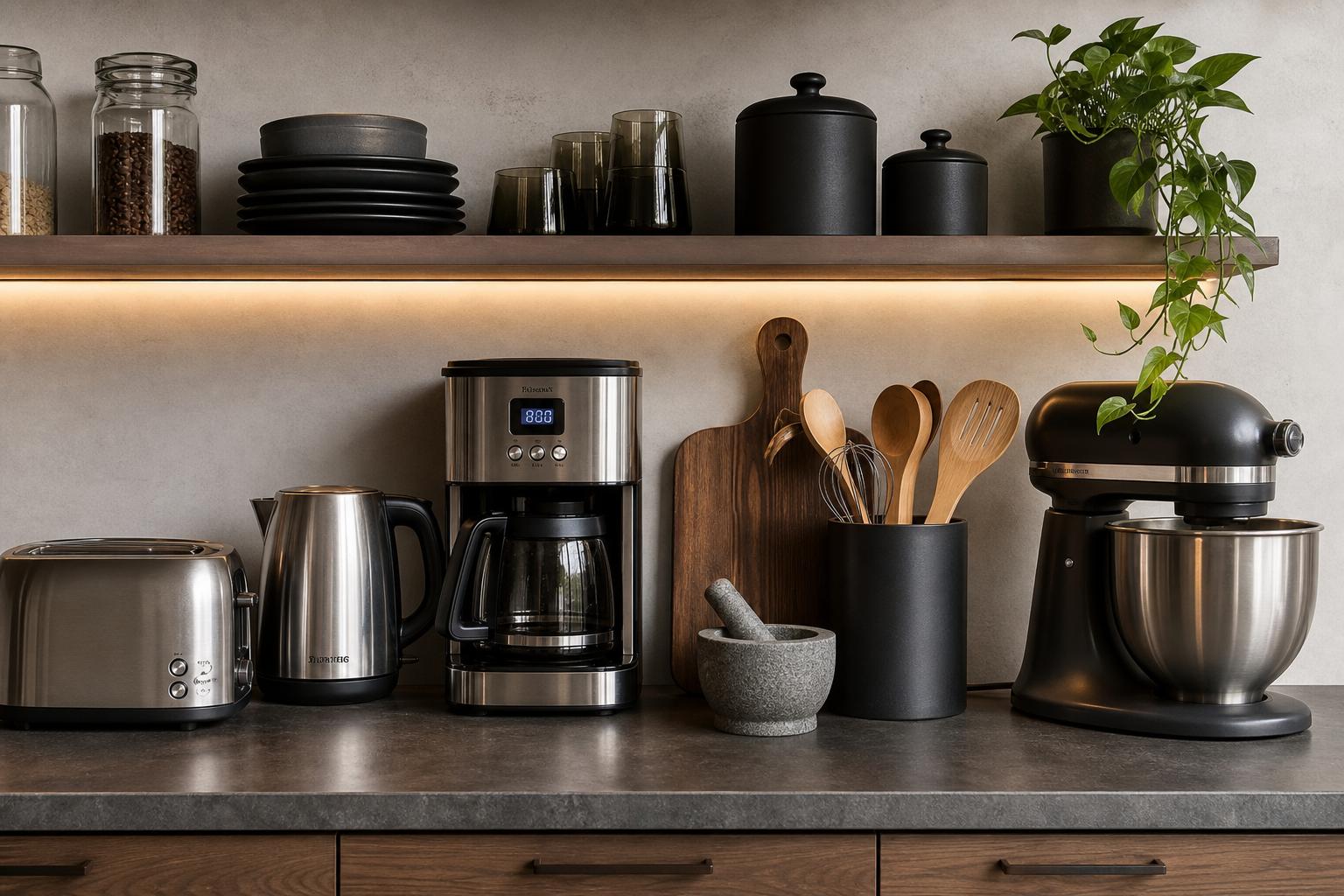
Kitchen Stuff Plus: A Canadian Guide to Buying, Using, and Loving Your Kitchen Gear
Search “kitchen stuff plus” and you’ll find two things at once: a beloved Canadian housewares retailer, and a big, restless category—everything from pots to pantry bins—that powers daily life. This guide speaks to both. It’s for Canadians who want practical, no-nonsense advice on what to buy, when to save or splurge, and how to make a kitchen work in a Toronto condo, a Calgary bungalow, or a Halifax row house. Expect clear recommendations, realistic pricing in Canadian dollars, and tips grounded in how we actually cook and shop here.
We’ll cover essentials and upgrades. We’ll talk materials that last through winters, dinner parties, and dishwasher cycles. We’ll flag Canadian regulations that keep you safe, and shopping strategies that respect taxes, shipping, and returns. You’ll finish with a confident plan—plus a few smart shortcuts—to get more from your kitchen without wasting money or space.
Why “kitchen stuff plus” matters in Canada right now
Canadian kitchens pull double duty. They’re where we batch-cook on Sundays, host Thanksgiving in October, and bake through January just to warm the house. Many of us are cooking more at home for cost and health reasons, navigating grocery prices with a sharper eye. The right tools won’t fix the economy, but they can lower food waste, speed up meals, and make it easier to say yes to cooking instead of takeout.
Space and power are also different here. New builds and condos pack plenty into compact footprints; older homes have quirky storage and fewer outlets on 15A circuits. Quebec needs bilingual packaging; Northern deliveries carry surcharges; and across provinces, GST/HST/PST changes the math on “great deals.” That’s why Canadians who google “kitchen stuff plus” aren’t just browsing. They’re comparing quality, delivery, and value with an eye on real constraints.
What Canadians usually mean by “kitchen stuff plus”
Sometimes it’s shorthand for every gadget from a garlic press to an air fryer. Sometimes it’s a literal destination—Kitchen Stuff Plus stores and the website, alongside other Canadian kitchenware retailers. Either way, the search reflects a simple goal: find a wide selection of kitchen essentials, small appliances, bakeware, dinnerware, barware, and storage, ideally under one roof with fair prices and decent returns.
This article is brand-neutral and practical. It draws on how Canadians shop across retailers: big-box chains like Canadian Tire and Walmart for deals; specialty shops and restaurant-supply stores for pro gear; department stores for registry-worthy pieces; and dedicated kitchenware stores—yes, including Kitchen Stuff Plus—for a deep, housewares-first selection. Whichever storefront you choose, the buying principles are the same, and that’s what we’ll unpack.
Start with a plan: your Canadian kitchen essentials checklist
Start from meals, not marketing. What do you cook weekly? Stir-fries and sheet-pan dinners demand different tools than sourdough and sous vide. List five regular meals and work backward. If your list includes dal, salmon, roast veg, quesadillas, and pancakes, you’ll use a medium saucepan, nonstick skillet, lidded sauté pan, sheet pan, and sturdy spatula more than any spiralizer.
Next, measure your space. Count drawers. Check cabinet height. Small kitchens benefit from nesting sets, universal lids, and space-saving tools. In rentals, noisy blenders and smoky cast-iron searing might clash with thin walls and sensitive alarms; plan accordingly. In shared student housing, residence rules may restrict hot plates and toaster ovens—confirm before you buy.
The core cookware kit (that actually gets used)
Build your core kit around five pieces and you’ll cover 90% of weekday cooking:
- 10–12 inch stainless steel skillet (preferably tri-ply) for searing, sautéing, and oven finishes.
- 10–12 inch nonstick frying pan for eggs, crepes, and delicate fish. Expect to replace it every 2–4 years.
- 3-quart (approx. 2.8L) saucepan with lid for grains, sauces, and reheating soups.
- 5–7 quart (4.7–6.6L) Dutch oven or stockpot for braises, batch cooking, pasta, and stews.
- Sheet pans (two half-sheets, 18×13 inches) for roasting vegetables, cookies, and one-pan dinners.
If you cook for one or in a tight kitchen, drop the Dutch oven and get a 4–5 quart pot with a steamer insert. If you feed a crowd, add a second saucepan and an extra sheet pan to run two racks at once.
Utensils and tools that pull their weight
Skip the drawer-cloggers. Get tools that do many jobs well:
- Two cutting boards (one for meat, one for produce)—wood or quality plastic; more on that later.
- 8-inch chef’s knife and a paring knife; add a serrated bread knife if you buy loaves.
- 12-inch tongs, fish spatula, silicone spatula, ladle, slotted spoon, and a whisk.
- Measuring cups/spoons with both metric and imperial markings; Canada cooks in both.
- Digital scale and an instant-read thermometer; they stop guesswork that leads to waste.
Round it out with a box grater, peeler, can opener, and colander. You’ll reach for these constantly. Everything else is a maybe, not a must.
Storage and organization that actually fits Canadian kitchens
Stackable glass containers (borosilicate if you go from freezer to oven) keep leftovers visible and safe. If plastic, look for clear, BPA-free containers with snap lids that seal without wrestling. For pantries, airtight canisters tame flour, oats, and coffee; label them with painter’s tape and a marker—cheap, readable, and easy to change.
Under-sink caddies and over-the-door racks help in tight condos. A magnetic knife strip frees counter space and protects edges better than tossing blades in a drawer. If you’re in Quebec, bilingual packaging is standard across major brands; it’s also handy when labeling items for multilingual households.
Cookware deep dive: materials, performance, and price in Canada
Different pans excel at different tasks. Matching material to your stove and recipes saves money and frustration.
Stainless steel (tri-ply or 5-ply): Durable, non-reactive, and oven-safe. Tri-ply sandwiches an aluminum core between stainless layers so heat distributes evenly. It shines for browning, pan sauces, and anything you’ll finish in the oven. Expect a 10-inch tri-ply skillet to run $80–$180 on sale in Canada; full sets swing from $250 to $800+ depending on thickness and brand.
Nonstick (PTFE-based): Eggs glide, fish flips, and cleanup is easy. Even good ones wear out—heat and utensils degrade coatings. Avoid aerosol sprays; stick to medium heat and silicone tools. A reasonable Canadian price is $30–$90 for a 10–12 inch pan on sale. If a nonstick “lifetime” claim seems too rosy, read the fine print; coatings are consumable.
Ceramic nonstick: A slick, silica-based coating marketed as PFAS-free. Great out of the box, but many lose slickness sooner than PTFE. If you prefer PFAS-free, choose reputable brands and keep receipts. Prices are similar to PTFE nonstick.
Cast iron: Affordable, virtually indestructible, unbeatable for searing and oven roasting. It’s heavy and needs seasoning, but it gets better with use. A 10-inch skillet is often $30–$70 in Canada; enameled cast iron costs more but skips seasoning and is easier for acidic dishes.
Carbon steel: Lighter than cast iron, seasons to a natural nonstick, brilliant for high heat and induction. It rewards care, not neglect. Expect $60–$150 for a fry pan, more for French-made options.
Hard-anodized aluminum: Even heating with a tougher exterior and often a nonstick interior. It’s a strong everyday choice if you treat it gently. Pricing lands between stainless and nonstick.
Induction, gas, ceramic: match your cookware to your stove
Induction needs magnetic bases. Bring a small magnet when shopping; if it sticks, you’re good. Most quality stainless is induction-ready; aluminum-only pans are not. Carbon steel and cast iron excel on induction. On electric coils and ceramic tops, flat-bottomed pans matter more than brand. If a pan spins or rocks on the store display, skip it.
Handles and lids deserve inspection. Riveted stainless handles stay secure longer than glued-on parts. Lids that seal well save energy and moisture. In-store, tap the lid: a slight heft and tight fit beat flimsy domes every time.
How to read a cookware sale in Canada
Beware the fake MSRP. A “60% off” tag means little if the regular price was inflated. Compare across Canadian retailers before committing. Pay attention to registry events and loyalty promos; a points bonus can quietly beat a straight discount. Boxing Day/Week and Black Friday are prime times to buy cookware here; patient shoppers save real money.
Warranty-wise, a “limited lifetime” often covers defects in materials, not normal wear. In Canada, implied warranties exist under provincial Sale of Goods laws, but returns remain a store policy. Keep your proof of purchase, register products when offered, and don’t rely on a warranty to replace a scorched pan.
Knives and cutting boards: sharp, safe, and sensible
One good chef’s knife beats a 15-piece set full of fillers. Try an 8-inch to start; if you have smaller hands, a 6-inch can feel more agile. A paring knife handles peeling and detail work; a serrated bread knife saves crusts and tomatoes.
Stainless vs. high-carbon steel is about care. Most home cooks in Canada appreciate stainless for stain resistance and low maintenance. Carbon steel sharpens easily and gets razor keen, but it can rust if neglected. Ceramics stay sharp long but chip if abused and are harder to resharpen; they’re niche tools, not your main blade.
Sharpening is a habit, not a chore. A honing rod realigns the edge between uses; it doesn’t sharpen. Use a whetstone or a guided system a few times a year, or visit a local sharpener. Many Canadian cities have knife shops or mobile services that charge $6–$12 per knife; ask about turn-around before dropping your set.
Boards matter for both knives and food safety. End-grain maple (Canada has a proud tradition of maple boards) is gentle on edges and gorgeous, but heavier and pricier. Edge-grain wood is lighter and more affordable. Quality plastic boards are dishwasher-safe and ideal for raw meat. Keep separate boards for proteins and produce; colour coding helps.
Bakeware and roasting gear: reliable pans beat trendy shapes
Aluminized steel baking sheets and cake pans brown evenly and resist warping. Look for rolled edges and a good weight in hand. Glass bakes evenly but runs hotter; drop the oven temp by 25°F (about 15°C) if a recipe was developed for metal. Ceramic shines for lasagna and gratins with pretty table-to-oven transitions. Avoid dark, super-thin pans that scorch bottoms before centres cook.
A rimmed half-sheet does more than cookies: roast chickpeas, crisp bacon in the oven, catch pie drips. Add a cooling rack that fits inside and you’ve got a makeshift roasting setup. For Canada’s winter roasts, a sturdy roasting pan with handles saves wrists and lasts decades—buy once.
Small appliances Canadians actually use
Electric kettle: In tea-loving households, it’s non-negotiable. In most of Canada, 1500W kettles heat fast; look for auto shutoff and a limescale filter. If you live in a hard-water city like Calgary, plan to descale monthly with vinegar.
Toaster or toaster oven: If you bake small batches or reheat pizza, a toaster oven does more. In student housing, check restrictions; some residences ban toaster ovens due to fire risk. A wide-slot toaster with consistent browning is fine for simple toast duty.
Blender: For smoothies and soups, mid-range blenders work if you blend longer. High-speed models pulverize greens and seeds, but cost more and make more noise—key in apartments. Look for CSA or cUL safety marks on the cord or base; these indicate certification to Canadian electrical standards.
Food processor: Chops, shreds, and kneads dough without tears. Save counter space with a compact 7–9 cup bowl if you cook for two. For meal prepping, a 12–14 cup shines.
Stand mixer: Bakers love them; casual cooks can skip. Entry prices in Canada start around $300–$400 on sale and climb with power and bowls. Check headroom under cabinets—tilt-head models need lift space.
Multicooker/Instant Pot: For beans, rice, stews, and hands-off cooking on busy nights, nothing beats it. An 6-quart (5.7L) suits most households; an 8-quart helps for batch cooking.
Air fryer: It’s a small convection oven with turbo fan power. Great for crisping without deep-frying. If you already have a convection oven, the benefit is speed and not heating the kitchen in July.
Energy use, circuits, and induction in Canadian homes
Most kitchens run on 15A circuits shared across outlets. Don’t run a microwave and toaster oven on the same circuit simultaneously or you’ll trip a breaker. Check appliance wattage; anything above 1200W needs breathing room. Energy Star certification helps for fridges and dishwashers; small countertop appliances rarely carry it. For induction cooktops, test pan compatibility with a fridge magnet before you buy.
Dinnerware, drinkware, and barware that last
Everyday dinnerware should be dishwasher-safe and chip-resistant. Vitrified porcelain and stoneware are reliable; tempered glass dishes survive daily knocks. If you microwave leftovers, avoid metallic rim accents. Buying open stock (individual plates and bowls) instead of full sets lets you replace a broken bowl without hunting the resale market later.
Glasses work harder than they look. Stackable tumblers save space; a set of stemless wine glasses doubles for cocktails. If you’re into beer, a couple of tulips or nonic pint glasses cover styles. Coffee people should decide early: pour-over, French press, or espresso machine. Each demands different grinders and gear; plan a station so it doesn’t colonize the whole counter.
Cleaning, safety, and maintenance: Canadian realities
Dishwashers are kinder than ever, but not universal. “Dishwasher safe” sometimes means top rack only; wood and some plastics will warp or haze in heat. When in doubt, hand wash carbon steel, cast iron, wood utensils, knives, and insulated tumblers.
Food-contact safety in Canada falls under the Food and Drugs Act and Food and Drug Regulations, with guidance from Health Canada. For plastics and silicone, buy from reputable retailers and watch for temperature ratings. For nonstick, know that PFOA has been phased out of production; you’ll still see debate about PFAS. If you prefer PFAS-free, ceramic nonstick and well-seasoned cast iron are alternatives.
For electrical safety, look for certification marks accepted in Canada: CSA, cUL (UL with a small “c”), or ETL with a “c” mark. These indicate the product has been assessed to Canadian standards. Avoid unmarked plug-in gadgets from unknown marketplaces; they may not meet code, which can void insurance in a fire.
Fire safety is basic but overlooked: never heat oil unattended, keep a lid nearby to smother flames, and know where your Class K or multi-purpose fire extinguisher is. In small apartments with sensitive alarms, use a splatter screen and run the hood fan (or open a window) when searing.
Sustainable and budget-smart choices without guilt
Buy once, buy better, then maintain. A quality stainless pan with a solid base will outlast three bargain ones. A good knife you’ll sharpen beats a drawer of dull blades. Reusables—beeswax wraps, silicone lids, glass containers—cut waste and pay back steadily.
When gear dies, keep it out of landfill. Small appliances can often go to provincial e-waste programs (for example, ElectroRecycle in British Columbia accepts many small appliances). Check your municipality or province for extended producer responsibility drop-offs. In Ontario, Blue Box changes are rolling out through 2026; packaging and plastics recycling rules vary by city—always check local guidance.
Food waste is the biggest budget leak. Store produce properly, freeze extras in meal-size portions, and keep a “eat me first” bin visible in the fridge. A clear set of stackable containers can save more money than any coupon app.
Shopping in Canada: stores, shipping, returns, and taxes
Where you buy matters less than how you buy—if you compare for value and policy. Canadian kitchenware comes through multiple channels:
- Dedicated kitchen stores (including Kitchen Stuff Plus): deep selection of gadgets, cookware, storage, and housewares under one roof; frequent promos and seasonal events.
- Big-box and department stores: aggressive sales, price matches on some items, and easy returns.
- Restaurant-supply shops: not always pretty, often excellent quality for the price; open to the public in many cities.
- Online marketplaces: vast choices with caveats; check seller ratings, return windows, and safety marks for plug-in devices.
Shipping in Canada has quirks. Free shipping thresholds often sit around $75–$99, but remote addresses and PO boxes can complicate delivery. Couriers may charge beyond-standard-area surcharges; Canada Post is sometimes the safer bet for rural communities. If your building has parcel lockers, measure boxes against locker sizes for oversized items like Dutch ovens.
Returns and exchanges are policy-driven, not legislated for typical retail. Keep packaging and receipts until you’re sure an item works in your kitchen. For gifts, ask for gift receipts. Many stores offer extended returns during holiday seasons; read the fine print on “final sale” and open-box items.
Taxes change the bottom line. Expect GST/HST (5%–15%) depending on your province, plus PST in Saskatchewan, BC, and Manitoba. Price tags might show pre-tax pricing; do the math before declaring a bargain. If you’re cross-border shopping, duties and brokerage can erase savings fast; buying from Canadian retailers sidesteps that risk.
Seasonal sales calendar for kitchen deals in Canada
Deals follow a rhythm. If you can wait, you’ll likely pay less:
- January: Clearance on holiday entertaining, dinnerware, and barware; organizational bins flood in with “new year, tidy home” themes.
- February/March: Cookware and small appliance promos to fight winter fatigue; watch for multicooker and blender deals.
- April: Spring cleaning and storage events; patio and BBQ accessories start to drop.
- May/June: Wedding season registry promos; stand mixers, bakeware, and dinnerware bundles.
- July: Summer clearance on certain small appliances; Amazon-style deal days trigger competitive price drops at Canadian retailers.
- September: Back-to-school kitchen starter kits for students; lunch gear and food storage discounts.
- November: Black Friday/Cyber Monday—top tier for cookware, nonstick sets, and appliances.
- December/Boxing Week: One of the best times for knives, glassware, and anything giftable; deep clearance on seasonal SKUs.
Registry, gifts, and student starter kits
Wedding and housewarming registries are practical in Canada, thanks to easy online tracking and shipping. Register for mid-range workhorses you’ll use daily and sprinkle a few heirloom pieces guests can team up on. Ask for open-stock dinnerware to replace breakage later. Keep notes on returns; unopened duplicates move fastest.
Student kitchens live under rules. Many residences ban hot plates, toaster ovens, and anything with an exposed element. Microwaves and electric kettles are often fine, sometimes as part of a compact “microfridge” rental. A dorm-safe starter kit: microwave-safe bowl, mug, cutlery, a chef’s knife with a guard, cutting board, can opener, lidded containers, and a compact dish kit. Add a kettle if permitted and a collapsible drying rack to keep roommates happy.
Condo and small-space strategies
Vertical storage is your friend: wall-mounted rails, magnetic knife strips, and under-shelf baskets multiply space. A folding dish rack tucks away; nesting mixing bowls and colanders minimize volume. Invest in a rolling cart or slim pantry tower if you need a movable prep zone; lock the wheels and add a butcher-block top for stability.
Choose double-duty pieces: a Dutch oven for bread and braises; a lidded sauté pan that acts like a skillet and a saucepan; measuring cups that nest tight. If your building’s hood fan is ornamental (many are), go for low-smoke cooking fats and preheat pans more gradually to avoid setting off alarms.
Newcomers to Canada: adapt your kitchen smoothly
Canada runs on 120V, Type A/B plugs. Appliances from 220–240V regions won’t work on simple adapters; you’ll need a proper transformer or local replacements. Save the sentimental items and replace commodity ones here to avoid headaches.
Induction and gas may be new to you—or a step down from what you had. A magnetic test tells you if your cookware works on induction. For oven baking, note that many Canadian ovens run a touch cool or hot; a $15 oven thermometer pays back on your first batch of cookies.
Altitude affects boiling points. Calgary sits around 1,000m; water boils closer to 96–97°C there. Beans and pasta take longer; pressure cookers shine. In the winter, dry indoor air impacts proofing bread, and ovens preheat slower; budget extra time and hydration.
Realistic Canadian price guide: what “good value” looks like
These ballpark sale prices in CAD help you judge value when scanning “kitchen stuff plus” results or strolling an aisle. Actual pricing varies by brand, retailer, and season, but this table gets you in the right lane.
| Item | Typical Sale Price (CAD) | Notes |
|---|---|---|
| Tri-ply stainless 10″ skillet | $80–$180 | Check weight and flatness; oven-safe handles preferred. |
| Nonstick 10–12″ frying pan | $30–$90 | Expect 2–4 years; avoid metal utensils. |
| Cast iron 10″ skillet | $30–$70 | Pre-seasoned helps; heavy is normal. |
| Dutch oven 5–7 qt | $100–$400 | Enameled costs more; watch holiday promos. |
| Stainless cookware set (8–10 pcs) | $250–$800+ | Count lids; skip sets padded with tiny pots. |
| Chef’s knife (8″) | $60–$180 | Comfort in hand matters more than brand lore. |
| Knife set (3 pcs: chef, paring, bread) | $120–$300 | Often better value than giant sets. |
| Wood cutting board (maple, medium) | $40–$120 | End-grain costs more; oil regularly. |
| Glass food container set (10–20 pcs) | $25–$80 | Look for snap lids and oven-safe glass. |
| Electric kettle (1.7L) | $30–$120 | Auto shutoff is standard; consider variable temp for tea. |
| Blender (mid-range) | $80–$200 | High-speed models $300+; test noise if possible. |
| Stand mixer | $300–$800+ | Deeper discounts around Black Friday. |
| Air fryer (4–6 qt) | $80–$200 | Check basket coating and cleaning ease. |
| Instant-read thermometer | $20–$60 | Fast response saves steaks and poultry. |
Care and troubleshooting tips for Canadian conditions
Hard water haze on glassware? Add a cup of white vinegar to the dishwasher’s rinse cycle or soak cloudy glasses in warm vinegar, then rinse. For kettles, boil a 1:1 vinegar-water mix, let sit 30 minutes, rinse well, and run a plain water boil before using.
Scratches on nonstick mean it’s time to retire the pan; flakes don’t belong in food. On stainless, rainbow tints wipe away with a vinegar rinse; stuck-on bits release if you deglaze with water while still warm or simmer a baking soda solution briefly.
Cast iron sticky after seasoning? You used too much oil or the oven ran cool. Wipe the thinnest film of oil, invert the pan, and bake at 450°F (230°C) for an hour, windows cracked if your hood fan is weak. In apartments, do it midday when neighbours are at work.
The plus in “kitchen stuff plus”: extras that make life easier
Housewares don’t stop at pans. A few low-profile upgrades raise daily comfort:
- Under-cabinet lighting strips brighten prep zones without rewiring; choose CSA-certified plug-ins.
- Drawer dividers for cutlery and tools halt the rummage game; adjustable ones survive future moves.
- Fridge bins for produce and condiments prevent science experiments; label a “use next” bin.
- Mat for in front of the sink saves backs during holiday dish marathons.
- Compact bar cart doubles as extra counter space and party central in small condos.
These aren’t musts. They’re the “plus” that smooths rough edges in real kitchens, especially when entertaining is back on the calendar around Thanksgiving and the December holidays.
How to evaluate quality quickly in-store or online
In-store, pick up the pan. Heft is good; balance matters more. A handle that digs into your palm will become your enemy. Put the pan on a flat surface and press the rim—no wobble is the goal. For lids, look for a tight fit without rattle.
Online, read the negative reviews first. Recurring complaints about warping, coatings flaking, or lids that don’t seal are red flags. Watch for verified Canadian buyers commenting on induction compatibility or dishwasher wear. Cross-check the product photos with brand websites to avoid knockoffs on marketplaces.
For plug-in items, find the certification marks (CSA, cUL, or ETL with a “c”). If they’re missing from product photos or the listing is vague, move on. Check noise levels for blenders; some retailers list decibel ranges. And always confirm dimensions against your space—small appliances grow mysteriously once unboxed.
Final checks before you click Buy
Pause for one minute and ask:
- Does this tool solve a recurring problem in my kitchen, or is it just cool?
- Where will it live? If you can’t answer, it may end up on the floor.
- Is the material right for my stove and habits?
- What’s the return policy, and how much is shipping after tax to my postal code?
- Is there a safer, certified version if it plugs in?
- Will I still be glad I bought this in six months?
If the answer set feels thin, save your cart and revisit on the next seasonal sale. Most “kitchen stuff plus” finds go on promo if you’re patient.
Canadian examples: right tool, right job
A Toronto condo cook who loves stir-fry should pick carbon steel for speed on induction, pair it with a quiet mid-range blender for smoothies, and a set of nesting glass containers for the small freezer. The splurge is a decent chef’s knife; the save is a sensible nonstick.
A family in Winnipeg doing Sunday roasts will get more from a sturdy roasting pan and Dutch oven than a fleet of gadgets. Add a reliable instant-read thermometer and sheet pans that don’t warp in a 450°F oven. Heavy snow days feel shorter when the equipment just works.
Students in Halifax with shared kitchens should build a light, dorm-safe kit: microwavable bowls, a lidded storage set, a compact kettle if allowed, and a chef’s knife with a sheath. Spend on a cutting board and knife; borrow the blender when smoothies become a habit.
How Canadian regulations and norms affect your choices
Canada expects bilingual packaging for most consumer goods sold nationally; you’ll find English and French instructions on reputable brands. That helps when sharing gear in multilingual households and makes warranty terms easier to navigate.
Food-contact items fall under Health Canada’s oversight. For silicone baking mats and spatulas, choose products labelled for food contact, free of fillers, and with clear temperature limits. For plastics, stick to known brands and avoid unknown marketplace listings with vague material claims. If a deal seems off, it probably is.
Electrical safety isn’t optional. The presence of CSA, cUL, or ETL with a “c” matters for insurance and your peace of mind. These marks indicate testing to Canadian standards. If you ever need to make a claim after an appliance failure, uncertified gear can become a headache.
Ten smart buying moves when searching “kitchen stuff plus”
- Shop with a shortlist tied to meals you make weekly.
- Handle cookware in person when possible; balance beats brand hype.
- Check induction compatibility with a magnet if you have or might move to induction.
- Compare sale prices across Canadian retailers; don’t trust a single “reg. price.”
- Read the worst reviews to uncover consistent flaws.
- Prefer open-stock dinnerware you can replenish.
- Buy PFAS-free only if it suits your cooking; otherwise, treat nonstick gently and replace as needed.
- Prioritize CSA/cUL certifications for anything that plugs in.
- Keep packaging until you’ve cooked three meals with a new tool.
- Time big buys for Black Friday or Boxing Week unless you need them now.
FAQ
Is “Kitchen Stuff Plus” the best place to buy kitchenware in Canada?
It’s a popular Canadian housewares retailer with a wide selection and frequent promotions. Whether it’s “best” depends on what you need that week. Compare prices and policies with other Canadian retailers, check stock availability in your city, and consider shipping or pickup convenience. For pro gear, restaurant-supply stores sometimes beat everyone on value.
What should I absolutely splurge on, and where can I save?
Splurge on your daily driver knife, a tri-ply stainless skillet, and a sturdy Dutch oven if you batch-cook. Save on specialty gadgets, novelty bakeware, and giant knife blocks. Nonstick should be mid-priced; plan to replace it every few years.
How do I know if a small appliance is safe to use in Canada?
Look for CSA, cUL, or ETL with a “c” mark on the product or listing. These indicate certification to Canadian standards. Avoid unmarked plug-in gadgets from unknown sellers. If the listing hides the plug type or power details, move on.
Can I use my European 220V appliances in Canada?
Not directly. Canada uses 120V. You’d need an appropriate transformer, and even then, some appliances with heating elements won’t perform well or can be unsafe. Replacing most small appliances locally is simpler and safer.
Are ceramic nonstick pans safer than traditional nonstick?
They’re PFAS-free, which some buyers prefer. Performance differs: ceramic often loses slickness sooner, while PTFE nonstick stays slippery longer if you treat it gently. Both are safe when used as directed. Choose based on cooking style and care habits.
What’s the easiest way to keep knives sharp at home?
Hone lightly every few uses to realign the edge, then sharpen on a whetstone or with a guided system a few times a year. If that’s not your thing, use a reputable sharpening service—many Canadian cities have options with next-day turnaround.
Is cast iron worth it for apartment cooking in Canada?
Yes, with ventilation awareness. It sears beautifully and bakes bread like a pro. Manage smoke by preheating gradually, using high-smoke-point oils, and running the fan. If your hood is weak, keep the lid handy and open a window during hard sears.
What’s a realistic budget for setting up a first kitchen?
For a solid starter kit—cookware, knives, utensils, containers, and a few bakeware pieces—$350–$700 on sale is realistic in Canada, excluding small appliances. Add an electric kettle and a blender and you might land around $500–$900 depending on brands and timing.
When are the best times to buy kitchenware in Canada?
Black Friday/Cyber Monday and Boxing Day/Week are top-tier. You’ll also see strong promos in January (organization), spring (storage), and late summer (back-to-school essentials). Wedding season brings registry bundles on dinnerware and bakeware.
Do I really need a multicooker like an Instant Pot?
If you cook beans, stews, rice, or pulled meats, it’s a weeknight workhorse. If you mainly roast and stir-fry, your stovetop and oven may be enough. It’s about your menu, not the hype.
How do Canadian taxes affect “great deal” pricing?
GST/HST and, in some provinces, PST add 5%–15%+ to the sticker price. Always calculate total delivered cost, including taxes and shipping, before deciding. Cross-border purchases may incur duties and brokerage fees—buying domestically can simplify life.
What does “kitchen stuff plus” mean in search terms?
It often means people want kitchen essentials plus extras—storage, small furniture, decor, and organization—under one roof. It can also mean they’re specifically looking for the Kitchen Stuff Plus retailer. Either way, the buying advice in this guide applies.
How can I organize a tiny condo kitchen without renovating?
Use vertical space: rails, hooks, and magnetic strips. Go for nesting gear and universal lids. Add a rolling cart to extend counter space, and choose clear containers so you see what you have. Declutter duplicates; you don’t need three ladles.
What should I check before ordering online to a rural address?
Confirm the carrier, free shipping thresholds, and any beyond-standard-area surcharges. If you rely on PO boxes, verify Canada Post delivery. Oversize boxes may need parcel pickup—plan accordingly.
How do I safely dispose of broken or old kitchen appliances?
Use provincial or municipal e-waste programs. In BC, ElectroRecycle accepts many small appliances; other provinces have similar schemes. For metal cookware, check scrap metal yards or municipal programs. Don’t toss plug-in items in the garbage.
In short, “kitchen stuff plus” isn’t about buying more; it’s about buying smarter. Build around what you cook, choose materials that fit your stove and space, and time your purchases to Canadian sales cycles. The right kit, well cared for, turns weeknights from “what now?” into “that was easy.”