









Houses for Sale Saskatoon: A Clear, No‑Nonsense Guide to Finding the Right Home in the Bridge City
Looking for houses for sale Saskatoon and want more than the usual real estate clichés? You’re in the right place. This is a practical, Canada-specific guide to buying a home in Saskatchewan’s largest city—what neighbourhoods actually feel like, how the climate and soil affect houses, the buying process under Saskatchewan rules, what fees to expect (and which ones you don’t pay here), and how to vet a listing so you don’t inherit someone else’s problem. Whether you’re a first-time buyer or trading up, you’ll leave with a plan you can apply today.
Why Saskatoon? Lifestyle, Value, and a Market You Can Understand
Saskatoon sits on the South Saskatchewan River, wrapped by the Meewasin Valley’s parks and trails. Commutes are short, winters are cold (no sugarcoating that), and the housing stock is diverse—from 1920s character homes near Broadway to brand-new builds in Rosewood and Brighton. For many buyers, the draw is simple: compared with big Canadian metros, you can often afford a larger lot, a garage you can actually park in, and the space to live well without giving up your weekends to traffic.
The city’s job base is steadier than people think. Education and health care (University of Saskatchewan and major hospitals) anchor the core. Agriculture, agri-food, and mining (especially potash and uranium supply chains) ripple through the economy, and a growing tech/startup scene keeps things interesting. That mix translates into a real estate market that can move, but rarely whiplashes like Toronto or Vancouver. You’ll still see multiple offers on the most polished properties in hot areas, but Saskatoon usually rewards patience and preparation more than it rewards panic.
What You’ll See on the Market: Property Types and How They Differ
Search for homes for sale in Saskatoon and you’ll notice patterns. Style and age shift by neighbourhood. Lots stay generous by national standards. Garages are often detached and accessed from the back lane in older areas; attached front garages dominate newer suburbs. Here’s what that means for you in plain terms.
Detached Houses
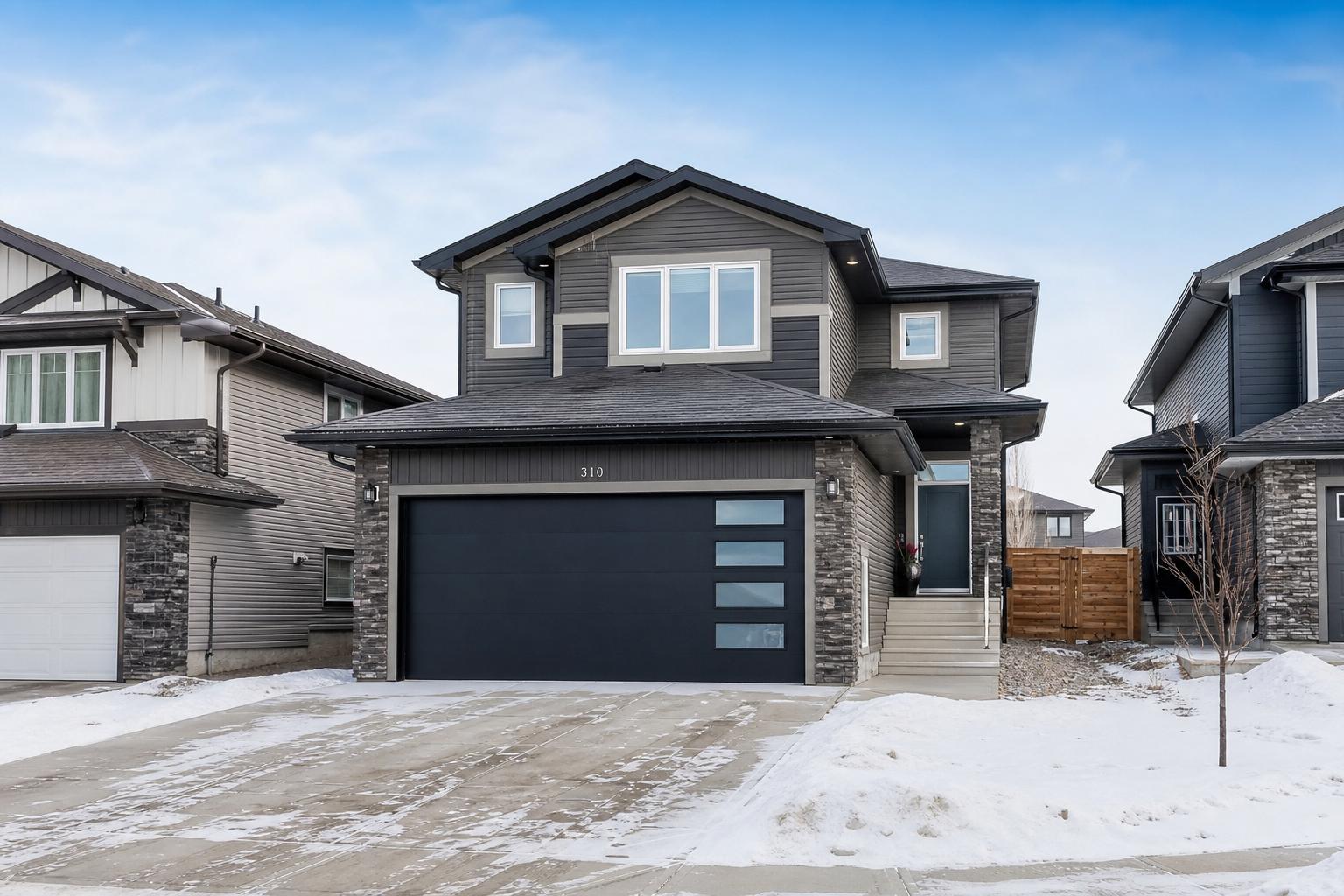
Detached homes run the gamut: craftsman and foursquare character houses in Nutana and Buena Vista; mid-century bungalows in Lawson Heights and Lakeview; 1990s–2000s two-storeys in Willowgrove and Briarwood; and brand-new, energy‑efficient builds in Aspen Ridge, Rosewood, Kensington, and Brighton. If you want yard space and privacy, this is where you’ll look first. Older homes are walkable to cafés and the river; newer builds trade some walkability for modern layouts, bigger garages, and lower maintenance.
Semi-Detached and Townhouses
Great for entry-level budgets or low-maintenance living with a front door of your own. Expect smaller yards, attached or detached garages, and, for many townhomes, condo fees that cover exterior maintenance and snow removal—nice when the January drifts pile up. You’ll find them sprinkled across the city, with clusters in Stonebridge, Evergreen, Rosewood, and Kensington.
Condos and Apartment-Style Living
If you want to stay central with a lower price point and fewer chores, condos in City Park, downtown, the Broadway area, and newer suburban nodes can fit the bill. They’re also popular for students and staff tied to the U of S. Due diligence matters here: review condo financials and the reserve fund health so a quiet fee today doesn’t turn into a special assessment tomorrow.
Acreages and Bedroom Communities
Prefer elbow room? The RM of Corman Park wraps Saskatoon with acreage options, while Warman and Martensville (just north on Highway 11) are full-service cities with lots of newer homes. You’ll likely drive more and shovel larger areas, but you gain space and, often, newer construction on larger lots. Confirm well and septic details for rural properties, and budget for a vehicle-first lifestyle.
Neighbourhoods, Decoded: Where to Look and Why
“Best neighbourhood” depends on your day-to-day life. Do you crave cafés and a five-minute bike ride to the river, or do you want a triple-car garage and a brand-new elementary school down the block? Here’s a practical, street-level take on popular areas to browse when you’re scanning houses for sale Saskatoon.
Broadway, Nutana, and Varsity View
Think tree-lined streets, character homes, and local everything. Broadway Avenue hums with bakeries, restaurants, and live music spots. Varsity View leans academic—walkable to the University of Saskatchewan and the Royal University Hospital. Expect older houses with charm and quirks: narrower basements, mixed wiring updates, and occasional foundation movement you’ll want an experienced inspector to assess. The upside? Lifestyle and resale appeal hold up well.
City Park and River-Adjacent Pockets
Across the river north of downtown, City Park mixes walkable midrise condos with early 20th-century houses. Meewasin trails are steps away. If you’re keen on a short commute and don’t mind ongoing updates, this area can punch above its weight for value, especially if you spot a solid house that needs cosmetic work instead of structural surgery.
Riversdale, Caswell Hill, and West-Side Revival Areas
These neighbourhoods have seen waves of reinvestment. Look for heritage charm, infill builds, and renovated character homes near emerging restaurants and studios. The delta between beautifully restored and “needs everything” can be wide on the same block, so research micro-locations carefully and budget for due diligence: sewer line checks, radon tests, and inspection of any previous renovation permits.
Stonebridge, Rosewood, Kensington, Brighton, and Aspen Ridge
Newer suburban living with attached garages, modern insulation, and open-concept plans. Stonebridge matured early with big-box shopping and established parks. Rosewood and Kensington have active new construction plus finished phases. Brighton and Aspen Ridge are among the newest, built with energy codes that help with winter comfort. Sidewalks, playgrounds, and newer schools make these popular with families. Expect fewer mature trees but less surprise maintenance behind the walls.
Willowgrove, Evergreen, Briarwood, Lakeview, and Lakeridge
East-side mainstays with stable resale patterns. Homes tend to be 1990s–2010s builds in cul-de-sac and crescent layouts. Garages are common, lots are tidy, and commutes via Circle Drive are straightforward. If you want “move once and stay put” predictability, start here.
Lawson Heights, Silverwood Heights, and the North End
Comfortable family areas near the river and the huge Lawson Civic Centre. Houses often have bigger yards than newer suburbs, with schools and amenities already in place. You’ll see more bungalows and split-levels, often refreshed inside.
Montgomery Place
Former wartime-era lots with a distinct, almost small-town feel inside city limits: wide properties, big trees, and a strong community fabric. Garages, workshops, and RV parking are common. Many homes have been expanded over time—check permit history and workmanship carefully.
Downtown and River Landing
For those who want high-rise views and an elevator instead of a snow shovel. You’ll find contemporary condos close to office towers, the river, and cultural venues. This appeals to professionals and downsizers who value location and simplicity.
Quick Compare: Feel and Fit by Area
| Area | Home Age Profile | Typical Garage | Walkability | Notable Pros | Watch For |
|---|---|---|---|---|---|
| Broadway/Nutana/Varsity View | 1910s–1950s + infill | Detached off back lane | High | Character, river access, cafés | Foundation movement, mixed wiring/plumbing |
| City Park | 1920s–1940s + condos | Detached or street parking | High | Central, hospital/U of S access | Basement height, older services |
| Riversdale/Caswell Hill | 1910s–1930s + renos/infill | Detached | Medium | Heritage charm, arts scene | Block-to-block variability; verify permits |
| Stonebridge/Rosewood/Kensington | 2010s–present | Attached 2-car common | Low–Medium | Modern systems, newer schools | Fewer mature trees; construction nearby |
| Willowgrove/Evergreen/Briarwood | 2000s–2010s | Attached | Medium | Family-friendly, stable resale | Cosmetic updates over time |
| Lawson Heights/Silverwood | 1970s–1990s | Attached or detached | Medium | River proximity, bigger yards | Window/furnace age; sewer lines in older pockets |
| Montgomery Place | 1940s–1960s + additions | Large detached/workshops | Low–Medium | Huge lots, community vibe | Unpermitted additions; septic remnants on rare edges |
Saskatoon-Specific House Know‑How: What to Inspect and Why It Matters
Saskatchewan’s climate and soil create a unique to‑do list for buyers. If you only remember one section, make it this one.
Basements, Clay Soil, and Drainage
Many Saskatoon neighbourhoods sit on expansive clay. It swells when wet and shrinks when dry, which can shift foundations over time. Hairline cracks happen; widening, step cracks, or heaving floors need a closer look. Proper grading away from the house, functioning eavestroughs and downspouts, and working weeping tile/sump systems are not nice‑to‑haves here—they’re frontline defence.
Actionable tip: walk the perimeter after a rain. Downspouts should discharge well away from the foundation. Inside, look for a sump pit and pump in newer or renovated homes; ask when the pump was last replaced. If you’re serious about a house, hire an inspector who has deep prairie experience and don’t skip the foundation section of the report.
Sewer Lines and Mature Trees
Clay or cast-iron sewer laterals in older homes can crack or be invaded by roots (Saskatoon’s gorgeous elms don’t respect pipes). Many owners have upgraded to PVC; some haven’t. A sewer scope is inexpensive compared to a dig-and-replace later. If listings tout “new main line” or “backflow valve installed,” that’s a good sign—still verify with invoices or permits.
Radon and Indoor Air
Large parts of Saskatchewan are considered higher risk for radon. The fix is usually straightforward: a mitigation fan and piping to depressurize below the slab. Test during the heating season for best accuracy. If a seller has a long-term radon test result below Health Canada’s guideline, keep it. If not, negotiate a holdback or credit to mitigate after closing if results come back high.
Wiring, Plumbing, and Insulation Quirks by Era
- Pre‑1950: Possible knob‑and‑tube wiring (insurance implications). Look for updated panels and circuits, and get a qualified electrician’s opinion.
- 1960s–1970s: Aluminum branch wiring sometimes appears; safe if properly terminated and maintained, but insurers may ask for an electrical inspection.
- 1980s: Polybutylene supply pipes (Poly‑B) show up in places; plan for eventual replacement.
- Pre‑1990: Vermiculite attic insulation can contain asbestos. Test before disturbing. Asbestos may also appear in old floor tiles, duct wrap, and textured ceilings.
- Windows: Triple-pane is common in newer builds and worth it for comfort. Older double-pane units with failed seals show fogging—budget to replace.
Preserved Wood Foundations (PWF)
PWFs are more common on the Prairies than elsewhere in Canada. Properly designed and maintained PWFs can perform well, but lenders and insurers sometimes ask for an engineer’s letter. If a listing notes “PWF,” confirm documentation, drainage, and any previous repairs, and talk to your lender early.
Energy Efficiency and Winter Comfort
A tight, well‑insulated envelope, a high‑efficiency furnace, and a good HRV (heat recovery ventilator) matter more at −30°C. Newer Saskatoon homes generally follow modern energy codes; older houses can be upgraded, but prioritize air sealing, attic insulation, and right‑sized HVAC. Canada’s Greener Homes Grant program closed to new applicants in 2024, but the interest‑free Greener Homes Loan remains available at the time of writing—check current federal program status before you plan retrofits.
How to Read a Saskatoon MLS Listing Like a Pro
Listings cram useful clues into a small space. If you learn to decode them, you’ll save time and avoid wild goose chases.
- Lot size: Older core areas often use feet (e.g., 50×125 ft). Newer subdivisions will list metric dimensions and total square metres. A 50‑foot frontage is generous in the core.
- Garage/parking: “Lane access” usually means a detached garage off the back alley. Attached garages dominate newer areas. Verify electrical service if you want EV charging.
- Basement: “Full height,” “non‑regulation suite,” “separate entrance,” and “legal suite” each signal different compliance levels. A legal suite meets City requirements and is valuable for financing and insurance.
- Year built vs. effective age: A 1928 house with “effective age 2005” likely had a major reno. Always confirm what was done, by whom, and with what permits.
- Inclusions: In Saskatchewan transactions, appliances and window coverings are commonly included. If you need something (garage heater, shed), write it into the offer.
- Possession: Quick possession often signals a vacant property or seller already moved; tight timelines can affect your mortgage and inspection scheduling.
The Buying Process in Saskatchewan, Step by Step
The roadmap is familiar to Canadian buyers, but a few Saskatchewan specifics matter. Here’s the usual flow from browsing houses for sale Saskatoon to getting keys.
1) Get Pre‑Approved and Stress‑Tested
A strong pre‑approval sets your budget and makes your offer credible. In Canada, lenders qualify you using the mortgage stress test—the higher of your contract rate plus 2% or the federal minimum qualifying rate. It reduces the risk of overextending when rates rise. Gather income verification, down payment proof, and consent for a credit pull before you start touring in earnest.
2) Hire a Local REALTOR and Lock in Representation
Agency rules and forms in Saskatchewan are standardized through the Saskatchewan REALTORS Association (SRA). Sign a buyer representation agreement so your agent can advocate fully for you and clarify compensation. A local pro knows micro‑markets and city processes—use that knowledge to avoid pitfalls.
3) Tour, Shortlist, and Inspect
See a range of homes early to calibrate your expectations. When a place looks serious, move fast to book a professional inspection, and consider add‑ons that matter here: sewer scope, radon test (or escrow), and, for older homes, targeted electrical and HVAC checks. If the house has a PWF, ask your agent and lender whether an engineer’s opinion is needed.
4) Make an Offer Using Saskatchewan Forms
Your Offer to Purchase will set price, deposit, inclusions, conditions, and timelines. Common conditions include financing, home inspection, review of condo documents (for strata), and sale of buyer’s property (less common in competitive segments). Deposits typically land in the listing brokerage’s trust account and are credited back to you on closing.
5) Clear Conditions, Then Lawyer Up
Once conditions are satisfied and removed in writing, the deal is “firm.” In Saskatchewan, real estate lawyers handle closing. They review title via the provincial Land Titles system (Information Services Corporation, or ISC), order title insurance if needed, check for encumbrances or easements, calculate adjustments, and manage the transfer of funds.
6) Insurance, Utilities, and Possession
Line up home insurance to start on possession. In prairie cities, overland flood and sewer backup coverage are worth discussing with your broker. Set up SaskPower and SaskEnergy accounts, plus City water/wastewater. On possession day, your lawyer releases funds and you get keys—usually by afternoon.
Money Talk: Mortgages, Down Payments, and Closing Costs in Saskatchewan
Let’s map the dollars so there are no surprises when you zero in on houses for sale Saskatoon.
Down Payment and Mortgage Insurance
- Minimum down payment in Canada: 5% on the first $500,000 of purchase price; 10% on the portion from $500,000 to $999,999; 20% at $1,000,000 and up (no insured mortgages above $1M).
- If your down payment is under 20%, you’ll pay mortgage default insurance (CMHC, Sagen, or Canada Guaranty). It can be added to your mortgage principal.
- The stress test applies whether you insure or not, with limited exceptions.
Helpful Accounts and Credits for Canadians
- First Home Savings Account (FHSA): Contribute up to $8,000 per year, lifetime $40,000, tax-deductible contributions, and tax-free withdrawals for a qualifying first home.
- RRSP Home Buyers’ Plan (HBP): As of 2024, Canadians can withdraw up to $60,000 from RRSPs for a first home, tax‑free if repaid on schedule. Verify current CRA limits and deadlines—rules can change.
- Home Buyers’ Tax Credit (HBTC): A federal non‑refundable credit for first-time buyers worth up to $1,500 (based on a $10,000 amount). Check if Saskatchewan offers additional provincial credits or programs at purchase time.
Closing Costs You’ll Actually Pay in Saskatchewan
Saskatchewan stands out here: you don’t pay a provincial land transfer tax. Instead, you pay Land Titles registration fees and normal legal/closing costs.
- Legal fees: Expect roughly $1,200–$2,000 for a purchase, depending on complexity and disbursements.
- Land Titles/registration: Saskatchewan doesn’t levy an LTT; instead, ISC collects title transfer and mortgage registration fees calculated as small percentages of value. Ask your lawyer for current ISC fee schedules or use their estimator.
- Title insurance: Often $200–$400 for a typical home, depending on the provider and coverage.
- Inspection(s): Home inspection $400–$700; sewer scope $150–$300; radon testing $50–$250 (long-term device) or negotiated credit/holdback.
- Appraisal: $300–$500 if your lender requires it.
- Adjustments: Property taxes and utilities prorated to closing.
- GST/PST: Resale homes aren’t subject to GST. New-construction homes are typically subject to 5% GST (with possible federal new housing rebates if you qualify). Saskatchewan PST is generally embedded in construction materials and builder pricing rather than charged as a separate tax line to buyers on standard home purchases—ask the builder how taxes are handled on your specific contract.
Sample Budget Snapshot (Illustrative Only)
| Item | Estimate | Notes |
|---|---|---|
| Purchase price | $450,000 | Example detached in a family area |
| Down payment (10%) | $45,000 | HBP/FHSA can help here |
| Legal + disbursements | $1,600 | Varies by firm |
| Land Titles fees | $Varies | Ask lawyer; Saskatchewan uses registration fees, not LTT |
| Title insurance | $300 | Lender and owner policies often bundled |
| Inspection + sewer scope | $800 | Home ($600) + sewer ($200) |
| Appraisal | $400 | If required by lender |
| GST | $0 / $22,500 | $0 on resale; approx. $22,500 on a $450k new build before rebates |
Always ask your lawyer for a personalized statement of adjustments before closing—Saskatchewan files and fee schedules are straightforward, but accuracy matters.
New Construction in Saskatoon: What to Know Before You Sign
Curious about that sparkling show home? New builds are everywhere on the city’s edges, and the process differs from resale purchases.
- Builder warranty is mandatory: The New Home Warranty Act, 2014 requires most new homes to have third‑party warranty coverage from registered builders in Saskatchewan. Expect minimums like 1‑year materials/labour, 2‑year systems, 5‑year envelope, and 10‑year structural. Verify the specific provider and coverage in writing.
- GST treatment: New homes are generally subject to 5% GST, with potential federal new housing rebates based on price and occupancy. Your lawyer or accountant can confirm your eligibility.
- Contracts and timelines: Builder purchase agreements are not standard REALTOR forms. Get a Saskatchewan real estate lawyer to review before you sign, including holdbacks, change orders, and what “substantially complete” means for possession.
- Progress draws: If you’re building custom, your lender may advance funds in stages. Keep your budget liquid for interim interest and rent overlap.
- Seasonal holdbacks: Landscaping, driveways, and grading often wait for spring. Make sure unfinished items are spelled out with deadlines and holdbacks.
Condo and Townhome Due Diligence in Saskatchewan
Strata living trades yard work for bylaws and budgets. Look past staging to the numbers.
- Reserve fund health: Review the most recent reserve fund study/report and financial statements. Ensure contributions align with long‑term needs (roofs, siding, parkades).
- Bylaws and rules: Pets, rentals, barbecue restrictions, and noise bylaws vary. If you’re an investor, confirm rental policies and any caps.
- Insurance: Understand what the corporation insures and what your unit policy must cover (betterments, deductibles, liability). Ask about sewer backup and overland water deductibles.
- Special assessments: Scan meeting minutes for signs of impending big-ticket projects.
- Parking and storage: Verify the legal description of stalls/lockers and whether they’re titled, assigned, or exclusive-use.
Investing and Rental Suites: Making the Numbers Work
Saskatoon’s rental market is influenced by the university cycle and steady in‑migration. Secondary suites can offset mortgage costs, but compliance is essential.
- Legal vs. “non‑conforming” suites: A legal suite meets City zoning and building code requirements: ceiling height, egress windows, fire separation, dedicated heating/ventilation arrangements (or compliant shared systems), and proper permits. Ask for proof.
- Financing edge: Lenders often count a portion of legal suite income toward your mortgage qualification. Non‑compliant suites may not be recognized.
- Short-term rentals: Saskatoon regulates short-term rentals and typically requires a business licence. Entire-home STRs may face zoning limitations. Confirm current City bylaws before banking on Airbnb revenue.
- Operating costs: Snow removal, furnace filters, and sewer backup riders add up. Build a realistic annual budget beyond the mortgage and taxes.
Property Taxes and Municipal Nuts and Bolts
Property taxes in Saskatoon combine municipal, library, and provincial education portions. Rates vary by assessment class and annual budgets. Instead of guessing, use the City of Saskatoon’s Property Tax Estimator to model the home you’re eyeing. When you set up your tax account, you’ll also designate your school tax support (public or separate/Catholic) if applicable.
Two practical notes: if you buy mid‑year, your lawyer will prorate taxes between you and the seller. And if you plan major renovations, talk to the City about permits—your future assessed value, and therefore taxes, can change when the property is reassessed.
Flood, Fire, and Prairie Weather: Insurance Realities
Snow load, wind, hail, and rapid spring thaws are part of life here. Most standard policies cover wind and hail, but overland flood and sewer backup are optional endorsements—ask your broker. Overland flood maps near the river are worth reviewing if a listing sits low in the flood fringe. Backwater valves and sump systems earn discounts with some insurers; keep receipts and photos of installations.
Getting Your Offer Accepted: Strategy for Saskatoon Conditions
Every market has its tells. Here’s how to play them without taking silly risks.
- Balance speed with verification: Good listings in prime pockets can move fast. Book the earliest inspection slot you can, write a clean offer with realistic timelines, and avoid “we’ll check later” on items that can cost five figures.
- Price precision: In balanced segments, sellers respect data. Have your agent pull micro‑comp sets and adjust for renovations that actually add value (foundation work, windows, HVAC) versus lipstick.
- Deposits signal intent: A solid deposit, delivered promptly to brokerage trust, strengthens your position—especially if you’re not the highest price.
- Flexible possession wins: If the seller needs a rent‑back or a specific date, accommodating them can beat a marginally higher competing offer.
How to Search Smarter: Finding the Right Houses for Sale Saskatoon Online
Endless scrolling wastes weekends. Here’s how to sharpen your search.
- Use polygon maps: Draw your true area of interest around schools, work, and the river rather than relying on postal codes.
- Set non‑negotiables: Lot size minimum, garage type, basement ceiling height (for future suites), and distance to bus routes if you rely on Saskatoon Transit.
- Street View for lanes: Flip to satellite and street view to check lane conditions, power lines, and proximity to commercial uses you might not love.
- Permit history: Ask your agent to pull City permit records for major renovations. Unpermitted work isn’t always bad, but it raises the bar for verification.
- Seasonal thinking: Winter photos hide grading and driveway cracks; summer hides ice dams and drafts. Ask for off‑season photos or plan a second visit.
One Productive Day: A Sample House‑Hunting Itinerary
Morning: Start with coffee on Broadway and tour two character homes in Nutana/Varsity View. You’ll calibrate what “updated” means in older stock. Mid‑morning: hop to City Park for a central option near the river. Lunch downtown.
Afternoon: Compare with a 2010s two‑storey in Willowgrove or Evergreen. Note the difference in insulation, layout, and garages. Late afternoon: hit Brighton or Aspen Ridge to see the newest builds. Finish with a drive through Montgomery Place to experience those mega lots. You’ll end the day knowing which trade‑offs feel right.
Common Mistakes Buyers Make in Saskatoon (and Easy Fixes)
- Skipping the sewer scope: It’s cheap insurance on older homes. Don’t roll the dice on a buried line.
- Underestimating radon: Test or negotiate a mitigation credit. It’s a straightforward fix.
- Ignoring lane access realities: In winter, a narrow, rutted back lane can turn daily parking into an adventure. Check it in person.
- Falling for “finished basement” without headroom: If you’re tall or plan a suite, measure the ceiling height and window egress, not just the paint colour.
- Assuming all suites are legal: Ask for permits and final inspection reports. Lenders and insurers care.
- Delaying the lawyer review on new builds: Builder contracts are not standard. Get them reviewed before you sign, not after.
Moving Logistics: Prairie Practicalities
Winter is part of the DNA here. If you take possession between November and March, confirm that exterior work will be finished in spring and put it in writing. Book movers early, protect floors from salt and grit, and check that your insurance covers move‑in day. On vehicles, SGI handles driver licensing and insurance—plan time for that if you’re moving from another province. For health coverage, review eHealth Saskatchewan’s rules on residency and any waiting periods when transferring from another province so you aren’t caught without coverage.
Your Final Pre‑Offer Checklist
- Financing: Pre‑approval in hand; stress‑tested at required rate.
- Location: Commute time verified at rush hour; proximity to school/childcare confirmed.
- Structure: Foundation cracks evaluated; sewer scope scheduled or completed.
- Air and water: Radon plan set; check for past water intrusion or musty smells.
- Systems: Furnace, A/C, and water heater ages documented; electrical panel capacity noted.
- Docs: Permit history reviewed; Property Condition Disclosure Statement (PCDS) obtained or risk priced in.
- Insurance: Quotes for overland flood and sewer backup gotchas.
- Costs: Lawyer’s estimate of adjustments and ISC fees requested.
- Condo only: Reserve fund, minutes, insurance, bylaws reviewed—no big red flags.
Frequently Asked Questions About Houses for Sale Saskatoon
Are Saskatoon homes cheaper than other Canadian cities?
Relative to Toronto, Vancouver, and many parts of Ontario/BC, yes—Saskatoon typically offers larger lots and more house for the dollar. You’ll still see premium pricing in river‑adjacent heritage areas and brand‑new executive builds, but the median budget stretches further here than in most big Canadian markets.
Do I pay land transfer tax in Saskatchewan?
No provincial land transfer tax. Instead, Saskatchewan uses Land Titles registration fees through ISC for the title transfer and mortgage registration. They’re modest compared to land transfer taxes in many other provinces. Your lawyer will calculate the exact amounts.
What inspections are most important for older Saskatoon houses?
In addition to a full home inspection, prioritize a sewer line scope, foundation assessment, and, in winter climates, checks for attic insulation and ventilation. Consider radon testing and targeted electrical/HVAC evaluations in pre‑1970s homes.
Are preserved wood foundations (PWF) a dealbreaker?
Not automatically. A properly designed and maintained PWF can perform well. Some lenders and insurers ask for an engineer’s letter. Verify documentation, drainage, and any previous repairs before you decide.
How cold is “cold,” and what should I look for to stay comfortable?
It can hit −30°C in winter. Look for triple‑pane windows, a high‑efficiency furnace, good air sealing, and an HRV. Detached garages with heaters are a perk. Ask for winter utility bills to gauge operating costs.
Are suites legal everywhere in Saskatoon?
Not everywhere. Zoning and building codes set the rules. A “legal suite” meets City standards for egress, fire separation, ventilation, ceiling height, and permits. If income matters to your plan, stick to properly permitted suites.
What about taxes on new homes?
New homes generally include 5% GST, with possible federal rebates if you qualify. Builders in Saskatchewan typically incorporate PST on materials into their pricing; ask the builder to itemize and explain tax treatment in your contract.
How long does closing take?
Commonly 30–60 days from a firm deal to possession, but it can be faster on vacant homes or longer for custom builds. Align your financing and inspection timelines with your offer conditions to avoid last‑minute scrambles.
Is flood risk a real concern near the river?
It depends on the specific property. Parts of the flood fringe along the river have elevated risk. Check City flood maps, ask your insurer about overland water coverage, and confirm the home’s grading, sump, and backwater valve.
What’s the best way to start if I’m brand new to Saskatoon?
Spend a weekend driving and walking target neighbourhoods: Broadway/Nutana for character, City Park for central balance, Willowgrove/Evergreen and Briarwood for family suburbs, and Rosewood/Brighton/Aspen Ridge for new builds. Then set non‑negotiables and get pre‑approved so you’re ready when the right listing appears.
Bottom Line
Saskatoon rewards buyers who do the simple things right: verify the bones, understand the bylaws, and match the neighbourhood to your daily life. With clear eyes and a bit of homework, the search for houses for sale Saskatoon becomes less about luck and more about lining up the right facts. When you’re ready, partner with a local REALTOR and a Saskatchewan real estate lawyer, and go see homes in person—your shortlist will get sharp, fast.